


Quick answer: Rapid prototyping services are important because they help product teams turn CAD data and early ideas into testable parts quickly. By using 3D printing, CNC machining, sheet metal fabrication, vacuum casting and rapid tooling at the right stage, teams can find design problems earlier, reduce development cost and move toward production with more confidence.
Imagine spending six months and a small fortune building a product, only to discover a design flaw on the first day of user testing. That is exactly the kind of risk smart teams avoid by leaning on rapid prototyping services early in the process. For engineers, product designers, startups and sourcing teams, prototypes create a practical bridge between concept sketches, digital models and manufacturable parts.
What Rapid Prototyping Really Means
Rapid prototyping is the process of quickly creating a physical model of a product idea so the design can be reviewed, tested and improved. It may involve SLA, SLS, MJF or metal 3D printing, CNC prototype machining, sheet metal prototype fabrication, vacuum casting or early-stage tooling.
For UIDEA customers, rapid prototyping is rarely just about making one sample. It is a way to check geometry, assembly, material behavior, surface finish, tolerance and user experience before investing in expensive molds or larger low-volume manufacturing runs.
Why Speed Changes Everything in Product Development
Traditional development cycles often stretch for months before anyone sees a tangible result, and that delay quietly kills momentum. A prototype makes the design conversation specific.
- Faster feedback loops: Teams can test a physical model within days instead of months, so design flaws surface early when they are still affordable to fix.
- Shorter time to market: Compressing the design-test-refine cycle helps products reach customers faster, especially in competitive hardware and industrial markets.
- Better engineering decisions: A real part makes it easier to discuss fit, strength, finish, assembly and manufacturability with a manufacturing partner.
Cutting Costs Before They Spiral
Every mistake found late in development costs more than one caught early. Rapid prototyping exists to stop that spiral before it reaches tooling, inventory or mass production.
- Early error detection: A structural, dimensional or functional problem in a prototype costs a fraction of discovering the same issue after production tooling has begun.
- Smarter resource allocation: Teams avoid pouring money into a design that has not been physically validated and stress-tested.
- Lower tooling risk: Prototype testing can show whether a part should move to rapid tooling and rapid injection molding, vacuum casting or another process.
Turning Abstract Ideas Into Testable Reality
A sketch or CAD rendering can hide practical problems that only appear when the object exists in physical form. Real prototypes reveal details that drawings alone cannot fully predict.
- Tangible user testing: Real users and stakeholders can handle a prototype, check fit and provide feedback that is more useful than comments on a static drawing.
- Design validation before investment: Buyers, managers and investors often respond more confidently to something they can hold, rotate and evaluate.
- Assembly checks: Prototype parts help teams see whether brackets, housings, covers, threaded features and mating components work together as intended.
Encouraging Bolder and More Practical Engineering
When failure is fast and affordable, teams can explore better designs. They can test unconventional shapes, lighter structures or new mechanisms without betting the whole project on the first version.
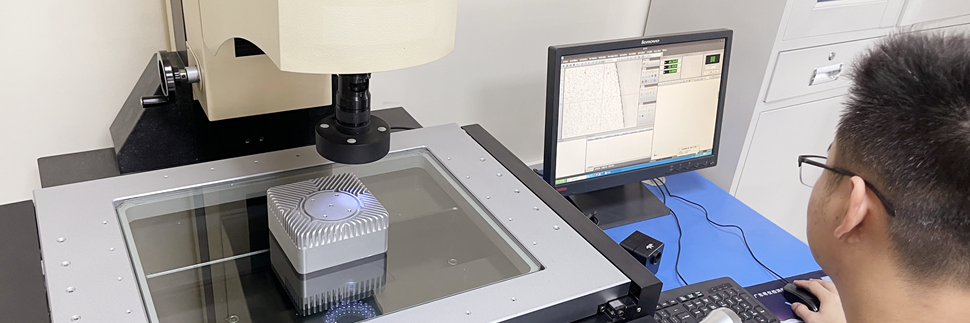
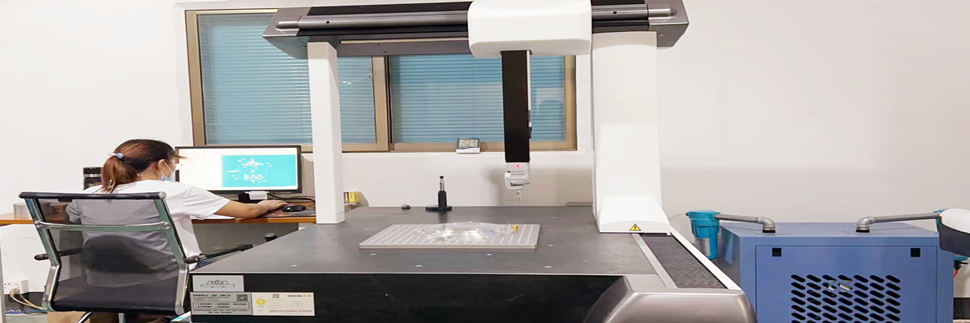
This is especially useful when rapid prototyping is combined with quality control. Inspection reports, tolerance checks and material reviews turn each iteration into clear evidence instead of guesswork.
Choosing the Right Rapid Prototyping Approach
Not every prototype needs the same level of detail. The best route depends on what the team needs to learn from the part.
- 3D printing: Best for complex geometry, fast concept models, lightweight structures and early design iteration.
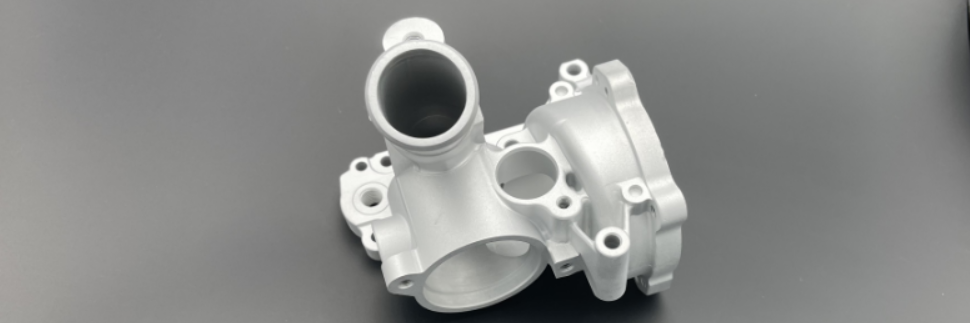
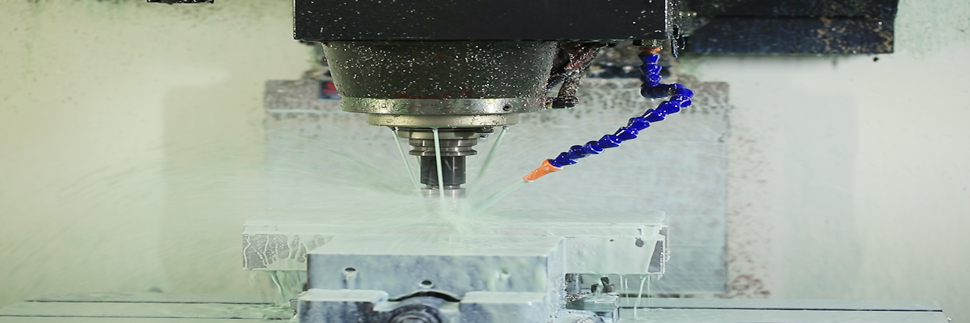
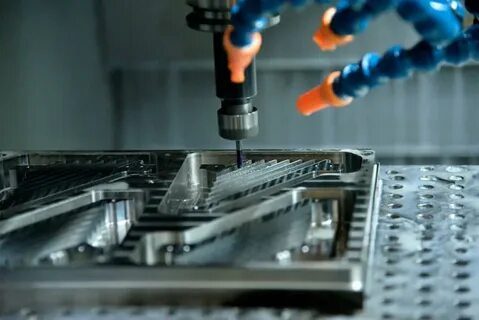
- CNC machining: Best for functional prototypes in production-like metals or engineering plastics where tolerance and material performance matter.
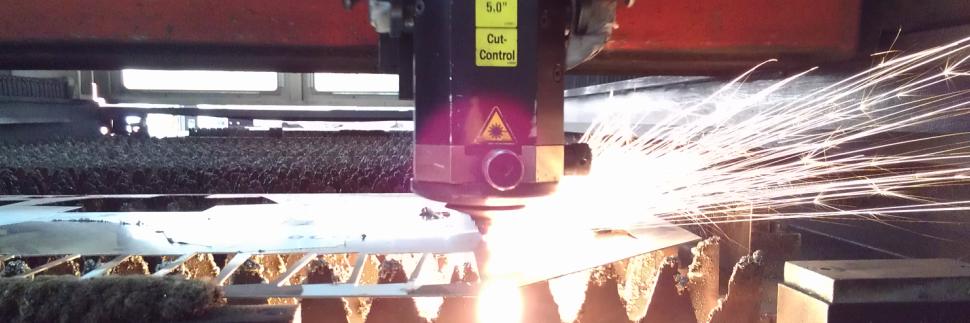
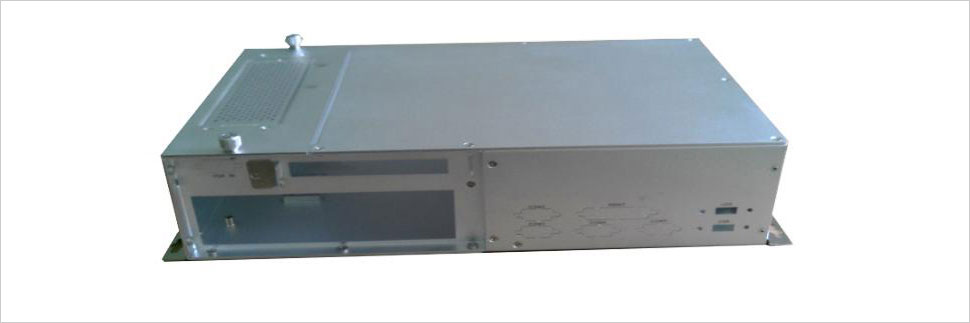
- Sheet metal fabrication: Best for enclosures, brackets, panels, cabinets and formed metal parts.
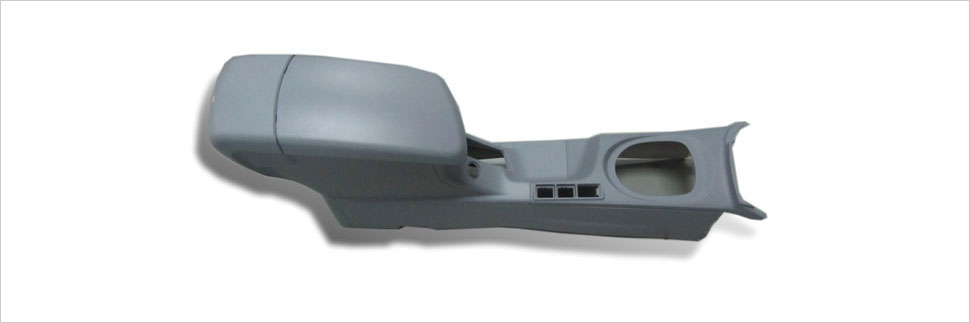
- Vacuum casting: Best for small batches of plastic parts, appearance models, clear parts and rubber-like parts before injection tooling.
- Rapid tooling: Best when the project needs real injection molded parts for bridge production or market validation.
Bridging Designers and Manufacturers
Prototypes act as a shared language between the people who imagine a product and the people who eventually build it at scale. A physical model reduces guesswork and helps manufacturers understand tolerances, assembly steps, material behavior and finishing requirements.
For more context, see UIDEA's guide on why prototype development supports product innovation and the article on why startups depend on rapid prototyping for faster innovation.
The Bottom Line
Modern product development moves too fast for guesswork and expensive trial-and-error. Rapid prototyping services give teams the speed, cost control, validation and manufacturing communication they need to build products that actually work. Whether a project needs prototype China support, CNC prototype machining, 3D printing, vacuum casting or low-volume manufacturing, testing early and refining constantly is usually the smarter path.
Related guide: China Rapid Prototyping: How to Turn a Product Idea Into a Physical Prototype
FAQs
How quickly can a working prototype typically be produced?
Depending on complexity, simple prototypes can be ready within days, while more advanced functional models may take a few weeks to complete properly. UIDEA can review CAD files, material and tolerance requirements before confirming lead time.
Do startups benefit from rapid prototyping services?
Yes. Startups often benefit strongly because early prototypes help catch design flaws before funding is spent on tooling, inventory or full production.
Which manufacturing methods are used for rapid prototyping?
Common options include 3D printing, CNC machining, sheet metal fabrication, vacuum casting and rapid tooling. The right choice depends on geometry, material, tolerance, finish and quantity.
What is the biggest mistake teams make when prototyping?
A common mistake is treating the first prototype as final. The real value comes from testing, feedback and several practical design iterations before production.
How do prototype materials affect testing accuracy?
Materials close to the final product usually provide more realistic information about strength, weight, appearance and assembly. Mismatched materials can lead to misleading test results.
To discuss a rapid prototyping project, send CAD files, drawings, material, quantity and finish requirements through the UIDEA contact page.
Related UIDEA services: For manufacturing support, review CNC machining China, sheet metal fabrication China, 3D printing China and vacuum casting China.