



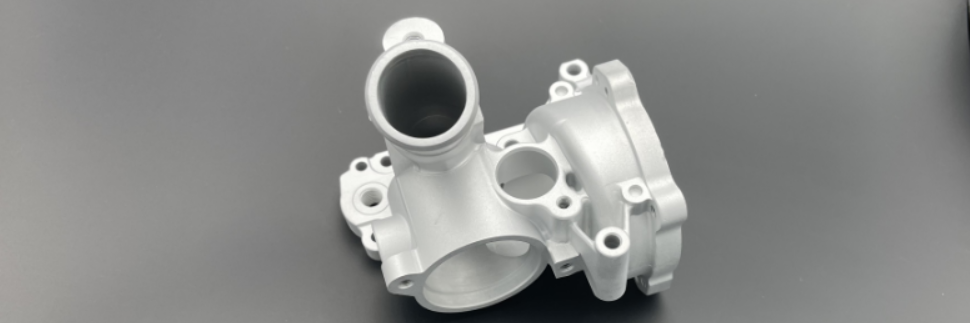
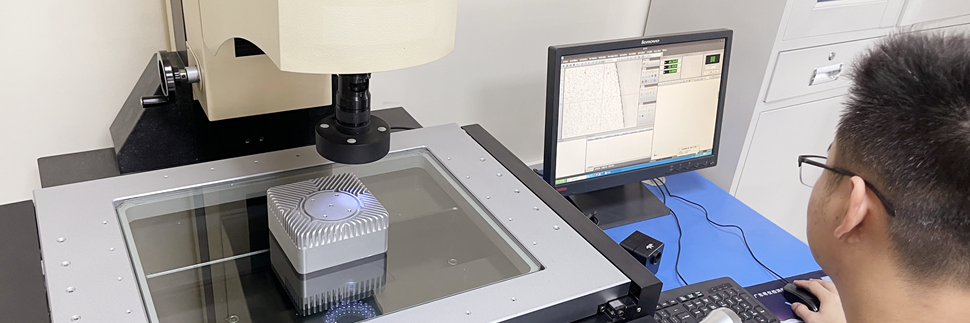
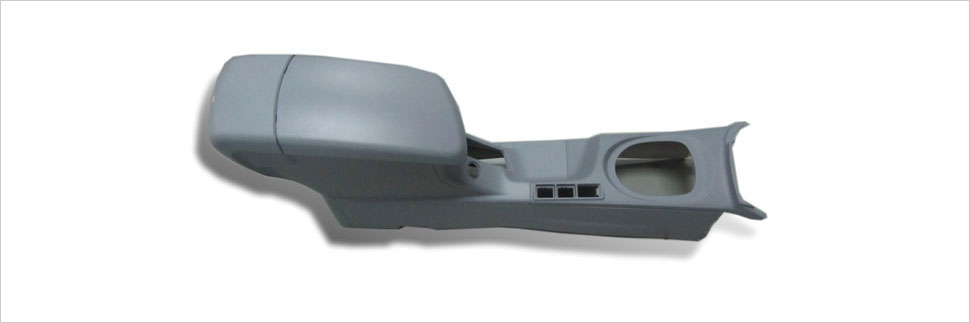
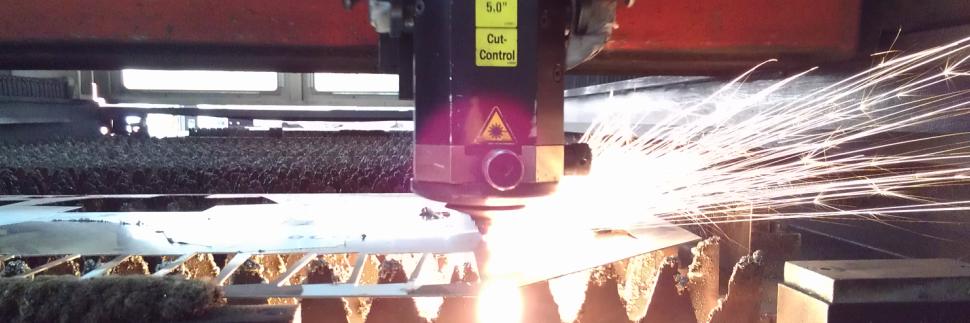
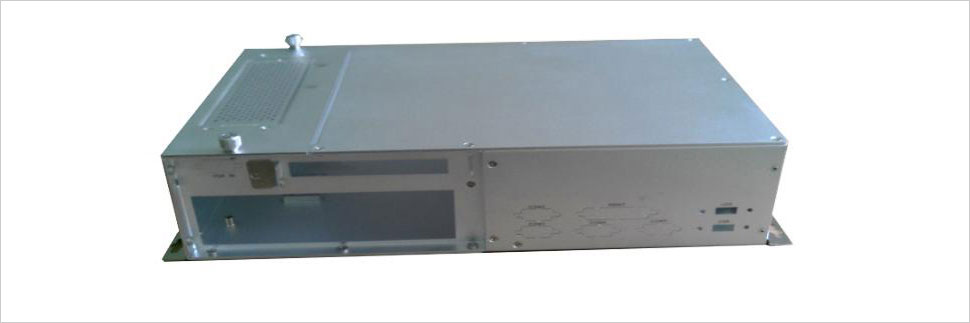
A product may look perfect on a computer screen, but its real challenges often appear when it becomes a physical object. A button might be difficult to press, a component may not fit properly, or the chosen material might feel different than expected. This is why rapid prototyping services play an important role in product development, helping businesses evaluate designs before moving toward production.
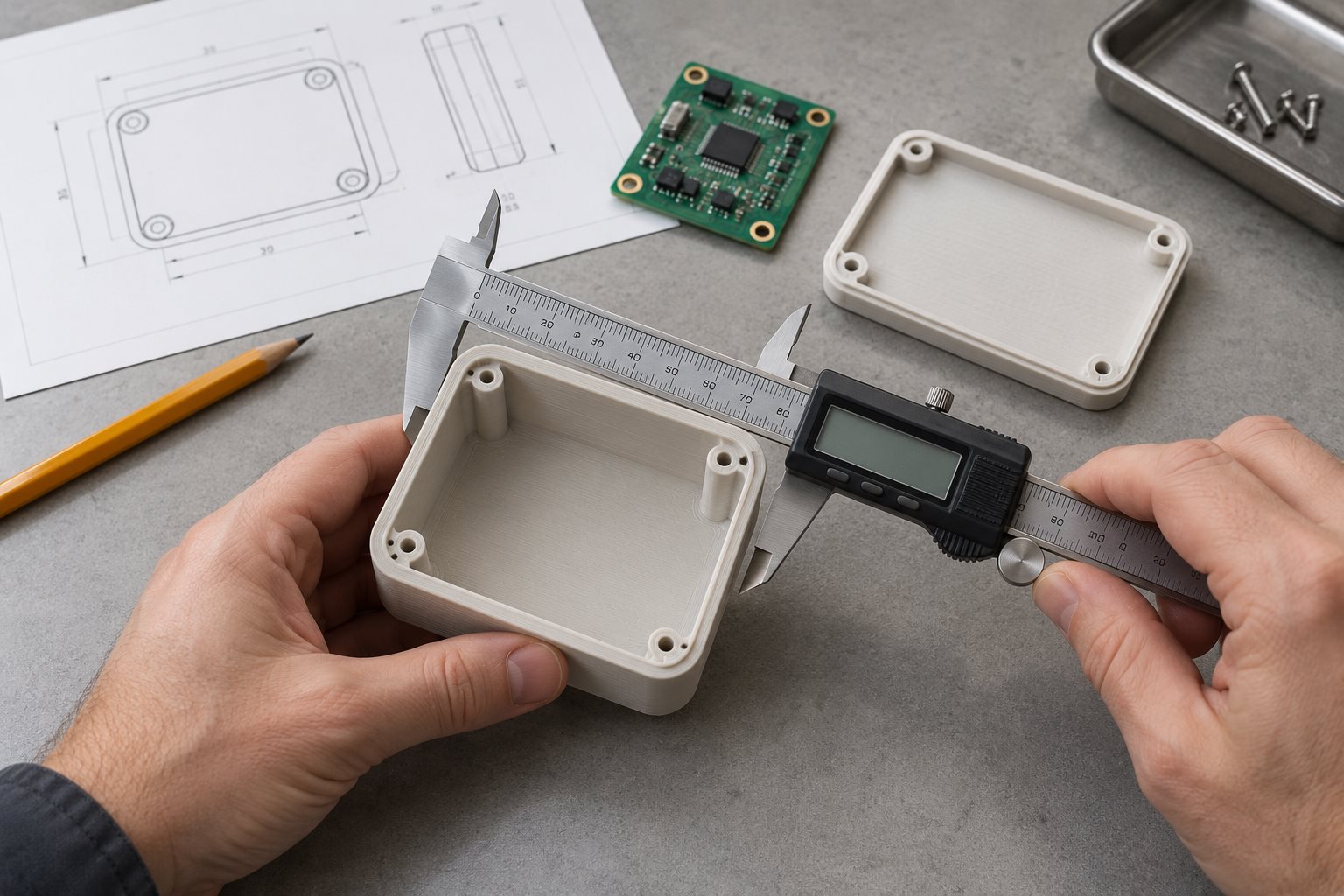
AI-generated illustration: checking the fit and dimensions of a first physical prototype.
The first physical prototype is an early model or working part built to answer a specific design question. It turns assumptions into something designers and engineers can examine, test and improve before committing to manufacturing.
What Makes the First Physical Prototype So Important?
Digital models communicate dimensions and appearance, but they cannot always reveal how a product performs in real-world conditions. Holding and testing a physical model helps teams identify problems that may be difficult to recognize on a screen.
Discover Design Problems Earlier
A prototype allows teams to check dimensions, component alignment, assembly requirements, and usability. For example, an enclosure may appear correctly sized in a CAD model but leave insufficient room for internal components. Identifying this issue early helps avoid unnecessary redesign work later.
Evaluate Form, Fit, and Function
The first physical version helps answer three important questions:
- Form: Does the product look and feel as intended?
- Fit: Do its components align and assemble correctly?
- Function: Can it perform its intended task?
Not every prototype needs to demonstrate all three. An appearance model may focus on shape and ergonomics, while a functional prototype may help evaluate movement, assembly, or mechanical performance.
How Rapid Prototyping Services Improve Product Development
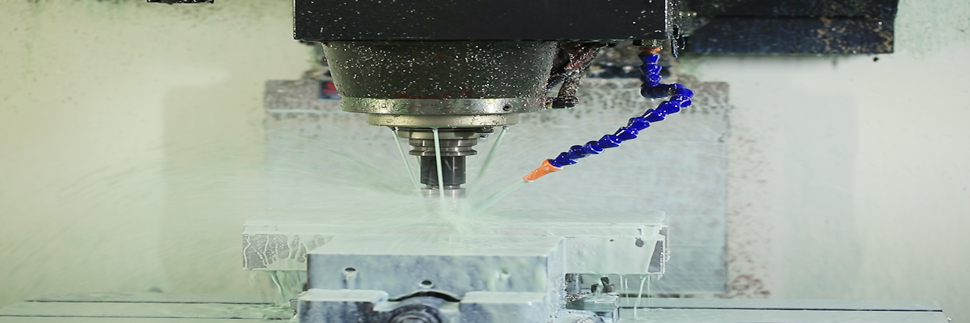
Rapid prototyping services transform digital designs into physical parts for evaluation and refinement. Depending on the design requirements, suitable methods may include 3D printing, CNC machining and other prototyping processes. For an enclosure or bracket made from bent metal, sheet metal prototyping can help assess assembly and clearances.
These services support an iterative approach to development. Instead of treating the first design as final, teams can test a version, review its limitations, and make targeted improvements.
Make Design Decisions With Greater Confidence
Physical testing provides useful feedback that drawings alone cannot offer. Engineers can examine clearances, assess handling, and identify areas requiring modification.
Prepare for More Informed Manufacturing Decisions
Prototyping can also reveal practical manufacturing considerations, including material suitability, part geometry, and assembly complexity. Addressing these issues before production helps teams develop a more complete understanding of their design.
What Should You Check Before Approving a Prototype?
Before moving forward, evaluate the prototype against clearly defined requirements.
- Dimensions: Confirm critical measurements and tolerances.
- Material: Check whether the material suits the intended evaluation.
- Assembly: Inspect connections, clearances, and component alignment.
- Usability: Test how comfortably and intuitively the product can be handled.
- Performance: Evaluate relevant functions under appropriate test conditions.
A prototype should be judged against its intended purpose. A model designed to assess appearance should not automatically be treated as proof of production-level durability or performance.
For example, an electronics enclosure review might check whether the intended circuit board, connectors and fasteners fit, whether a tool can reach the screws, and whether the housing can be opened again without damage. This is an illustrative test plan, not a customer case study. Select checks that match your own design and document the acceptance criteria before testing.
Is Rapid Prototyping in China a Practical Option?
Businesses considering rapid prototyping in China may explore suppliers for physical prototypes and manufacturing-related support. The right choice depends on project complexity, technical requirements, communication and quality-control processes.
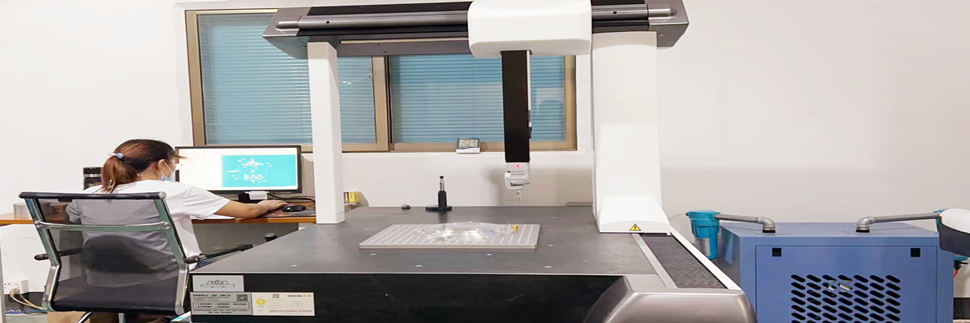
Before selecting a supplier, share accurate CAD files, material specifications, critical tolerances and testing requirements. Ask how dimensions will be verified, how design revisions will be handled, and whether the proposed process suits the part's intended use. Review the quality control process and agree on the inspection information needed for your project.
Clear expectations make prototype evaluation more useful and help reduce misunderstandings during development.
Use the First Prototype to Plan the Next Design Stage
The first physical version of a product is an opportunity to challenge assumptions and identify design limitations. Record each finding against a drawing revision and decide which features can be retained, which require changes and which need further testing. A prototype that reveals a problem can still be a useful development result; approval should depend on the agreed test objectives, not appearance alone.
Frequently Asked Questions
When should a business create its first physical prototype?
A business should consider building a prototype once the initial design is developed enough to evaluate a specific question, such as product dimensions, component fit, ergonomics, or functionality. Creating one before finalizing every detail allows teams to identify problems while design changes remain practical.
How many prototype iterations are usually necessary?
There is no fixed number. A simple component may need only a few revisions, while a complex assembly may require several rounds of testing. The number depends on design complexity, performance requirements, test results, and how effectively each revision addresses previously identified problems.
Can a rapid prototype be used as a final production part?
Sometimes, but not automatically. A prototype's suitability depends on its material, manufacturing method, tolerances, and intended operating conditions. Production use requires appropriate verification of strength, durability, safety, and other relevant requirements before the part can be approved.
What information should I provide when requesting rapid prototyping?
Provide CAD files, technical drawings, dimensions, critical tolerances, material preferences, surface-finish requirements, and the intended purpose of the prototype. Explain which features need testing so the supplier can recommend a suitable process and identify potential manufacturing limitations.
How can I evaluate a rapid prototyping supplier in China?
Review the supplier's relevant process capabilities, experience with similar components, quality-control procedures, communication practices, and ability to manage design revisions. Confirm specifications, inspection requirements, delivery expectations, and shipping arrangements before placing an order.
For practical testing guidance, read physical prototype testing and design changes. To discuss a first prototype, contact UIDEA with your CAD files, material preferences, quantity and the questions the part needs to answer.