



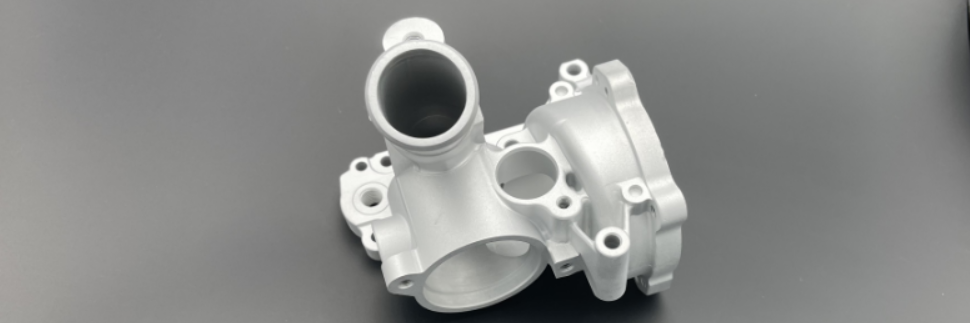
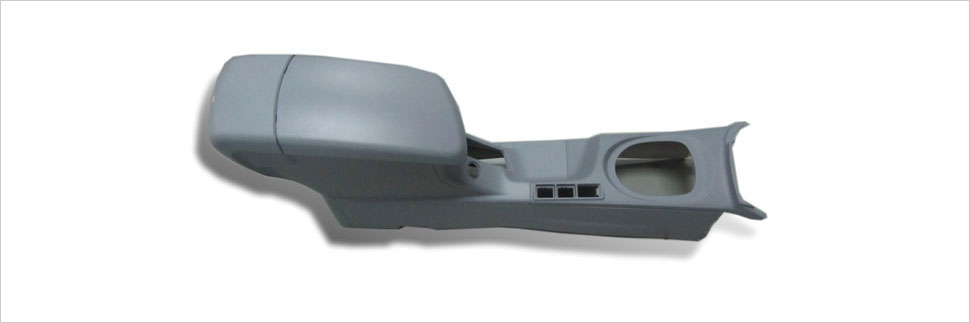
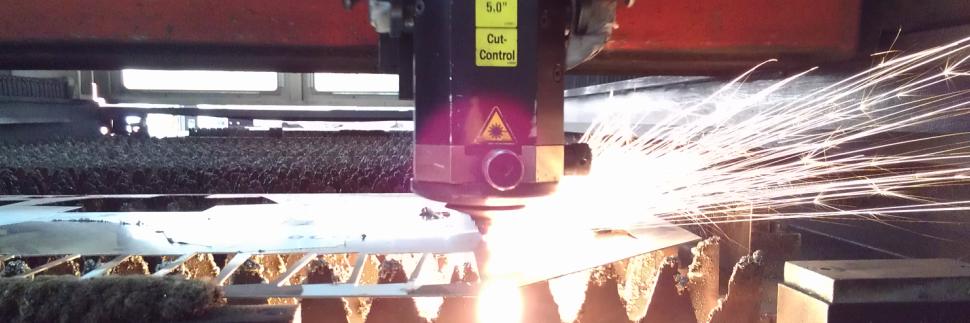
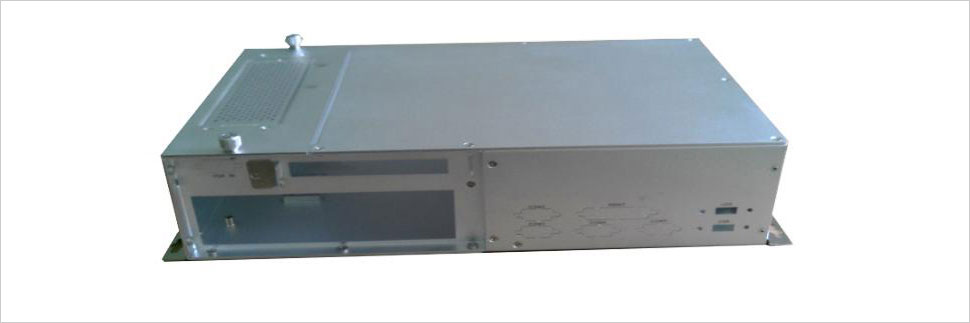
A product can look perfect on a computer screen and still feel completely wrong in real life. That is why prototype manufacturing in China can be an important step before production. Holding and testing a physical part reveals details that drawings and 3D models cannot always communicate, from uncomfortable dimensions to poor assembly fit.
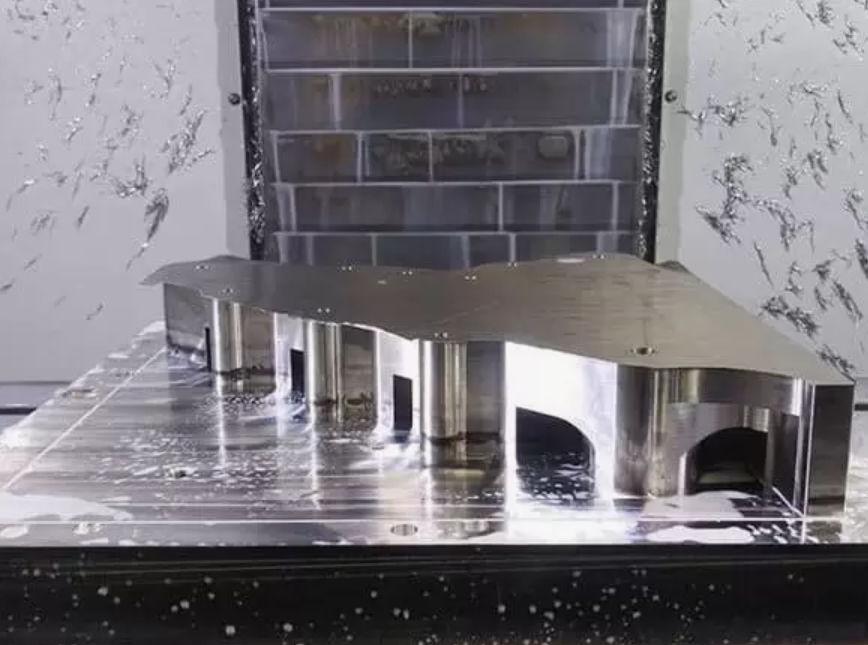
A prototype turns an idea into something that can be handled, tested, measured, and improved before larger manufacturing commitments are made.
What Can You Learn From Holding a Prototype?
Digital models are excellent for checking geometry, but physical testing introduces practical questions.
Does the component feel comfortable? Can two parts be assembled without forcing them together? Are buttons, holes, brackets, or panels positioned where users actually need them?
A prototype can reveal issues such as:
- Unexpected interference between components
- Difficult assembly or poor access
- Incorrect dimensions or tolerances
- Unsuitable material choices
- Surface finish concerns
- Weak or inconvenient structural features
These discoveries can lead to design changes that improve the final product before production begins.
How Prototype Manufacturing in China Helps Validate Designs
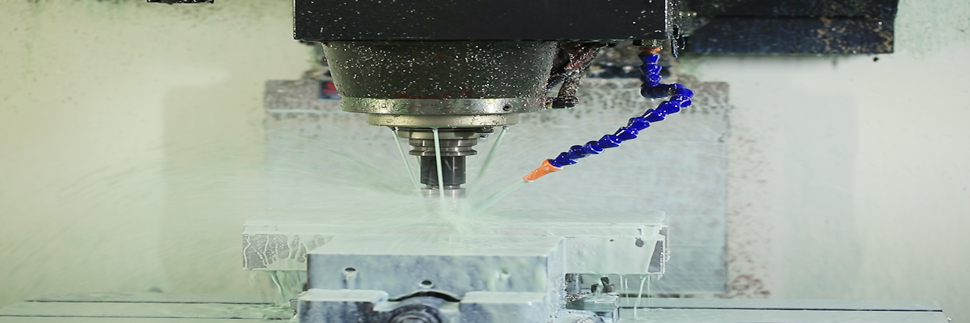
A prototype can be produced using different manufacturing processes depending on what needs to be tested. CNC machining can create precise metal or engineering plastic components, while 3D printing can help evaluate complex geometries and early design iterations. Sheet metal fabrication is useful for checking enclosures, brackets, panels and assemblies.
For small-batch plastic parts or production-like samples, vacuum casting may be appropriate. Rapid tooling and injection molding can also support prototype development and low-volume manufacturing when molded parts need to be evaluated.
The important point is that the prototype should match the purpose of the test. A simple appearance model does not need the same manufacturing approach as a functional component that must withstand repeated use.
What Does a Rapid Prototyping Project in China Look Like?
A rapid prototyping project in China generally starts with the product files and manufacturing requirements. The prototype process can then follow a practical sequence:
- Review the design: Examine CAD files, drawings, dimensions, materials, and tolerances.
- Select the process: Choose CNC machining, 3D printing, sheet metal fabrication, vacuum casting, or another suitable method.
- Produce the prototype: Manufacture the physical part according to the specified requirements.
- Test it physically: Check fit, function, appearance, assembly, and usability.
- Refine the design: Correct issues discovered during testing.
- Move toward production: Once the design is validated, proceed to low-volume production or suitable tooling where required.
This approach makes prototyping more than a visual exercise. It becomes a practical design-validation stage.
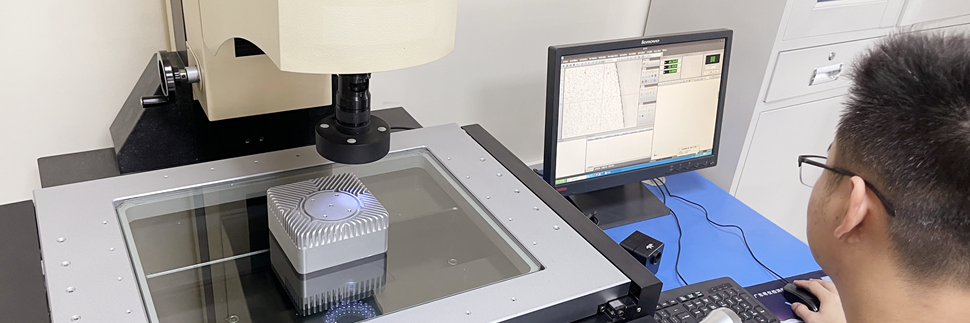
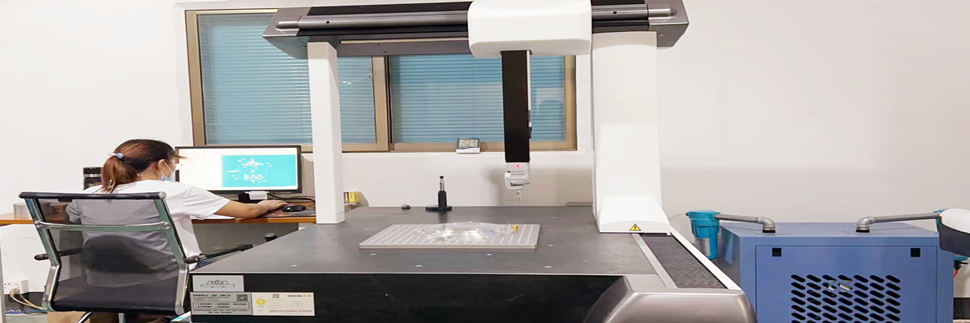
Define the test before making the part: what must fit, what load or repeated use will be evaluated, and what result counts as acceptable? Record observations, measurements and drawing revisions so the next iteration addresses a specific finding. Coordinate dimensional checks with the quality control and inspection plan.
When Should You Build a Prototype?
Build one when an important design decision cannot be confidently evaluated on screen. This is particularly useful for products involving tight tolerances, multiple components, complex shapes, custom enclosures, or physical interaction.
Testing early can also prevent a small design problem from becoming an expensive production problem.
Make the Physical Test Part of the Design Process
A strong product is rarely created perfectly on the first attempt. The value of a physical prototype lies in creating an opportunity to discover what the digital design cannot show.
With the right prototype process, teams can test the actual part, learn from it, refine the design, and approach production with greater confidence. Whether the requirement involves CNC machining, sheet metal fabrication, 3D printing, vacuum casting, or rapid tooling, physical validation can make the difference between a design that looks right and one that actually works.
Frequently Asked Questions
What is the main purpose of a prototype?
A prototype provides a physical version of a product that can be evaluated for fit, function, dimensions, materials, appearance, and assembly before production. It helps identify practical design problems that may not be obvious in CAD models.
How does a prototype made in China help product development?
A prototype made in China allows engineering teams to physically evaluate a design using suitable manufacturing processes such as CNC machining, 3D printing, sheet metal fabrication, or vacuum casting before moving toward larger production requirements.
When is rapid prototyping in China useful?
Rapid prototyping services in China are useful when teams need physical parts for early design validation, functional testing, appearance review, or assembly checks. The appropriate process depends on geometry, material, tolerance, quantity, and the purpose of testing.
Can one prototype reveal manufacturing problems?
Yes. Physical prototypes can expose issues involving tolerances, part interference, hole positions, bend geometry, assembly access, material selection, and surface finish. Finding these problems before production can make subsequent manufacturing decisions more practical. A single prototype does not demonstrate production repeatability or establish that every potential failure has been found; testing should match the intended use and acceptance criteria.
What information is needed to manufacture a prototype?
Useful information includes 3D CAD files, 2D drawings where available, material requirements, quantities, tolerances, surface finish requirements, assembly details, and delivery expectations. These details help determine the appropriate prototyping method.
Contact UIDEA with CAD files, drawings, material, quantity and the question your prototype needs to answer. Review prototype development and product innovation for related planning guidance.