



Quick answer: Rapid prototyping is worth it for small-batch product development when teams need to reduce design risk, test real parts, compare manufacturing processes and move from prototype validation to low-volume production with fewer costly changes.
Developing a product in small quantities can be risky. A design may look perfect on screen but reveal problems with fit, function, materials, or assembly once it becomes a physical part. This is where Rapid Prototyping Services China can offer real value.
Rapid prototyping is generally worth it for small-batch product development because it allows teams to test and refine a design before committing to larger production costs. The right process can also support a smoother transition from prototype to pilot runs or low-volume manufacturing.
What Is Rapid Prototyping?
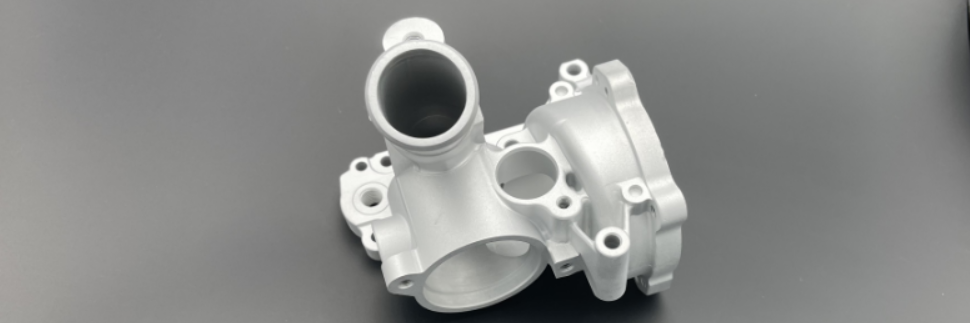
Rapid prototyping is the process of turning a digital design into a physical model or functional part for testing, evaluation, and design validation.
Depending on the product requirements, manufacturers may use:
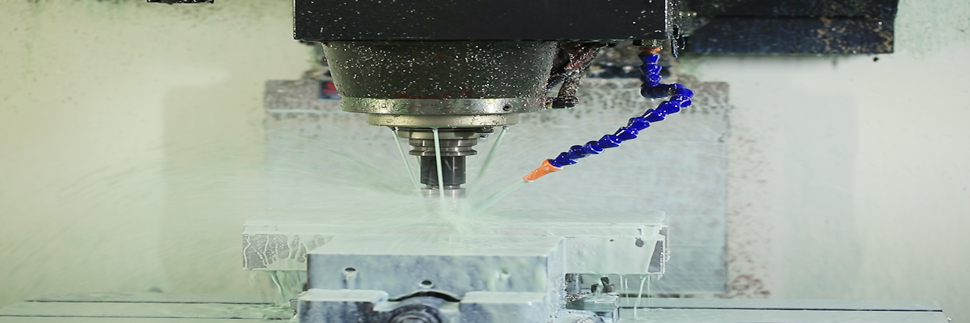
- CNC machining for precise metal and plastic components
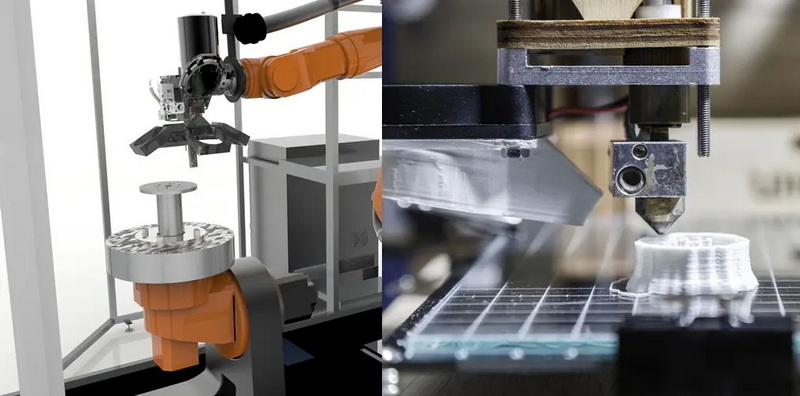
- 3D printing China for fast iterations and complex geometries
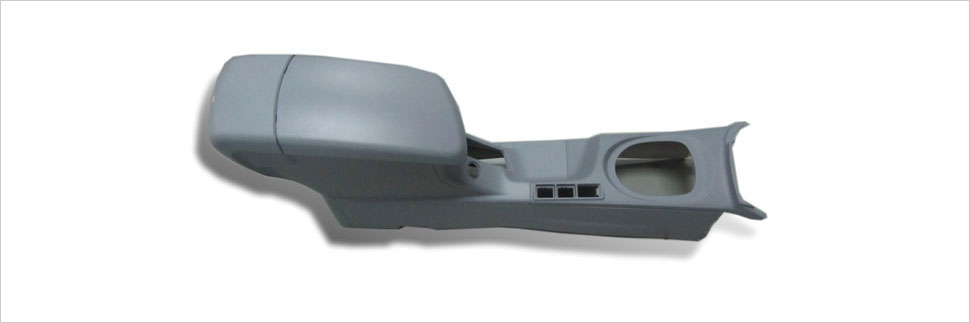
- Vacuum casting China for small batches of plastic parts
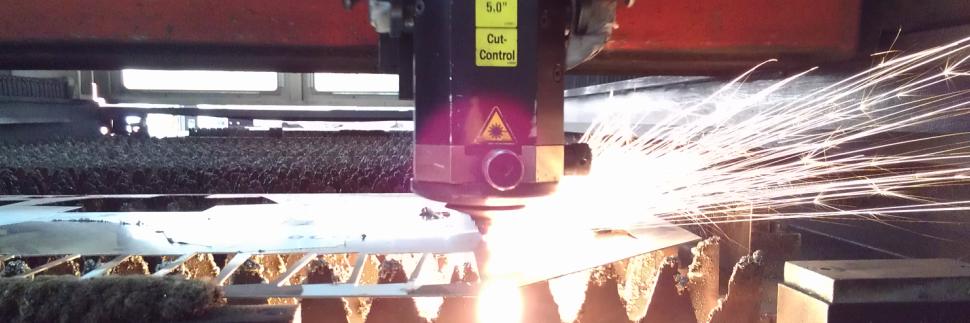
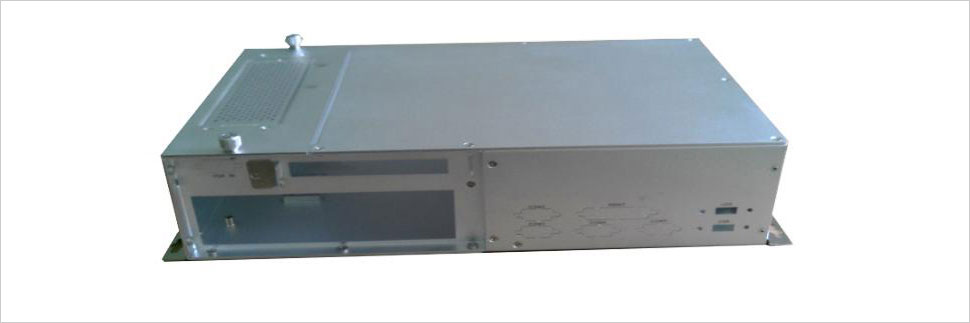
- Sheet metal fabrication China for enclosures, brackets, and structural components
- Rapid tooling and injection molding for bridge production and production-like parts
The best option depends on the part's geometry, material, tolerance, finish, quantity, and intended use.
Why Rapid Prototyping Services Make Sense for Small Batches
1. Problems Can Be Found Before Production
A CAD model cannot always reveal real-world issues. A physical prototype can help identify interference between components, poor ergonomics, weak areas, or assembly difficulties.
For example, a product team developing an electronic enclosure may discover that connector openings need adjustment or internal components require more clearance. Correcting these issues before larger production can prevent unnecessary rework.
2. You Can Choose a Process Based on the Actual Need
Small-batch development does not require using the same manufacturing method for every part.
CNC Machining China, for example, can be a practical option when a project needs tight tolerances and functional parts made from engineering plastics or metals. Meanwhile, 3D printing China may be better suited to early concept testing, while vacuum casting China can support limited quantities of production-like plastic parts.
3. It Reduces the Risk of Expensive Tooling Decisions
Full production tooling can be a major investment. Rapid prototyping allows businesses to validate a design, material choice, and product performance before moving toward larger manufacturing commitments.
This is especially useful for startups, new product launches, pilot programs, and products where market demand is still being tested.
When Is Rapid Prototyping Worth the Cost?
Rapid prototyping is most valuable when the cost of discovering a mistake after production would be higher than the cost of testing it beforehand.
Before choosing Rapid Prototyping Services China, consider:
How many design changes are still expected?
Does the part require functional testing?
Are tight tolerances important?
Do you need specific production materials?
Is the batch intended for testing, customers, or market validation?
Will the product eventually move to larger-scale manufacturing?
Providing CAD files, drawings, material requirements, quantities, tolerances, and finish expectations can also help determine the most suitable manufacturing route.
Conclusion: Is Rapid Prototyping Worth It?
For many small-batch projects, the answer is yes. Rapid Prototyping Services China provide an opportunity to test ideas with physical parts, identify design problems earlier, and select a manufacturing process that matches the product's technical and commercial requirements.
The key is not simply producing a prototype quickly. It is choosing the right method for the part and using the prototype to make better decisions before investing in larger production runs.
Rapid Prototyping FAQ
1. How many parts can be produced through rapid prototyping?
Rapid prototyping can support everything from a single functional prototype to pilot runs and low-volume batches. The most suitable quantity depends on the manufacturing process, material requirements, part complexity, and whether the parts are intended for internal testing, customer evaluation, or early market release.
2. Is CNC machining better than 3D printing for prototypes?
Neither process is universally better. CNC machining is often preferred for tight tolerances and production-grade metal or engineering plastic materials. 3D printing China is useful for fast design iterations and complex geometries. The right choice depends on how the prototype will be tested and used.
3. Can prototype parts be sold to customers?
Yes, depending on the manufacturing process, material quality, and intended application. Some low-volume projects use prototypes or bridge-production parts for market testing and early customer feedback. However, product safety, regulatory requirements, and quality expectations should be evaluated before commercial use.
4. What information should I provide when requesting Rapid Prototyping Services?
For an accurate quotation and process recommendation, provide a 3D CAD file, 2D drawings where available, material preferences, quantity, tolerance requirements, surface finish, assembly details, and target delivery date. This information helps engineers assess manufacturability and recommend an appropriate process.
5. Can a prototype manufacturer support production after testing?
Yes. A manufacturer with multiple capabilities can support the transition from prototype validation to low-volume production. Depending on the project, this may involve CNC machining, sheet metal fabrication China, vacuum casting China, or rapid tooling and injection molding as production requirements evolve.
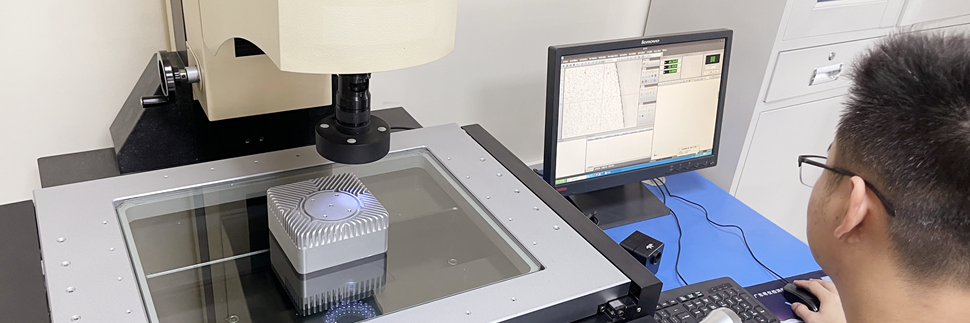
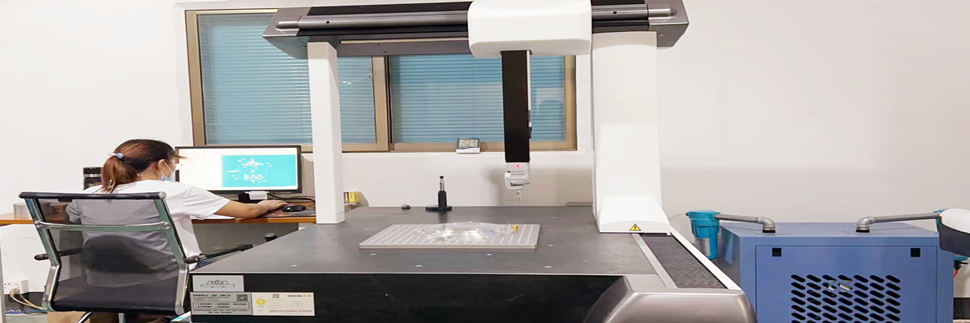
Related UIDEA services: Review CNC machining China, sheet metal fabrication China, 3D printing China, vacuum casting China and UIDEA quality control.