



Quick answer: China rapid prototyping helps product teams turn CAD files and product ideas into physical prototypes for fit checks, functional testing, appearance review and manufacturing planning. By choosing the right mix of CNC machining, 3D printing, vacuum casting and sheet metal fabrication, teams can find problems earlier before committing to tooling or larger production runs.
A product idea becomes much easier to evaluate once you can hold it, test it and see how it fits together. China rapid prototyping helps product developers move from CAD concepts to physical parts without immediately committing to large-scale production. With practical manufacturing processes and clear inspection, teams can validate designs and identify problems earlier.
Explore UIDEA's prototyping capabilities in China to plan the next step from prototype evaluation to low-volume production.
What Is China Rapid Prototyping?
China rapid prototyping is the process of manufacturing physical prototypes from digital designs through specialized production methods. The appropriate process depends on material, geometry, tolerance, surface finish, quantity and intended use.
A prototype can help answer important questions before production:
- Does the part fit correctly?
- Will components assemble as intended?
- Is the selected material suitable?
- Are critical dimensions accurate?
- Does the appearance meet expectations?
- Can the design be manufactured efficiently?
This makes prototyping more than simply creating a sample. It is a practical stage of product validation, supplier communication and production risk reduction.
How Does the Rapid Prototyping Process Work?
1. Start With a Detailed Design
The process typically begins with a 3D CAD model. For parts requiring specific tolerances, threads or critical dimensions, a 2D engineering drawing is also useful. Clear specifications reduce misunderstanding during manufacturing and help the supplier quote more accurately.
2. Choose the Right Manufacturing Method
Not every prototype should be produced using the same process. The best route depends on what the team needs to learn from the part.
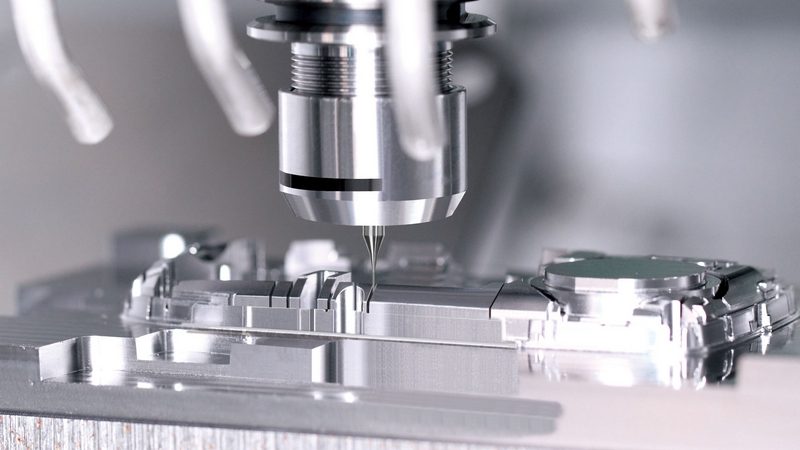
- CNC machining: Suitable for accurate functional metal and plastic prototypes, especially when tight tolerance and material performance matter.
- 3D printing: Useful for quickly evaluating complex shapes, visual models and early design concepts.
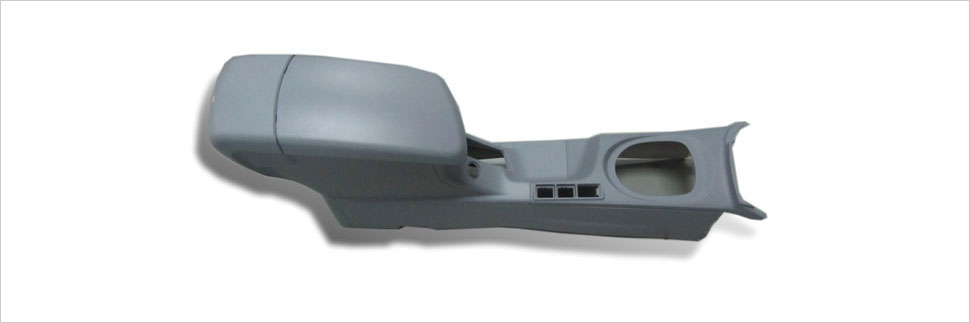
- Vacuum casting: Practical for small batches of plastic-like parts, clear parts, rubber-like parts and appearance samples.
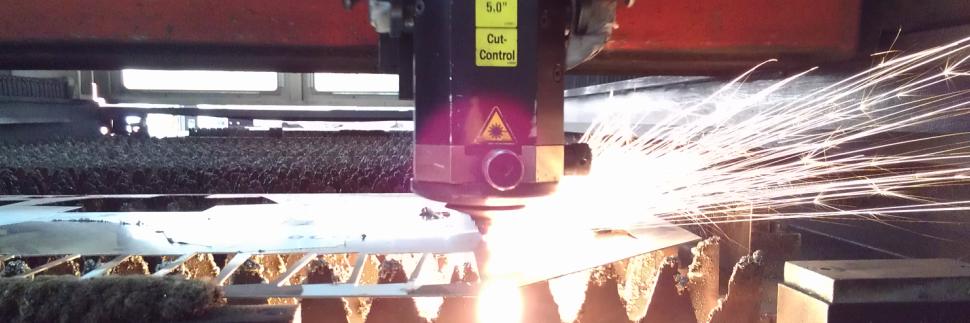
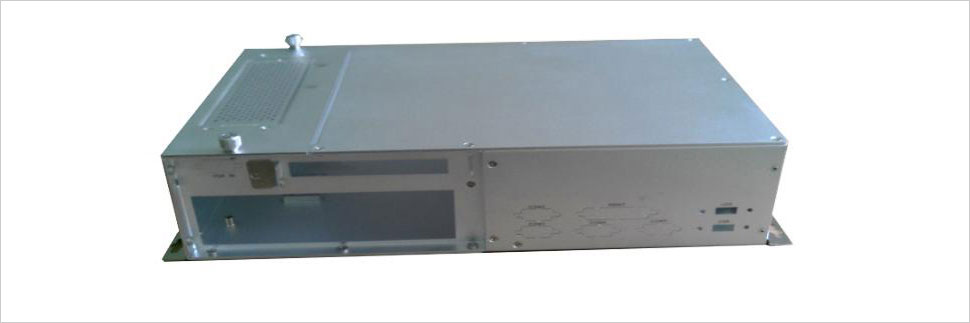
- Sheet metal fabrication: Well suited to brackets, panels, enclosures and formed metal components.
3. Consider Precision and Material Requirements
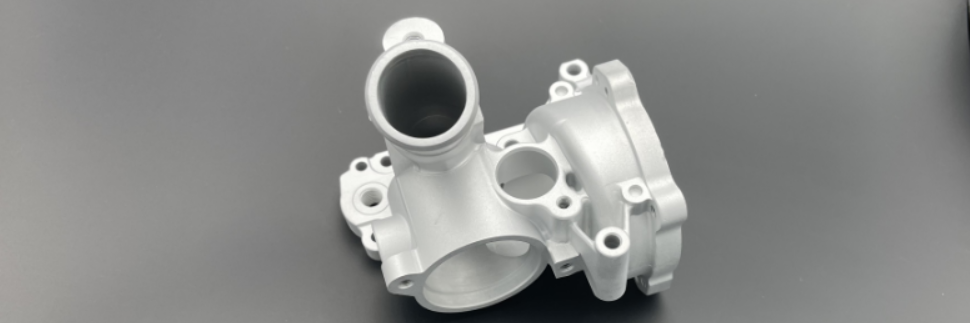
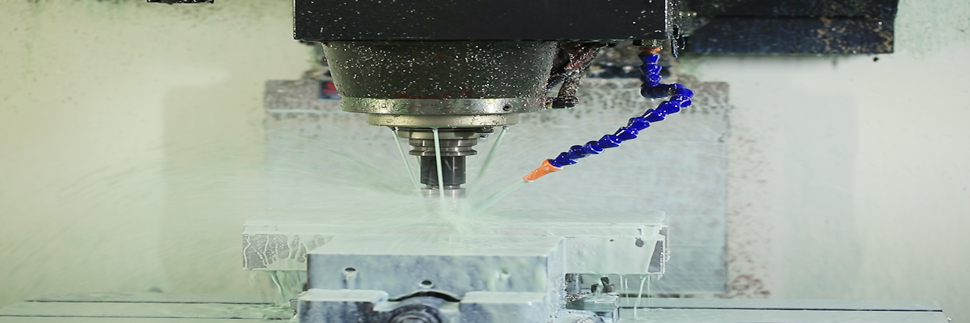
For functional components, precision CNC machining in China can be useful when dimensional accuracy and material performance matter. Materials available for CNC machining include aluminum, stainless steel, steel, brass, copper, titanium and engineering plastics.
For example, an aluminum prototype for a robotic component may need different machining and finishing requirements than a cosmetic plastic housing. This is why material, surface finish and tolerance should be discussed early.
4. Inspect, Test and Improve
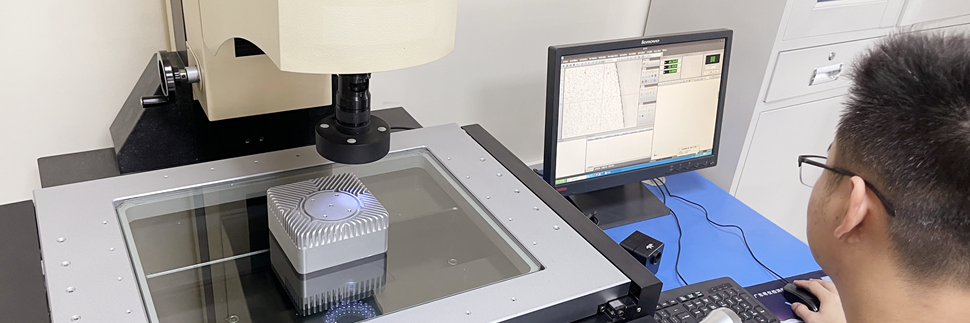
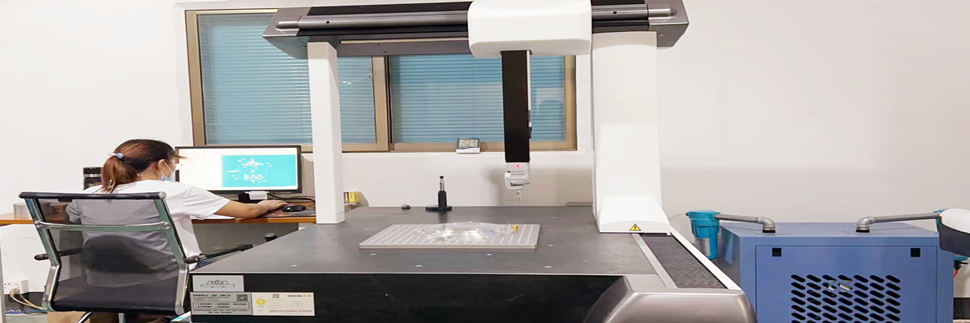
Once the prototype arrives, test it in the conditions that matter. Check fit, movement, strength, finish, assembly and other functional requirements. If something does not work, revise the CAD design and produce another iteration. UIDEA's quality control process can support dimensional inspection and practical review before shipment.
What Should You Send for a Prototype Quote?
To receive a useful quotation, provide:
- 3D CAD files, such as STEP, IGES, X_T or STL where suitable.
- 2D drawings where tolerances, threads, inserts or critical dimensions are required.
- Material specifications or target material properties.
- Quantity for prototype, pilot run or low-volume production.
- Tolerance requirements and important inspection points.
- Surface finish, color, texture or post-processing requirements.
- Application, assembly or testing requirements.
- Target delivery date and shipping destination.
These details help manufacturers assess the most suitable process and identify potential manufacturing challenges before production. If the process is not confirmed, UIDEA can compare CNC prototype machining, 3D printing, vacuum casting, sheet metal fabrication and rapid tooling options.
Why Use China Rapid Prototyping?
The major advantage is not simply speed. A capable manufacturing partner can connect prototype development, testing and low-volume production. This can reduce unnecessary supplier changes and allow validated technical data to continue into subsequent manufacturing stages.
For more context, read UIDEA's guide on why rapid prototyping services matter for modern product development and why prototype development supports product innovation.
Final Takeaway
China rapid prototyping provides a practical path from a digital product idea to a testable physical prototype. By selecting the right process, material, tolerances and finishing requirements, product teams can identify problems earlier and make better production decisions. Whether the project requires CNC machining, 3D printing, sheet metal fabrication, vacuum casting or another process, careful prototype validation can make the journey from concept to production more predictable.
Frequently Asked Questions
How quickly can a prototype be produced in China?
Lead time depends on the manufacturing process, material, complexity, quantity, finishing and inspection requirements. A straightforward CNC or 3D printed prototype may move quickly, while complex parts requiring special finishes or tooling can take longer.
Is CNC machining suitable for functional prototypes?
Yes. CNC machining is useful when a prototype needs accurate dimensions, realistic material properties and functional performance for assembly checks, engineering tests and design validation.
What is the best material for a CNC prototype?
There is no single best material. Aluminum is common for lightweight functional parts, stainless steel can support higher strength needs, and engineering plastics may be appropriate for weight, insulation or special material behavior.
Can a prototype manufacturer support low-volume production?
Yes. Some China-based manufacturers support the transition from prototype machining to low-volume or bridge production for testing, pilot builds, market evaluation and early customer orders.
What makes a rapid prototyping supplier reliable?
A reliable supplier should have suitable manufacturing capabilities, material options, inspection practices, finishing support, clear communication and experience with similar prototype or low-volume parts. Complete CAD files and drawings also give the supplier a clearer basis for accurate quoting and production.
To discuss a prototype project, send drawings, CAD files, material, quantity and finish requirements through the UIDEA contact page.
Related UIDEA services: For manufacturing support, review CNC machining China, sheet metal fabrication China, 3D printing China and vacuum casting China.