



When a prototype needs to be more than a visual model, SLS 3D printing can offer a practical solution. Selective Laser Sintering uses a laser to fuse powdered material layer by layer, commonly producing functional nylon parts with good strength and design flexibility. Unlike many other 3D printing methods, SLS does not require support structures, making it suitable for intricate geometries and functional prototypes.
What Makes SLS 3D Printing Suitable for Complex Parts?
The biggest advantage of SLS is its freedom to create shapes that can be difficult to manufacture using conventional methods.
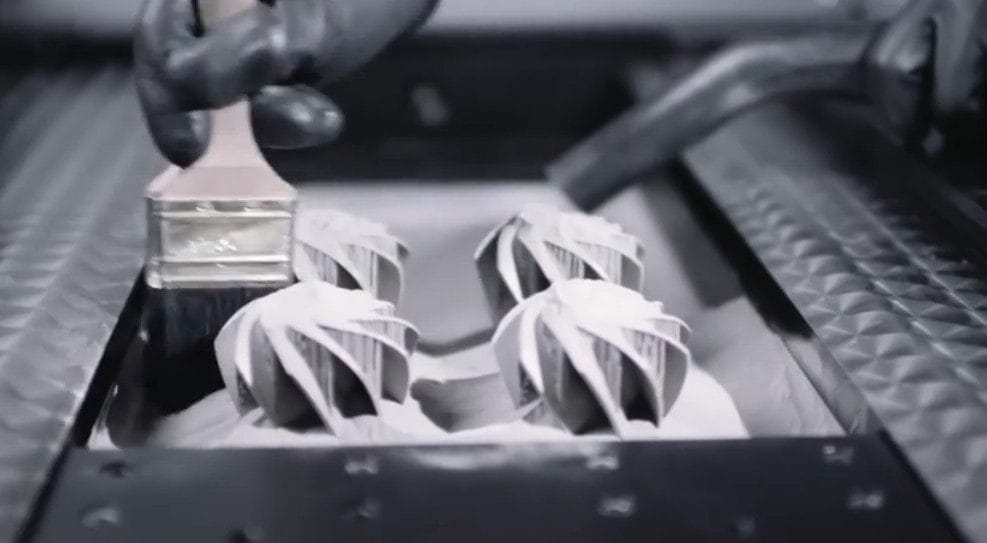
During printing, the surrounding powder supports the part. This eliminates the need for separately designed support structures and allows engineers to explore:
- Internal channels and passages
- Snap-fit connections
- Thin walls and intricate features
- Curved and organic geometries
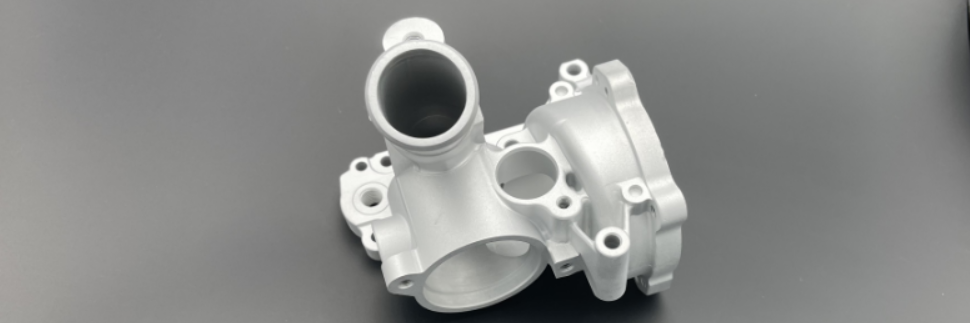
- Complex housings and ducts
- Lightweight structural designs
This makes SLS particularly useful when a design contains features that would require multiple machining operations or specialized tooling.
Support-free printing does not mean post-processing-free production. Parts still need cooling and removal of loose powder. Internal passages must be designed so that powder can be removed; confirm cleaning access and feature limits during the design review.
How Does SLS 3D Printing Improve Part Strength?
SLS commonly uses engineering-grade nylon and other polymer powders selected according to the application's requirements. The laser fuses successive layers of material to create a functional component rather than simply an appearance model.
For product teams, this means prototypes can be used for more meaningful testing, including assembly checks, fit testing and functional evaluation. However, strength still depends on factors such as material choice, part geometry, wall thickness, build orientation and processing conditions.
Why Choose SLS for Functional Prototyping?
A good prototype should help answer practical questions before production begins. SLS can help engineers evaluate whether a part fits, functions and interacts correctly with other components.
For example, a nylon SLS prototype may be useful for testing a housing, bracket, clip or duct before committing to injection molding or another production process.
SLS can also complement other manufacturing methods. plastic extrusion prototyping, CNC machining, vacuum casting and rapid tooling may each be more suitable at different stages of product development.
SLS vs. Other Manufacturing Methods: What Should You Consider?
The right process depends on the intended purpose of the part.
- SLS: Strong functional nylon parts and complex plastic geometries
- SLA: Detailed models requiring fine features and smoother surfaces
- MJF: Durable nylon components and small-batch functional parts
- SLM: Complex metal components and lightweight metal structures
- CNC machining: Tight tolerances and applications requiring specific production materials
Therefore, choosing a process based only on appearance or price can lead to disappointing results. Consider strength, geometry, quantity, tolerance, surface finish and end-use requirements together.
When Should You Use SLS 3D Printing?
SLS is especially valuable when you need a functional plastic prototype with complex geometry and do not want to invest in production tooling yet. It can shorten design iteration cycles and help identify problems before manufacturing moves into higher-volume processes.
Before ordering, provide the CAD file, required quantity, material preference, tolerances, application and desired finish. These details help determine whether SLS is the right manufacturing route.
Choosing the Right Process
SLS 3D Printing combines functional material performance with considerable design freedom. Its support-free process makes it particularly useful for strong, complex plastic parts, functional prototypes and low-volume applications. When combined strategically with methods such as Plastic Extrusion Prototyping, CNC machining or tooling, it can become an important part of a practical product-development workflow.
Frequently Asked Questions
Is SLS 3D Printing suitable for functional prototypes?
Yes. SLS is commonly used for functional prototypes because it can produce durable nylon components suitable for fit, assembly and functional testing. It is particularly useful when the prototype has complex geometry or features that are difficult to manufacture through conventional methods.
Why does SLS not require support structures?
SLS builds parts inside a bed of unfused powder. The surrounding powder supports the component as it is formed, allowing complex features, internal channels, and unusual geometries to be produced without the dedicated support structures required by some other 3D printing processes.
Is SLS stronger than other 3D printing methods?
There is no universal answer because strength depends on the material, geometry and printing conditions. However, SLS is well suited to functional nylon components where durability and design freedom are more important than achieving a highly polished cosmetic surface.
Can SLS replace Plastic Extrusion Prototyping?
Not necessarily. SLS and Plastic Extrusion Prototyping address different manufacturing requirements. SLS is valuable for complex, customized parts, while extrusion can be preferable for products with continuous cross-sectional profiles. The best choice depends on geometry, quantity and intended application.
What information is needed for an SLS 3D printing quote?
A manufacturer will typically need a 3D CAD file, quantity, material preference, application, tolerance requirements, surface-finish expectations and delivery requirements. Providing these details early allows the production team to recommend an appropriate process and material.
Contact UIDEA with your CAD file and testing requirements to discuss a suitable prototype manufacturing process. Material availability, achievable tolerances and lead time should be confirmed for each project.
Technical background: EOS guide to selective laser sintering and polymer powder handling and depowdering.