



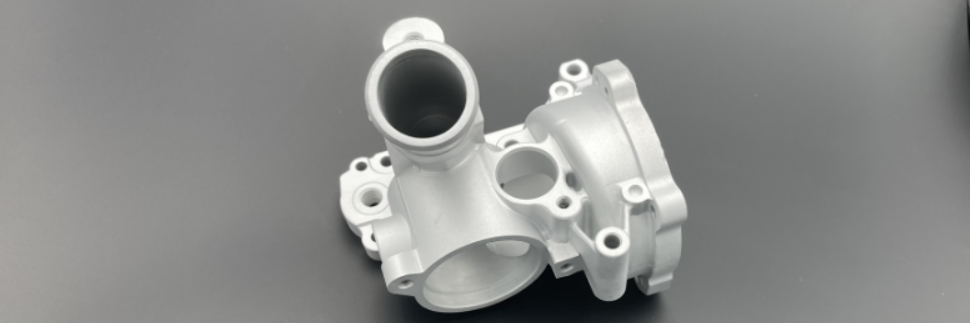
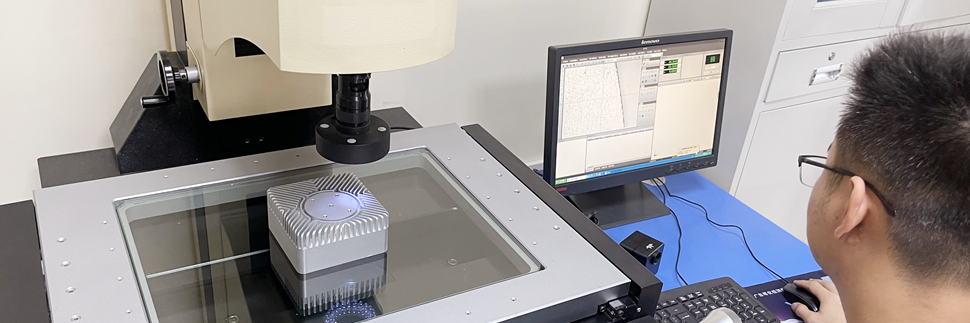
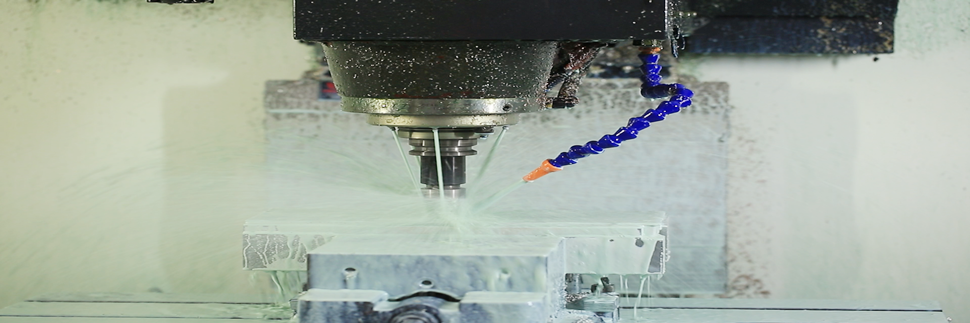
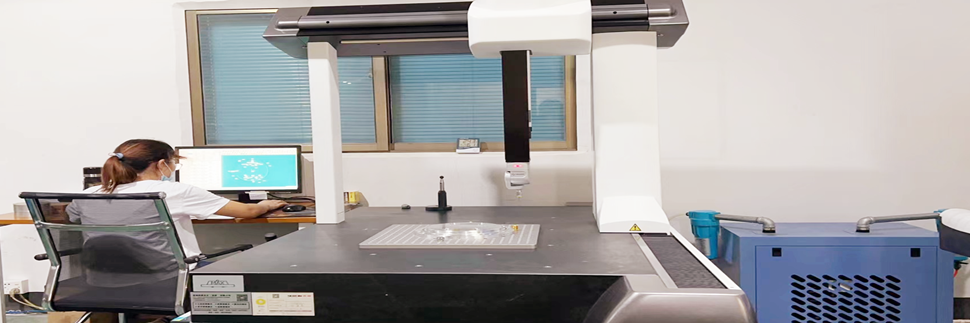
Product innovation involves more than developing an interesting design. A product must also fit together correctly, perform as intended and meet practical manufacturing requirements. Sheet metal prototyping turns digital designs into physical components so teams can check bends, hole positions and assembly fit before committing to production.
Professional fabrication services make this process more practical by combining precision cutting, bending, welding, assembly, and finishing. This allows product developers to identify design limitations early and make informed decisions throughout development.
How Does Sheet Metal Prototyping Support Product Innovation?
Sheet metal prototyping is the process of creating physical metal components from engineering drawings or CAD designs before moving into larger production runs. It allows manufacturers to examine dimensions, bend geometry, mounting positions, and assembly compatibility using actual parts.
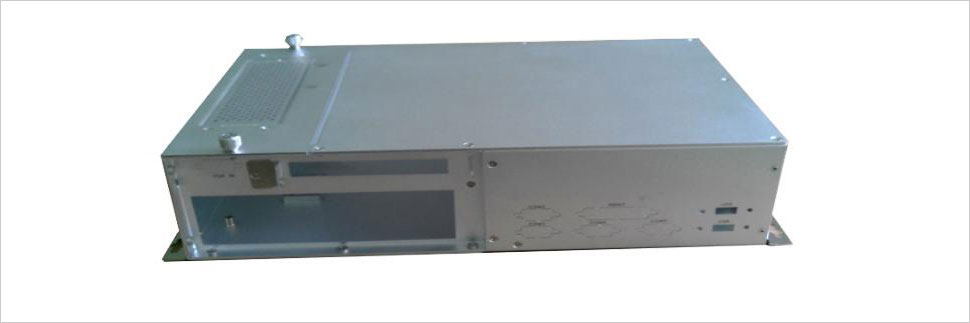
For example, a team developing an electronic enclosure could use a prototype to check ventilation openings, panel alignment, access points and component clearances. This is an illustrative application rather than a documented customer case. The results can guide design revisions before production approval.
4 Ways Professional Prototyping Services Encourage Innovation
1. Turning Design Concepts into Testable Products
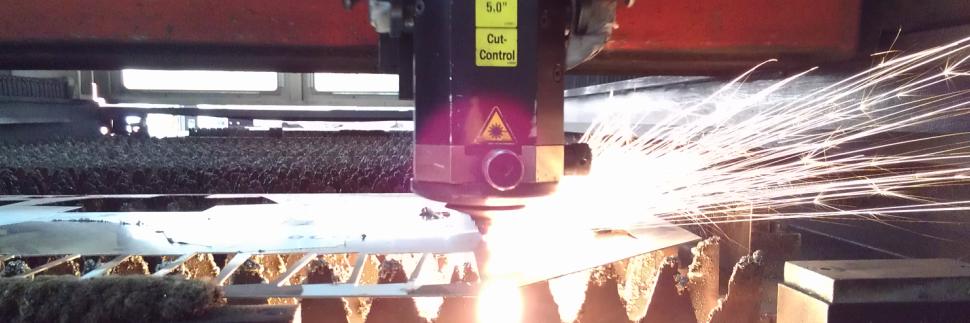
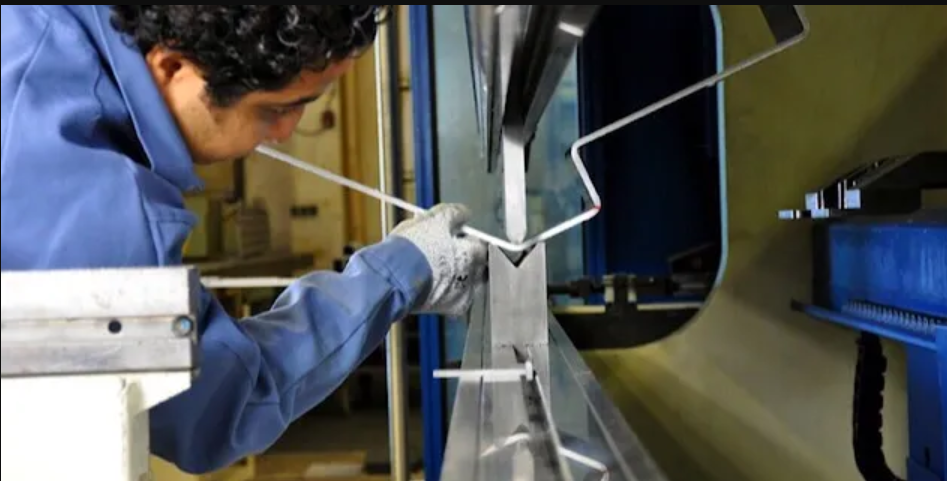
Professional fabricators use processes such as laser cutting, CNC punching, and press brake bending to convert flat metal sheets into functional components.
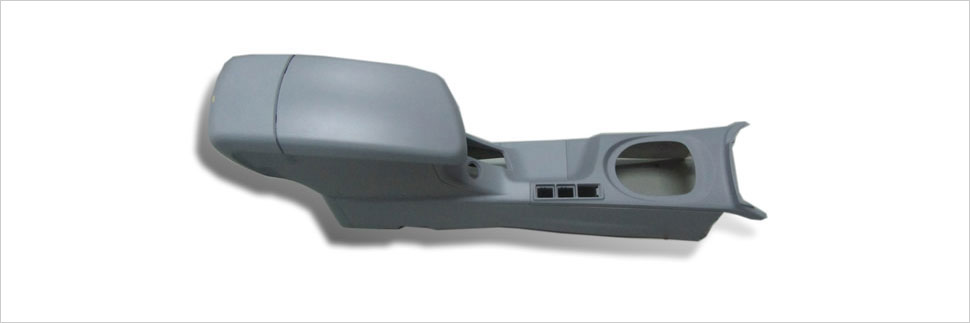
This gives designers an opportunity to evaluate real-world product characteristics rather than relying entirely on digital models. Brackets, equipment housings, cabinets, and custom panels can all be assessed before manufacturing decisions are finalised.
2. Identifying Design Issues Before Production
A physical prototype helps reveal problems that may not be obvious in CAD drawings. These can include:
- Incorrect hole positions or mounting dimensions.
- Bend geometry that affects component alignment.
- Insufficient clearance between assembled parts.
- Hardware placement or finishing inconsistencies.
Addressing these details during prototyping helps reduce design-related production risks.
3. Supporting Material and Finish Selection
Different applications require different material properties. Aluminum, stainless steel, carbon steel, and galvanized steel offer different combinations of weight, durability, corrosion resistance, and formability.
Sheet metal prototyping services can also help evaluate surface treatments such as powder coating, painting, anodizing, plating and brushing. Not every finish is suitable for every metal: confirm compatibility with the selected alloy, appearance requirements and operating environment before specifying a treatment.
4. Creating a Practical Path to Low-Volume Production
Once a prototype receives engineering approval, its drawings and fabrication plan can provide a starting point for low-volume production. The batch process still needs review of tooling, fixtures, inspection criteria and repeatability. Approval of one sample does not by itself demonstrate that every production part will meet the same requirements.
How Does SLM 3D Printing Complement Sheet Metal Prototyping?
Not every product component can be manufactured effectively through sheet metal fabrication. Some designs require complex internal features, lightweight structures, or geometries that are difficult to achieve through conventional forming.
SLM metal 3D printing builds components layer by layer by melting metal powder. It can be considered for complex metal prototypes and engineering samples when the geometry and intended use justify the process. Material, finishing and inspection requirements should be reviewed alongside those of the sheet metal parts.
The two processes can complement each other:
- Sheet metal fabrication suits panels, brackets, enclosures, and formed components.
- SLM 3D Printing supports complex metal geometries and lightweight components.
Combining manufacturing methods can help product teams select practical solutions for different component requirements.
What Should Businesses Consider Before Choosing a Prototyping Service?
Before requesting a quotation, businesses should prepare:
- CAD files and drawings: Provide accurate 3D models and dimensioned 2D drawings.
- Material specifications: Identify the required metal grade and sheet thickness.
- Tolerance requirements: Highlight critical dimensions, bend angles, and mounting positions.
- Finishing preferences: Specify painting, powder coating, plating, or other surface treatments.
- Production quantity: Clarify whether the requirement involves a single prototype or a small batch.
Clear documentation helps fabricators assess manufacturability and recommend suitable processes. Agree which dimensions and assembly features are critical, how they will be checked, and what results are needed for approval. Review the quality control approach when preparing the inspection requirements.
Use Prototype Findings to Guide the Next Design Revision
A useful sheet metal prototype answers a defined design question. Record findings against the drawing revision, identify the changes needed and repeat the relevant checks before approving production. To discuss sheet metal fabrication in China, send UIDEA your drawings and project requirements, including material, thickness, quantity, finish and critical dimensions.
Frequently Asked Questions
How long does the sheet metal prototyping process take?
The timeline depends on design complexity, material availability, fabrication requirements, finishing, and inspection. Simple components may require fewer manufacturing operations than complex assemblies. Sharing complete drawings and specifications helps suppliers assess the project and provide a realistic delivery estimate.
Which industries benefit most from sheet metal prototype development?
Electronics, automotive, telecommunications, robotics, medical equipment, automation, and industrial manufacturing frequently use sheet metal prototypes. These components help businesses evaluate equipment housings, mounting brackets, protective covers, cabinets, and other custom metal parts before production.
Can sheet metal prototypes be modified after initial fabrication?
Prototype feedback can guide changes to hole positions, bend dimensions, mounting arrangements, material thickness and finishing requirements. Some changes require a newly fabricated part rather than reworking the existing sample. Review revised CAD files and drawings before another prototype or production batch is manufactured.
Is SLM 3D Printing suitable for every metal prototype?
No. SLM 3D Printing is particularly useful for complex geometries, lightweight structures, and components with internal features. However, conventional sheet metal fabrication may be more practical for panels, enclosures, brackets, and formed parts. The choice depends on design and functional requirements.
What information should I provide when requesting a sheet metal prototyping quote?
Provide dimensioned 2D drawings, 3D CAD files, material grade, sheet thickness, required quantity, tolerances, surface finish, and assembly details. Including inspection expectations and delivery requirements also helps the manufacturer evaluate the project accurately.
Related reading: evaluating your first physical prototype and matching custom 3D printing to project requirements.