



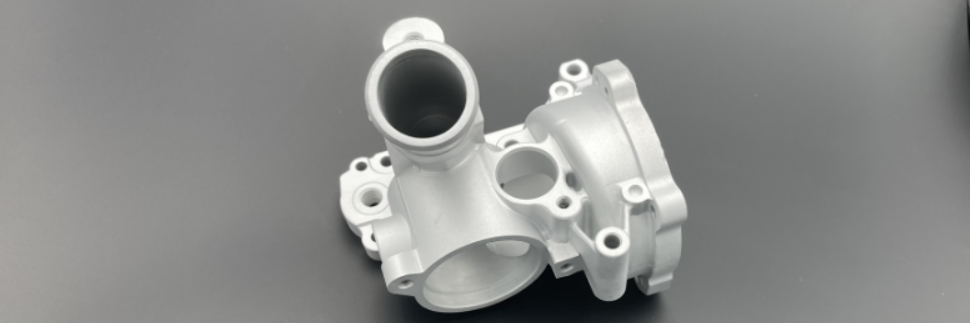
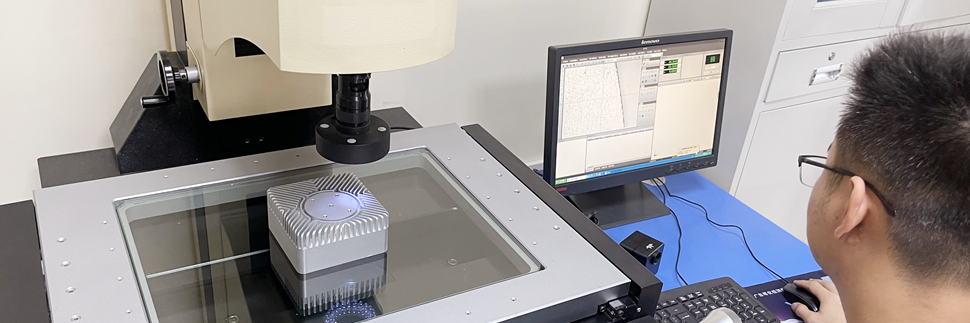
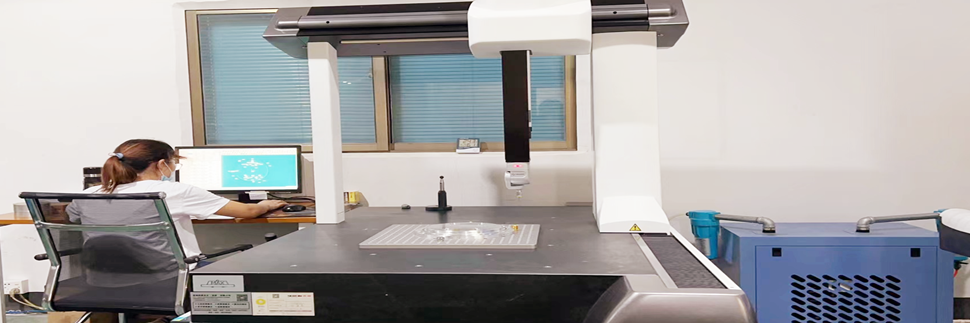
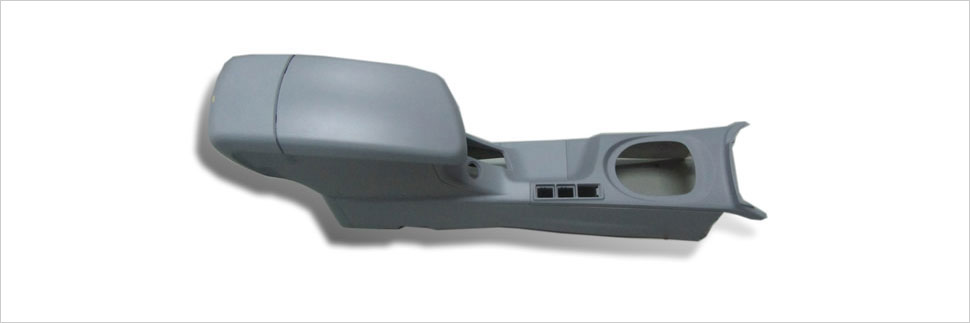
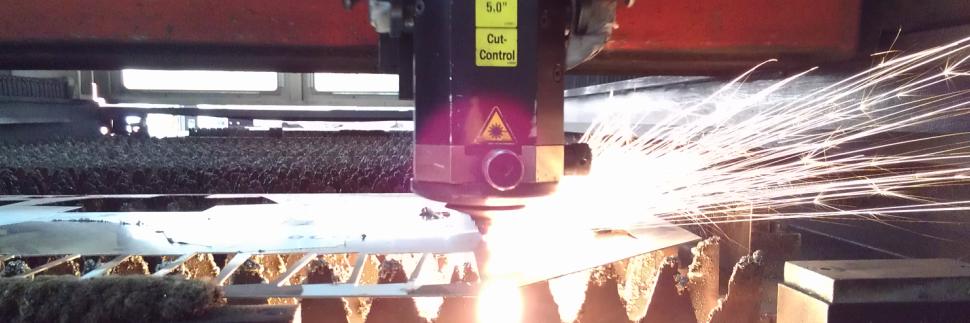
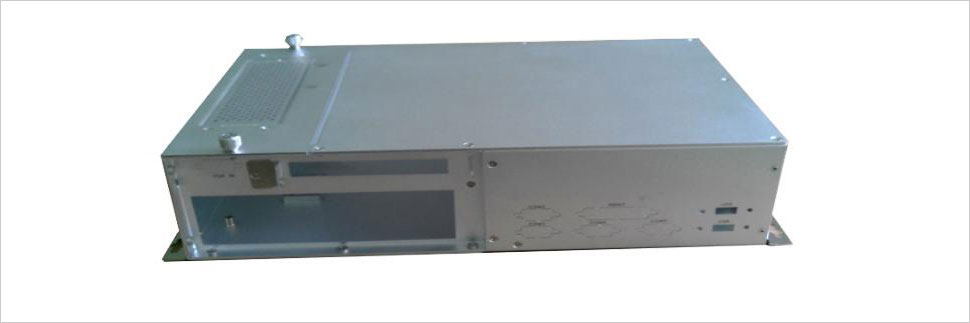
Custom 3D printing supports unique project requirements by matching the printing process, material, geometry and finishing steps to the part's intended use. 3D printing services in China can help teams develop prototypes, evaluate complex designs and produce selected small batches, subject to a review of the application and acceptance criteria.
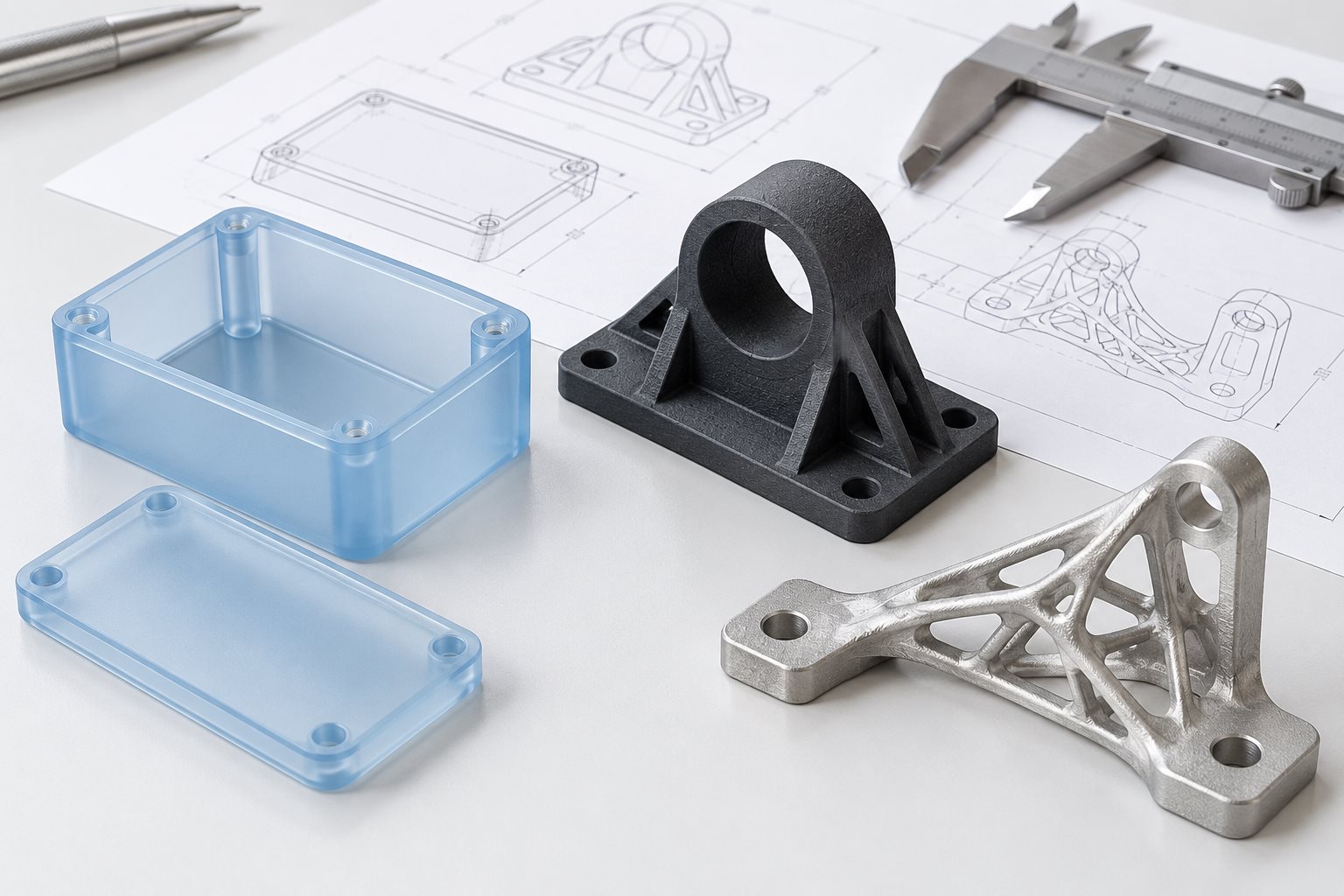
AI-generated illustration of custom 3D printed part concepts, not a customer project photograph.
How Does Custom 3D Printing Meet Specific Project Needs?
Custom 3D printing converts digital designs into physical objects by building them layer by layer. It can produce intricate geometries without a dedicated injection mold, but it does not remove all design constraints. Wall thickness, orientation, access for cleaning and any required supports should be reviewed for the chosen process.
This flexibility makes it useful for projects involving unusual shapes, customized housings, internal channels, lightweight structures, and components that need repeated design adjustments.
For example, an engineering team developing an electronic enclosure could print a prototype to check component placement, assembly fit and access to connectors before finalizing the design. This is an illustrative application, not a claim about a completed customer project.
Which 3D Printing Technology Is Right for Your Project?
Different projects require different levels of detail, strength, and surface quality. Selecting the appropriate process helps ensure the printed part meets its intended purpose.
SLA for Detailed Models
Stereolithography (SLA) uses light to cure liquid resin into solid layers. It can suit detailed prototypes, smooth surfaces, presentation models and appearance testing. Choose a specific resin for the intended evaluation and confirm the required washing, curing and finishing steps; a visual model is not automatically suitable for load or heat testing.
SLS and MJF for Functional Plastic Parts
Selective laser sintering (SLS) and Multi Jet Fusion (MJF) are commonly used to produce nylon components for functional testing, complex geometries, brackets, housings and small batches. The material grade, geometry and intended loads still need review. See our guide to SLS printing for small-batch customization.
Metal 3D Printing for Complex Components
Metal 3D printing, including selective laser melting (SLM), can produce intricate metal components that may be difficult to manufacture using conventional methods. It is worth considering for specialized engineering parts and lightweight structures.
How Do 3D Printing Services in China Support Prototyping?
Prototyping services in China can help product development teams turn CAD concepts into physical samples for evaluation. Instead of committing to production tooling too early, businesses can review a prototype and identify design changes before progressing.
The process typically involves:
- Design submission: Provide 3D CAD files and technical drawings when available.
- Requirement review: Define the intended application, dimensions, tolerances, material needs, and surface finish.
- Process selection: Choose a suitable printing technology based on the part's purpose.
- Prototype evaluation: Check fit, appearance, geometry, and functional requirements.
- Design refinement: Update the model if testing identifies areas for improvement.
This approach supports informed decisions during product development and reduces the risk of advancing an unsuitable design.
What Should You Consider Before Ordering Custom 3D Printed Parts?
Before requesting a quotation, clarify the requirements that affect manufacturing decisions. Consider the following:
- Material: Determine whether the part needs resin, nylon, or a suitable metal.
- Dimensional accuracy: Identify critical measurements and tolerance requirements.
- Surface finish: Specify whether the part needs a smooth appearance, painting, or another finishing treatment.
- Quantity: Explain whether you need one prototype or a small production batch.
- Application: Describe how the component will be handled, assembled, or tested.
Providing these details helps the manufacturing team assess the design and recommend an appropriate process. Agree how critical features will be checked against the drawing and which results are required before approval. Review UIDEA's quality control approach when preparing inspection requirements.
Choose a Suitable Approach for Your Next Project
Custom 3D printing gives businesses flexibility when developing specialized products and components. Match the process to the design, material and testing requirements before committing to larger manufacturing investments. Send UIDEA your project files with the intended use, quantity, material preferences and critical features so the requirements can be reviewed.
Frequently Asked Questions
What types of projects benefit most from custom 3D printing?
Projects involving complex geometries, customized components, product prototypes, appearance models, and small batches can benefit from custom 3D printing. The technology is particularly useful when designs need evaluation or revision before production tooling is considered.
Is 3D printing suitable for functional prototypes?
Yes. SLS and MJF can produce durable nylon parts for fit checks, assembly evaluation, and selected functional tests. The appropriate material and process depend on the expected loads, operating conditions, and performance requirements.
How do I select the right material for a 3D printed part?
Start by identifying the part's purpose, required strength, surface appearance, and operating environment. Resin may suit detailed visual models, while nylon is often appropriate for functional plastic components. Metal printing may suit specialized engineering applications.
What information is needed to request a 3D printing quotation?
Provide your CAD files, required quantity, preferred material, surface finish, critical tolerances, intended application, and delivery expectations. Technical drawings and assembly details can also help the manufacturer evaluate feasibility and recommend a suitable process.
Can custom 3D printing support low-volume manufacturing?
Yes. SLS and MJF can support small batches of functional plastic parts without conventional injection mold tooling. For larger quantities or specific production requirements, compare 3D printing with CNC machining, vacuum casting or rapid tooling. Suitability depends on the material, geometry, quantity, finish and acceptance requirements; no one process is always the lowest-cost option.
Technical background: Formlabs guide to SLA printing and post-processing. Supplier equipment and material availability should be confirmed for each project.