




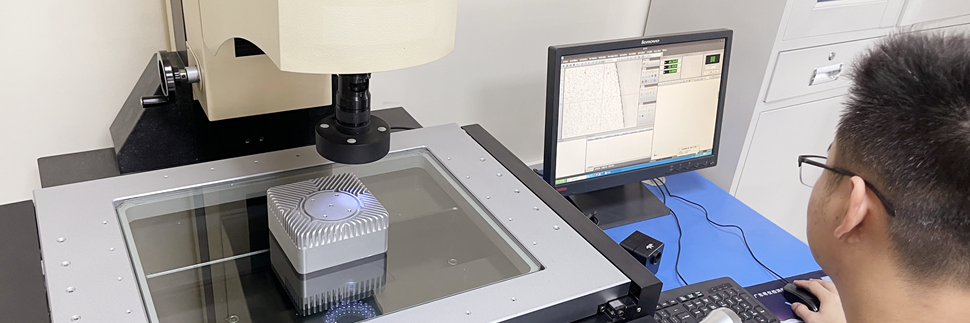
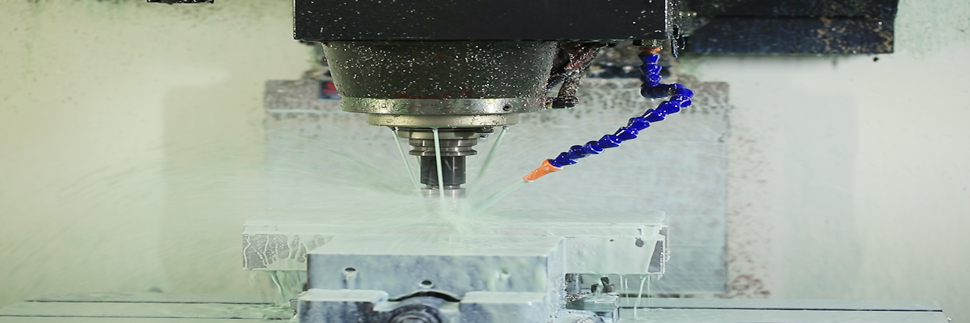
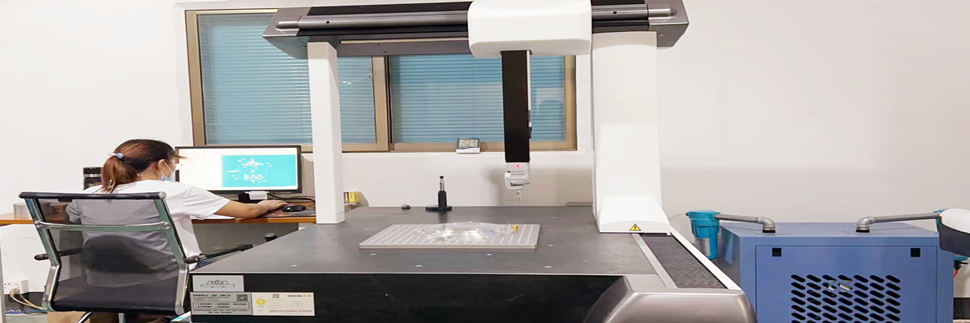
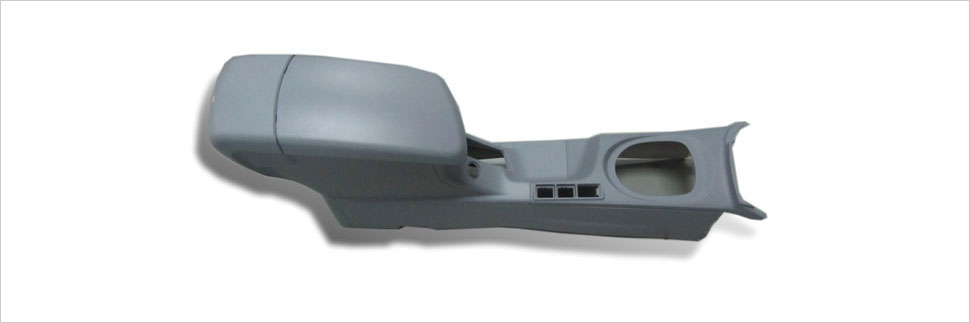
Electronics prototyping helps teams test enclosure fit, usability, assembly and functional behavior before committing to production. By comparing physical samples against defined requirements, engineers can identify problems earlier and refine a design with less risk. The benefits depend on selecting representative materials, realistic tests and a clear revision plan.
What Does Prototyping Actually Mean in Electronics?
Prototyping is the process of building an early, functional version of a product to test its design, performance, and usability before committing to mass manufacturing. It bridges the gap between a sketch on paper and a device that actually works in someone's hands.
Why This Middle Step Matters So Much
Skipping straight to production without testing invites expensive surprises. A prototype catches design flaws, wiring issues, or usability problems while changes are still cheap and simple, rather than after thousands of units have already rolled off the line.
How Prototyping Fuels Genuine Innovation
Innovation rarely arrives fully formed. It emerges through repeated cycles of testing and refinement, and prototyping is what makes that repetition possible without draining a company's entire budget in the process.
Faster Failure, Faster Learning: Engineers can test flawed ideas early and move on quickly, learning what doesn't work without the financial weight of committing to a flawed design at full production scale.
Real-World Feedback Loops: Physical prototypes let actual users interact with a product before launch, surfacing usability issues that no amount of digital simulation or spreadsheet analysis could ever fully predict.
Encourages Bolder Experimentation: When testing a new idea costs less and takes less time, teams feel freer to explore unconventional designs instead of playing it safe with proven, unoriginal concepts.
Can Reduce Late-Stage Rework: Finding design issues during prototype testing can reduce changes after tooling or production begins. Total lead time still depends on design complexity, sourcing and the number of revisions.
The Role of Rapid Iteration in Electronics Design
Modern electronics move fast, and waiting months between design revisions simply isn't competitive anymore. Rapid iteration keeps teams responsive to new findings instead of locked into outdated assumptions.
Small Changes, Compounding Results
Each prototype revision, even a minor tweak to circuit layout or casing shape, builds on lessons from the last. Over several rounds, these small adjustments compound into a noticeably stronger, more refined final product.
Testing Under Real Conditions
Simulations only go so far. Physical prototypes reveal how components behave under actual heat, vibration, or humidity, exposing weaknesses that clean digital models often miss entirely until it's too late to fix cheaply.
A visual enclosure model does not validate electrical safety, electromagnetic compatibility or durability. Match prototype materials and test conditions to the requirement; product compliance needs a separate, appropriate verification process.
Why Manufacturing Location Shapes the Prototyping Process
Where you build your prototype affects speed, cost, and access to specialized components. Certain manufacturing hubs have developed ecosystems specifically suited to fast, flexible electronics prototyping at scale.
Dense supplier networks, established component sourcing, and experienced assembly teams all shorten the distance between a design file and a working sample. This concentration of expertise is exactly why so many electronics companies turn to these regions for early-stage development work.
Common Mistakes That Slow Down the Process
Even well-intentioned teams stumble into predictable pitfalls that stretch timelines unnecessarily. Watch for these patterns:
Skipping multiple testing rounds to save perceived time
Ignoring manufacturability during the initial design phase
Underestimating component sourcing lead times
Failing to document changes between prototype versions
Wrapping Up
Prototyping supports innovation by turning assumptions into testable design decisions. Define what each sample must demonstrate, record the results and resolve important risks before moving to production.
Frequently Asked Questions
How many prototype rounds does a typical electronics product need?
There is no fixed number. Plan revisions around unresolved risks, product complexity and test results rather than an arbitrary target. Mechanical fit, electrical function and production readiness may require separate samples.
Is 3D printing enough for electronics prototyping?
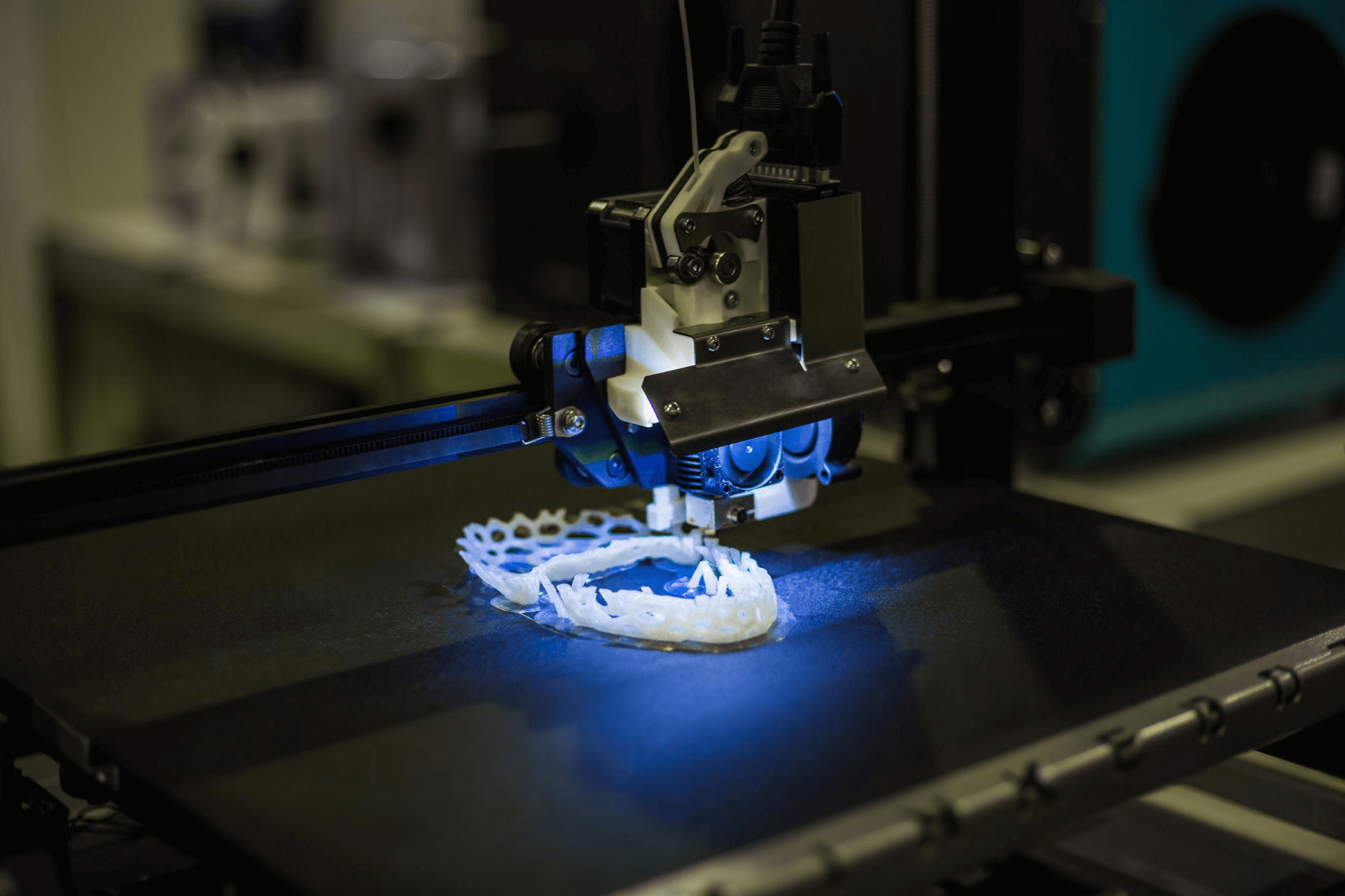
It handles casings and mechanical parts well, but functional electronics prototypes usually also need PCB fabrication and component assembly to test actual performance accurately.
Does prototyping actually save money long term?
It can reduce the cost of late design changes, but savings are not guaranteed. Compare prototype and testing costs with the potential cost of tooling changes, scrap and field failures.
Can prototyping help smaller startups compete with bigger companies?
Prototyping can help small teams test ideas before a larger production commitment. Budget, technical skills, sourcing and a focused test plan still determine what is practical.
What's the biggest misconception about prototyping timelines?
A common misconception is that every prototype adds avoidable delay. Well-scoped tests can prevent later rework, while poorly defined iterations can extend a schedule.
Plan an Electronics Prototype with UIDEA
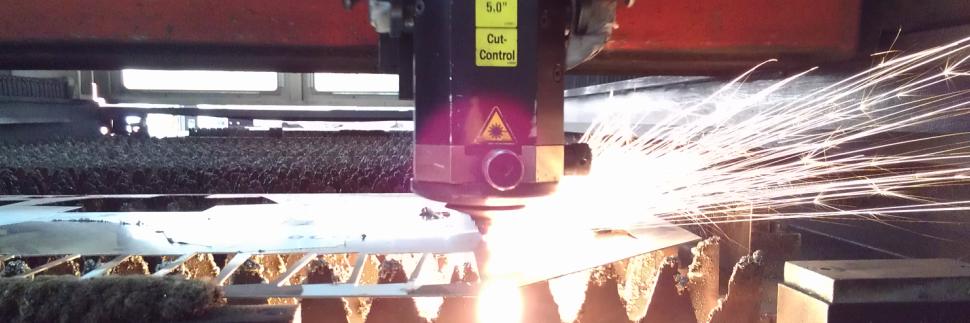
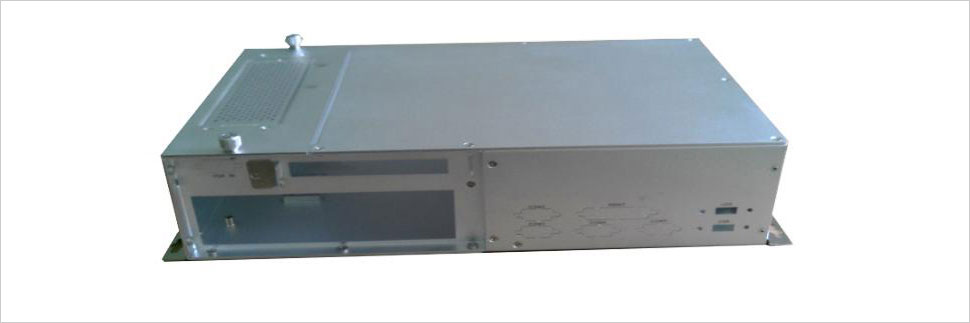
For mechanical parts and enclosures, explore our CNC machining services and sheet metal fabrication services. PCB design, assembly, firmware and electrical testing are separate workstreams whose scope should be confirmed with the relevant supplier.
Contact UIDEA with CAD files, material requirements, quantities, critical dimensions and the purpose of your prototype.