



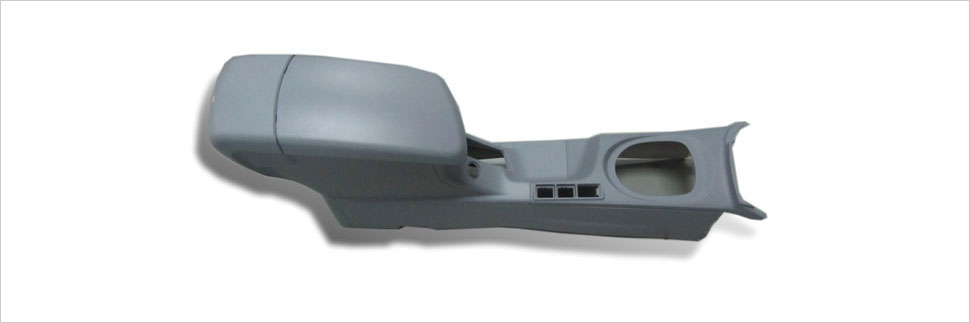
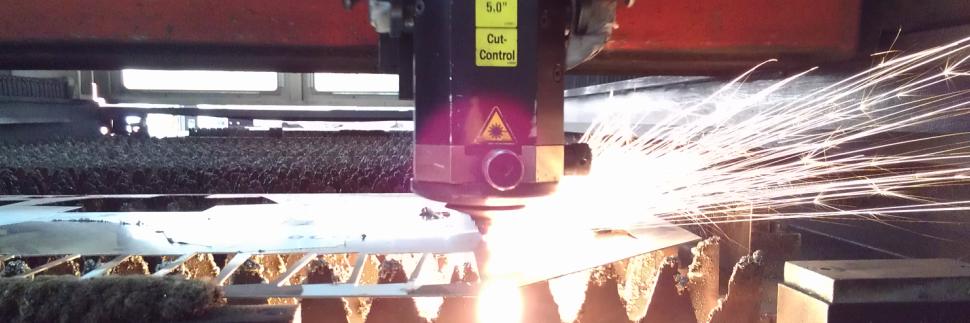
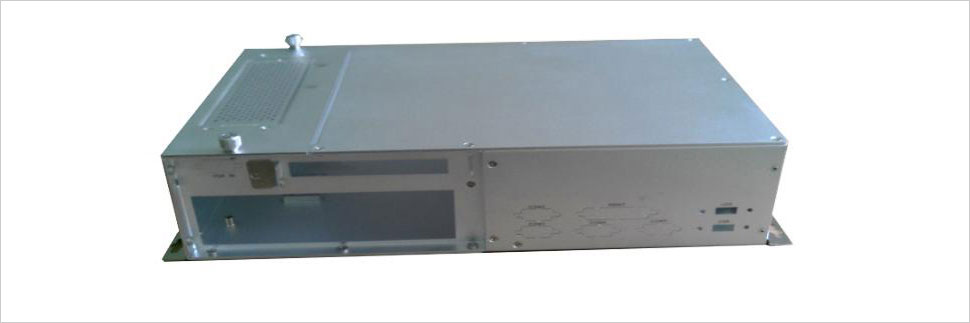
Small-batch manufacturing becomes challenging when every part needs customization but the project cannot justify the time and tooling investment of conventional production. SLS 3D printing offers a practical route from digital design to functional plastic parts, making limited quantities and complex geometries more manageable for product teams.
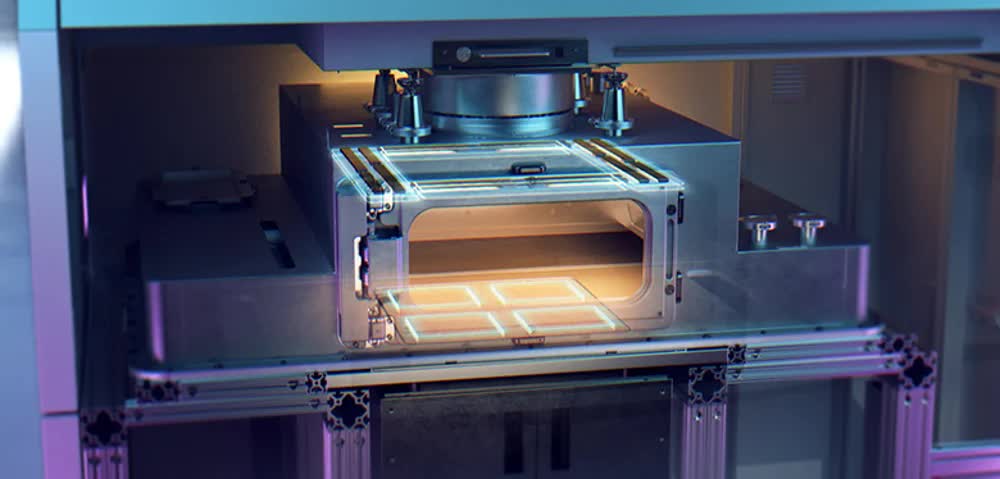
For prototypes, assembly tests and small production runs, a change to the CAD model can be reviewed and produced without creating a new mold. This makes SLS useful when the part design is still evolving or when each batch has a different requirement.
What Makes SLS 3D Printing Suitable for Small Batches?
Selective Laser Sintering uses a laser to fuse powdered material, commonly nylon, into a finished component. SLS can build complex parts directly from CAD data and, because the surrounding powder supports the part during printing, traditional support structures are generally unnecessary.
This is particularly useful for projects that need:
- Customized components in limited quantities
- Functional prototypes for testing and assembly review
- Complex shapes, internal features or snap-fit details
- Plastic parts before committing to dedicated tooling
- Multiple design iterations before production
Because the design changes digitally, an updated version can be produced without the lead time of a new mold.
Why Design Freedom Matters
Customization often involves more than changing dimensions. A product may need different clips, brackets, housings, ducts or mounting features for a specific application. SLS supports complex geometries, internal channels and functional details that may be difficult to make with conventional methods.
For example, a team testing an equipment housing can revise mounting points or internal clearances, then produce another version directly from the updated CAD model. For a related discussion of functional strength and complex geometry, see how SLS 3D printing helps create strong and complex parts.
A Practical Alternative to Traditional Tooling
For very small quantities, investing in production tooling may not be practical. SLS can provide functional plastic parts for prototypes, pilot quantities, custom components and small-batch production support before a team commits to dedicated molds.
How SLS Compares With Plastic Extrusion Prototyping
Plastic extrusion prototyping and SLS address different manufacturing needs. Extrusion is useful when the product is based on a suitable continuous profile, while SLS is particularly useful for individual three-dimensional components with complex shapes. The right choice depends on part geometry, quantity, material requirements, tolerances and the intended application.
When Should You Consider SLS 3D Printing?
Consider SLS when customization, geometry and functional performance matter more than achieving a highly cosmetic surface. It can support applications such as automotive components, electronics housings, medical device prototypes, industrial parts, robotics and product development.
For an accurate review, provide the CAD file, quantity, material preference, surface finish, tolerance requirements, intended application and delivery expectations. Contact UIDEA to discuss whether SLS is suitable for the required parts.
Frequently Asked Questions
Is SLS 3D Printing suitable for customized parts?
Yes. SLS is well suited to customized functional plastic parts because the design can be modified digitally without creating new tooling. It can produce complex components, housings, brackets, clips, ducts and other parts in limited quantities.
Can SLS produce functional prototypes for product testing?
Yes. SLS is commonly used for functional prototypes where strength, geometry and fit need to be evaluated. It can help teams test assemblies and design features before committing to more traditional production methods.
Does SLS require support structures?
SLS generally does not require traditional support structures because the surrounding powder supports the part during printing. This enables complex geometries, internal channels and other functional features.
How does SLS differ from plastic extrusion prototyping?
SLS creates three-dimensional parts by selectively fusing powdered material, while extrusion prototyping is suited to products based on continuous profiles. The better option depends on geometry, quantity, material, tolerances and the intended application.
What information is needed for an SLS quotation?
A typical quotation needs the 3D CAD file, quantity, preferred material, surface finish, color, tolerance requirements, application and delivery expectations.