




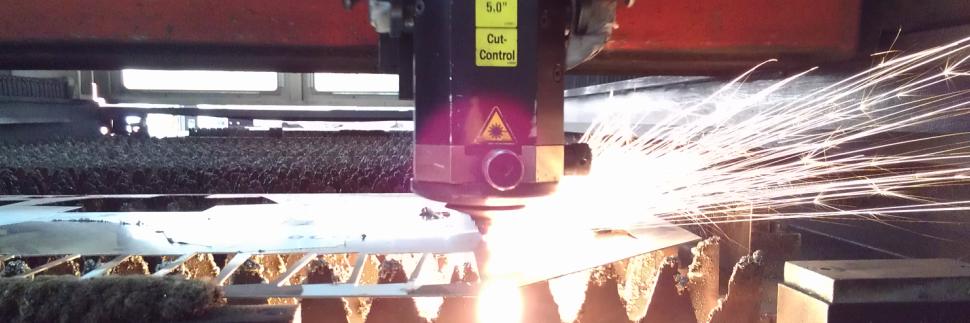
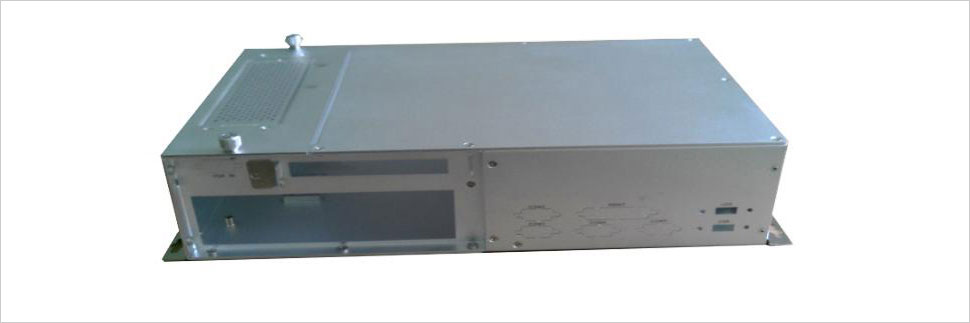
Every precision product begins as a flat idea waiting to take shape. Sheet Metal Production stands at the center of this transformation, turning raw material into components that define reliability, performance, and design integrity. From intricate electronic enclosures to large structural panels, this process fuels the quiet efficiency behind modern manufacturing.
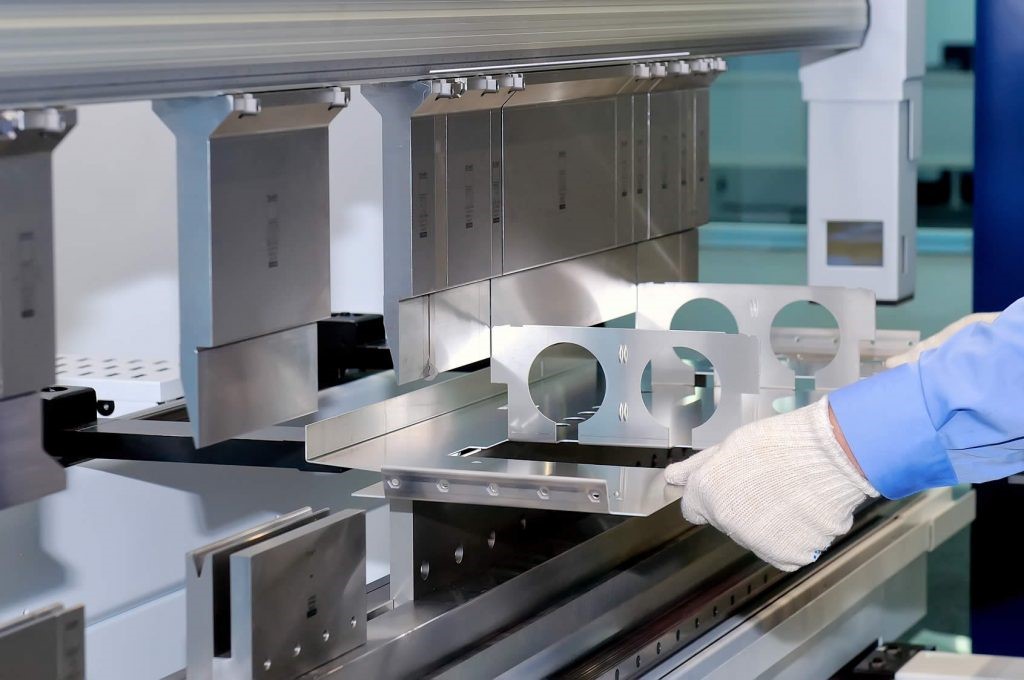
Process (生产工艺)
Advantages (优势)
Best For (最适合)
Laser Cutting
High precision, no tooling cost
Complex shapes, rapid prototyping
CNC Punching
Fast for standard holes/forms
High-volume, repetitive designs
Bending & Folding
Structural integrity
Enclosures, brackets, frames
The Foundation of Precision Engineering
| Process (生产工艺) | Advantages (优势) | Best For (最适合) |
|---|---|---|
| Laser Cutting | High precision, no tooling cost | Complex shapes, rapid prototyping |
| CNC Punching | Fast for standard holes/forms | High-volume, repetitive designs |
| Bending & Folding | Structural integrity | Enclosures, brackets, frames |
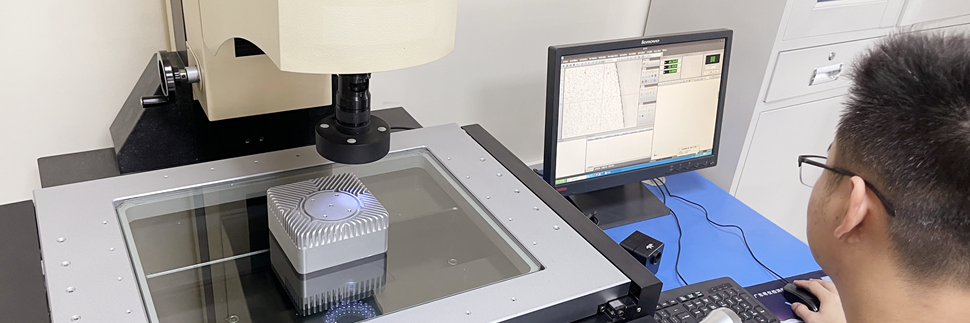
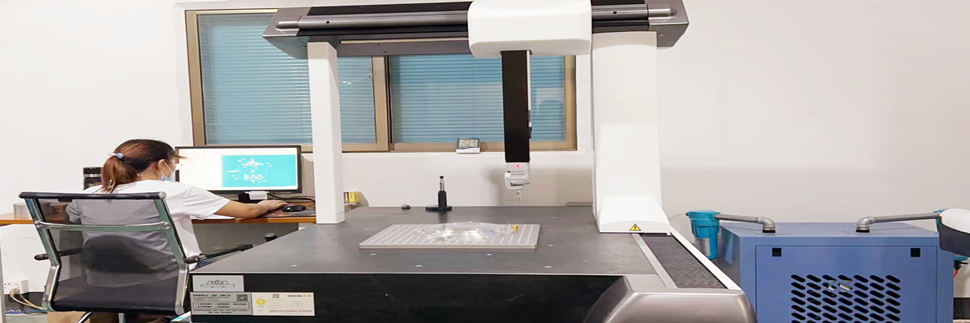
At its core, Sheet Metal Production is about controlled transformation. Metal sheets are cut, bent, and formed with remarkable accuracy, ensuring each component fits its purpose without compromise. What sets this process apart is its ability to maintain consistency at scale. Manufacturers depend on this repeatability to meet strict tolerances while maintaining product integrity.
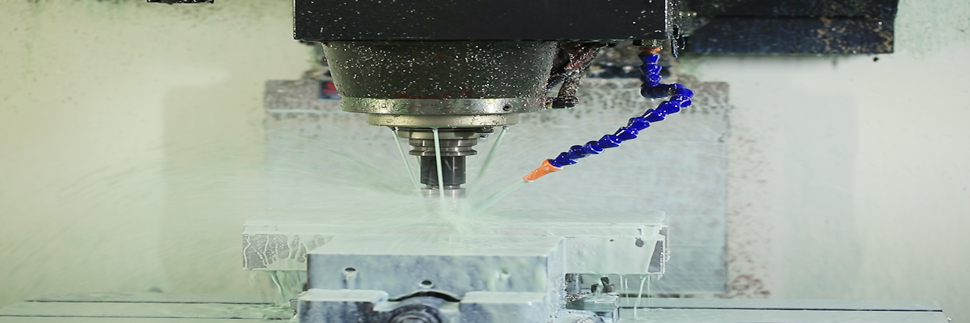
Advanced machinery, such as CNC cutters and automated press brakes, allows manufacturers to produce complex geometries with minimal variation. This precision is not just technical; it directly influences product lifespan and operational reliability.
Driving Efficiency Across Industries
Modern manufacturing thrives on speed without sacrificing quality. Sheet Metal Production supports this balance by enabling rapid fabrication cycles. Once a design is finalized, production can scale quickly, reducing delays between concept and delivery.
Industries such as automotive, aerospace, electronics, and construction rely heavily on this capability. Whether producing lightweight panels for vehicles or durable housings for machinery, sheet metal processes provide a dependable pathway from design to deployment.
Design Flexibility That Encourages Innovation
One of the most compelling strengths of Sheet Metal Production lies in its adaptability. Designers are not restricted to basic forms. Instead, they can experiment with shapes, folds, and finishes that enhance both function and appearance.
This flexibility encourages innovation. Engineers can refine designs without needing entirely new production systems. Small adjustments in tooling or programming can lead to entirely new outcomes, making the process both cost-effective and creatively liberating.
Quality That Builds Trust
Consistency is often the difference between an average product and a trusted one. Sheet Metal Production ensures uniformity across batches, which is critical for industries where precision matters.
Surface finishing techniques such as coating and polishing further enhance durability and visual appeal. These finishing steps not only protect against wear but also elevate the perceived value of the final product.
Where It All Leads
Manufacturing excellence is rarely about a single breakthrough. It is the result of dependable processes working in harmony. Sheet Metal Production plays a vital role in this ecosystem by offering precision, adaptability, and efficiency in equal measure.
As industries continue to evolve, the demand for reliable fabrication methods will only grow stronger. Businesses that invest in refined sheet metal capabilities position themselves to deliver consistent quality while adapting to changing market needs. In many production environments, complementary methods such as Injection Molding China further expand manufacturing possibilities, allowing companies to combine strength, detail, and scalability within a single workflow.
Frequently Asked Questions
1. What makes sheet metal production essential in modern manufacturing?
Sheet metal production enables precise fabrication of
components at scale while maintaining consistent quality. Its adaptability
across industries makes it a dependable solution for creating durable,
high-performance products with efficient turnaround times.
2. How does sheet metal production support product durability?
The process ensures uniform thickness and structural
integrity, which directly contributes to strength. Additional finishing
treatments enhance resistance to corrosion and wear, extending the lifespan of
manufactured components in demanding environments.
3. Can sheet metal production handle complex designs?
Yes, modern technologies such as CNC machining allow
intricate patterns, bends, and cuts. This capability supports innovative
designs without compromising accuracy, enabling manufacturers to meet both
functional and aesthetic requirements effectively.
4. Is sheet metal production cost-effective for large-scale
manufacturing?
It becomes increasingly economical as production
volume rises. Once tooling and programming are established, manufacturers can
produce large quantities efficiently, reducing per-unit costs while maintaining
consistent quality standards.
5. How does sheet metal production compare with other manufacturing
methods?
It excels in producing strong, lightweight components
quickly. While other methods may suit different materials or designs, sheet
metal production offers a balance of speed, precision, and flexibility that
supports diverse industrial applications.