



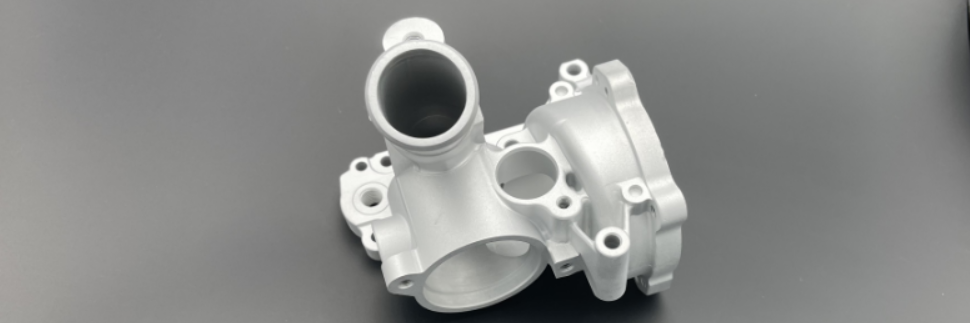
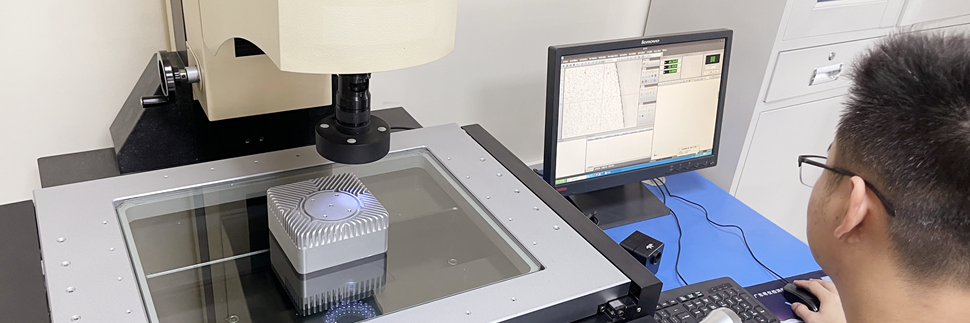
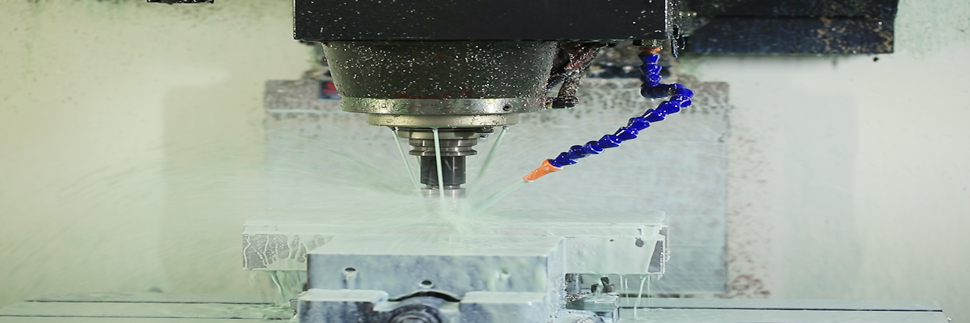
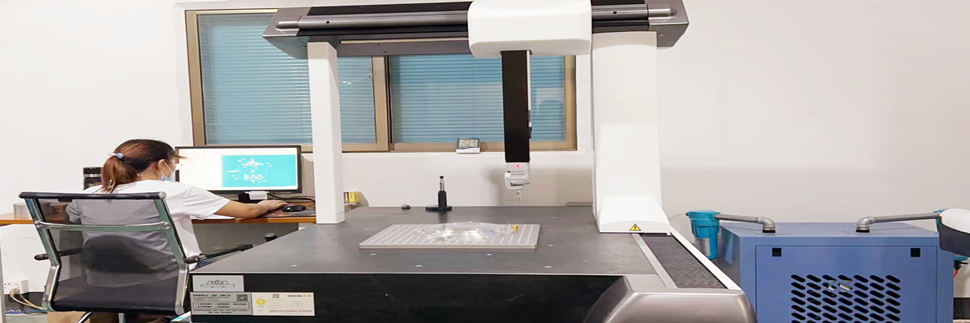
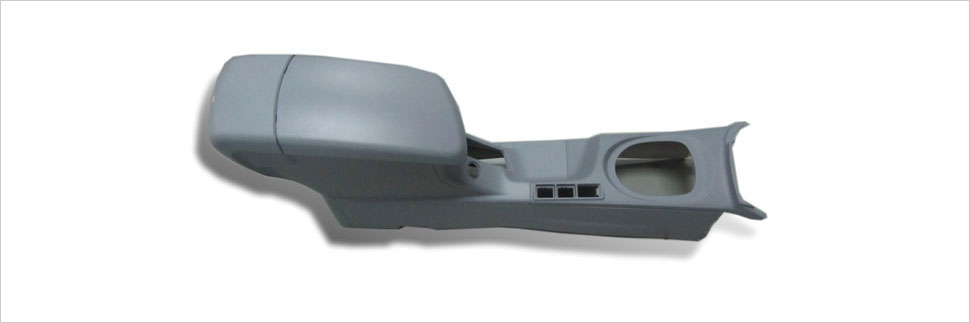
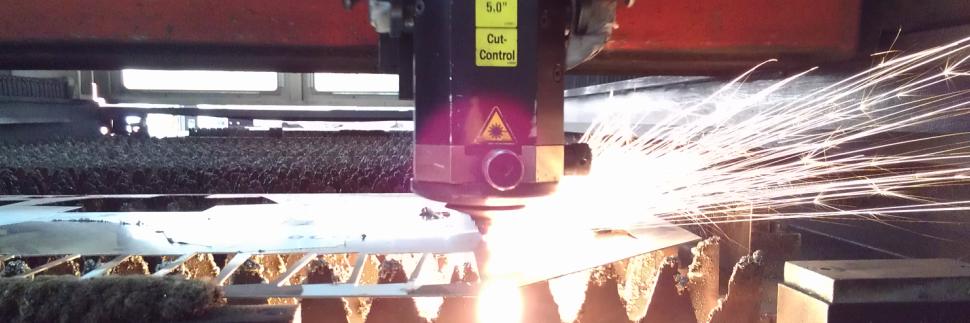
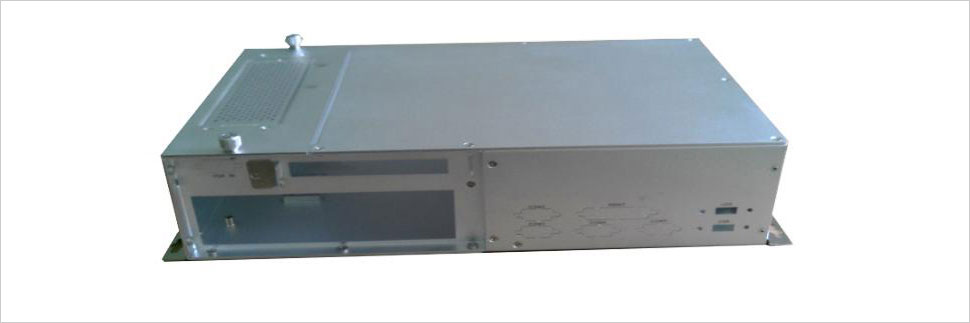
Accuracy is rarely coincidental. It is built, measured, adjusted, and improved.
Accuracy is no longer a luxury in modern manufacturing. It is the baseline. Here, sheet metal production subtly takes center stage, impacting how industries create, assemble, and deliver parts that fit flawlessly the first time.
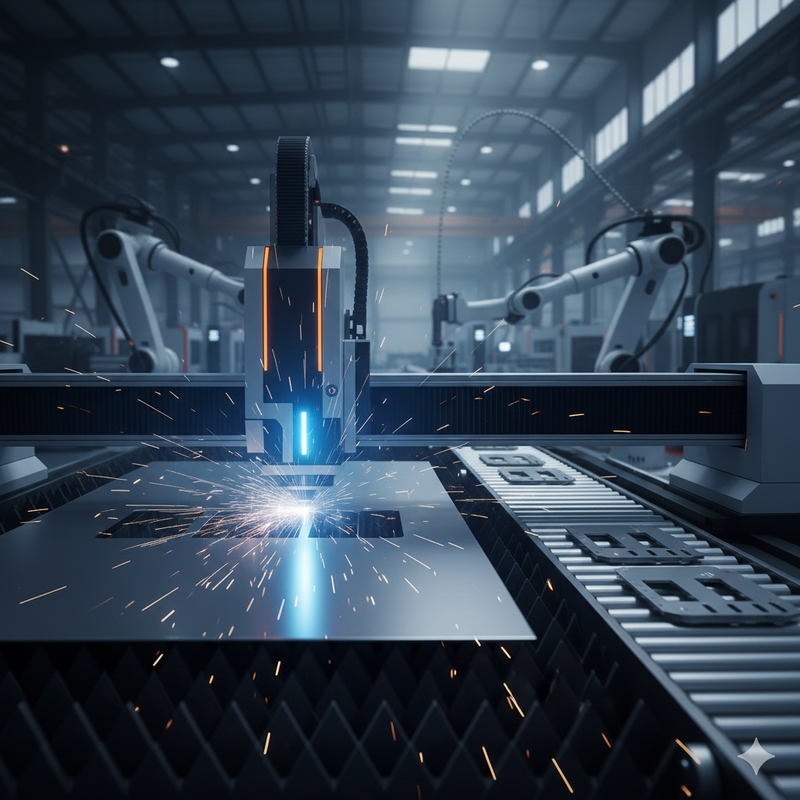
The Foundation of Measured Manufacturing
Although flat metal is the starting point for sheet metal production, its true worth is in its predictability. Manufacturers are able to produce parts that operate precisely as intended because of controlled thickness, consistent strength, and repeatable measurements. Even little variances can cause a complete assembly to malfunction when tolerances are tight. Sheet metal procedures assist in removing the uncertainty early in the production process.
From cutting and moulding to connecting and finishing, every step is guided by accurate calculations. Because of this uniformity, engineers can rely on the output, which lowers rework and increases long-term dependability throughout production cycles.
Why Multiple Industries Depend on It?
Precision is not limited to one sector. Sheet metal is used by automobile manufacturers for body panels that need to line up perfectly. Components used in aerospace applications must be stable under pressure and temperature changes. Manufacturers of electronics rely on precise enclosures that safeguard delicate systems without adding undue weight.
Precision-formed metal preserves design purpose while supporting structural integrity throughout construction. Medical equipment manufacturers rely on precise dimensions to comply with stringent regulations. Sheet metal production promotes accuracy in all of these businesses without needless complication.
Design Freedom Without Guesswork
One of the most underappreciated advantages of sheet metal fabrication is design confidence. Knowing that bends, folds, and cutouts will accurately translate from digital models to physical parts allows engineers to push boundaries. This stability shortens development cycles and fosters smarter experimentation.
Modular production is also made possible by precision. Global production coordination is made easier by the ability of components made at multiple sites to integrate without modification.
Efficiency That Comes From Accuracy
Precision does more than improve fit. It increases productivity. Material waste decreases, inspection time is shortened, and assembly speed increases when parts are correct the first time. Instead of emphasizing rectification, skilled labor focuses on refining.
Scalable manufacturing, where output can rise without compromising quality, is supported by this accuracy-driven efficiency. Production planning is stabilized and supply chains are strengthened over time by this equilibrium.
| Key Feature | Western Domestic Production | Uidearp (China) Production |
|---|---|---|
| Precision & Tolerance | High precision, but with a significant cost premium. | Micron-level accuracy (±0.1mm) using high-end global tech at 30-50% lower cost. |
| Lead Times | 4–8 weeks due to labor shortages and backlogs. | 1–3 weeks, thanks to a 24/7 industrial ecosystem and integrated logistics. |
| Supply Chain Integration | Fragmented; finishing (plating, painting) often outsourced elsewhere. | Seamless; DFM, fabrication, and all finishing are done in one manufacturing hub. |
| Scalability | Limited capacity for rapid transitions from prototype to mass production. | High scalability; easily handles low-volume prototypes to high-volume production runs. |
| Design for Manufacturing (DFM) | Often charged as an extra consulting fee. | Complimentary professional DFM review to optimize cost and quality from day one. |
The Quiet Advantage That Holds It All Together
Although sheet metal production rarely receives much attention, it is the foundation of almost every precision-driven business. Its capacity to consistently produce precise parts without sacrificing quality is its true strength. Rapid Tooling further enhances this advantage as manufacturing schedules shorten by facilitating quicker validation, faster modifications, and better transitions from design to production. When combined, they produce a manufacturing environment where perfection is ingrained from the start rather than pursued at the end.
The Strategic Advantage: Why China is the Global Hub for Precision Sheet Metal Production
When global OEMs and engineering firms seek sheet metal production partners, China—specifically manufacturing hubs like Dongguan and Shenzhen—remains the premier choice. The reason lies in the unique combination of advanced technology, massive scale, and a highly integrated industrial ecosystem.
At Uidea, we leverage these regional strengths to provide our international clients with several distinct advantages:
-
Integrated Supply Chain Ecosystem: In China, the entire lifecycle of sheet metal production happens within a small geographic radius. From sourcing certified raw materials (aluminum, stainless steel, copper) to specialized surface treatments like powder coating, anodizing, and laser engraving, our proximity to the world’s best suppliers ensures shorter lead times and lower logistical costs.
-
High-Tech Precision at Scale: We have invested in world-class fiber laser cutting and CNC bending machinery that allows us to maintain tight tolerances—often as low as ±0.1mm. This level of precision is comparable to Western facilities but is delivered with the scalability that only China’s manufacturing infrastructure can provide.
-
Rapid DFM and Prototyping: Our engineering team specializes in Design for Manufacturing (DFM). We help global clients optimize their designs to reduce material waste and assembly time. Because of our agile workflow, we can move from a CAD drawing to a functional metal prototype in a fraction of the time required by local domestic shops in Europe or North America.
By choosing sheet metal production in China through a professional partner like Uidearp, businesses achieve the perfect balance of Western quality standards and Eastern manufacturing efficiency.
Frequently Asked Questions
Why is sheet metal production
considered precise compared to other methods?
Sheet metal production relies on controlled material
thickness and repeatable forming processes. This allows manufacturers to
maintain tight tolerances consistently, reducing dimensional variation across
large production volumes.
Which industries benefit most from
precision sheet metal production?
Automotive, aerospace, electronics, medical equipment,
and construction industries benefit heavily. Each depends on exact dimensions
for safety, performance, compatibility, and long-term durability.
How does precision reduce
manufacturing costs over time?
Accurate production minimizes rework, lowers material
waste, and shortens inspection cycles. These improvements reduce operational
costs while improving overall output reliability.
Can sheet metal production support
complex designs?
Yes. Modern forming and cutting techniques allow
complex geometries to be produced accurately, giving designers flexibility
without compromising manufacturability or part consistency.
How does precision impact assembly and
supply chains?
Precise components fit correctly without adjustment.
This speeds up assembly, supports modular manufacturing, and allows parts from
different suppliers to integrate smoothly.