



Injection Molding China: How Critical Design Decisions Impact Project Success
One design decision impacts whether your product succeeds or fails. Injection molding is a manufacturing technique that produces precise parts at scale by injecting molten material into a product. It is widely used across industries such as:
● Automotive
● Medical
● Consumer electronics
● Packaging
● Industrial equipment
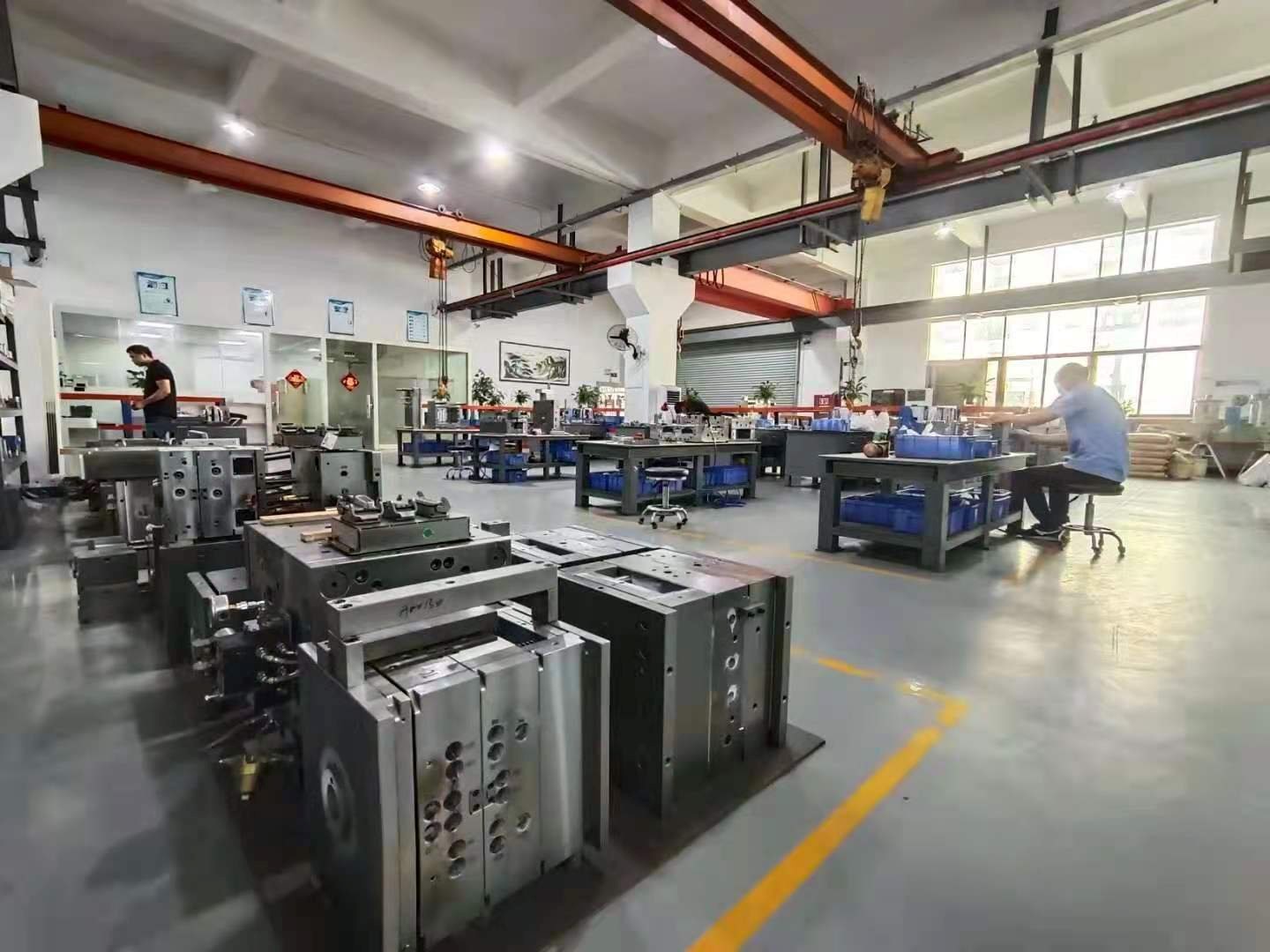
Because early errors can compound at the production scale, design decisions are significantly more important when considering injection molding in China. In this blog, we will understand how the correct design strategy can ultimately save money, time, and frustration.
Wall Thickness Decisions Affect Everything
You may consider wall thickness as a small detail, but it directly impacts part strength, cooling time, and material flow. Warping, sink marks, and longer cycle times might result from uneven or excessively thick walls. In order to boost strength, designers frequently add thickness, although this might cause internal tension during cooling. Rather, uniform wall thickness guarantees improved surface quality and predictable material behavior.
Part Geometry Affects Mold Performance
Although complex designs may appear spectacular on screen, they can make part ejection and mold fabrication more difficult. Defects and mold wear are more likely in areas with sharp corners, deep ribs, and undercuts. The goal of smart geometry design is to strike a balance between manufacturability and functionality. Over-extended production runs, a design that respects mold mechanics, lowers downtime, maintenance expenses, and rejected parts.
Material Selection Must Match Design Intent
Choosing materials should never be a last-minute decision. Under circumstances of heat, pressure, and cooling, each plastic behaves differently. If a design is successful with one resin, it might not be with another. For instance, for stiff polymers to come out of the mold smoothly, the right draft angles are required. For strength, flexible materials could need thicker portions. Designers must take into account how the geometry and planned usage of the component interact with material shrinkage, strength, and finish.
Draft Angles and Ejection Planning Are Non-Negotiable
Draft angles facilitate the seamless release of molded items from the mold. Ignoring them results in delayed production cycles, ruined molds, and scratched surfaces. Because designers only pay attention to the finished product and not how it comes out of the mold, many projects fail. Efficiency may be significantly increased with even a little draft modification.
Early Validation of Designs Saves Actual Money
Design validation is the point where theory meets reality. Before full production starts, problems are found by testing designs using prototype tooling and simulations. This process identifies filling difficulties, stress spots, and airflow issues. Key validation checks include:
● Analysis of mold flow
● Evaluation of gate placement
● Cooling efficiency review
Skipping validation can result in expensive rework, delays, and compromised product performance.
Final words
Design decisions are strategic choices that determine cost, quality, and scalability. Because of manufacturing scale and tooling expenditure, careful design becomes even more crucial when dealing with injection molding in China. Strong wall design, creative geometry, appropriate material selection, appropriate draft angles, and early validation all work together to prevent project failure. Particularly for automotive injection molds, investing time in design up front results in fewer surprises and better results over time.
FAQs
What makes design so important in injection molding projects?
Design has an impact on:
● Failure rates
● Manufacturing speed
● Part quality
● Mold cost
Therefore, costly tooling adjustments and frequent manufacturing issues are often the result of poor design decisions.
Can minor design modifications actually affect the cost of production?
Yes. Cycle time, material waste, and mold maintenance expenses may all be greatly decreased by making small changes to draft angles or wall thickness.
What is the best time for design validation?
Prior to the start of final tooling, design validation should take place. Prior to full-scale production, early testing aids in identifying flow, cooling, and stress issues.
Are draft angles required for all injection-molded parts?
Draft angles are necessary for nearly all parts to guarantee smooth ejection. Parts may stick, scratch, or harm the mold without them.
What impact does material selection have on design choices?
Different materials flow, cool, and shrink in different ways. To prevent warping, weak spots, or surface flaws, the design must adjust to the behavior of the material.
Ready to turn your design into successful production parts? Contact UIDEAR for expert advice on injection molding in China and fast design validation.