




How China’s Advanced CNC Machining Delivers Consistency Where Manual Methods Fall Short
A production run can be subtly ruined by even the smallest inconsistency. Repetition in manufacturing does not mean performing the same task twice. It's about doing it flawlessly each and every time. This is precisely when manual methods start to falter and CNC machining China advances.
The Problem With Relying On Human Hands
Individual talent, concentration, and physical stamina are crucial for manual machining. From one shift to the next, even the most seasoned machinist must deal with weariness, fluctuations in hand pressure, and subtle shifts in judgment. Although these differences might seem insignificant, they result in uneven dimensions, surface imperfections, and expensive rework over hundreds of components.
Manual inconsistency turns from a craft advantage to a bottleneck when parts must fit together without correction.
CNC Machining Replaces Guesswork With Logic
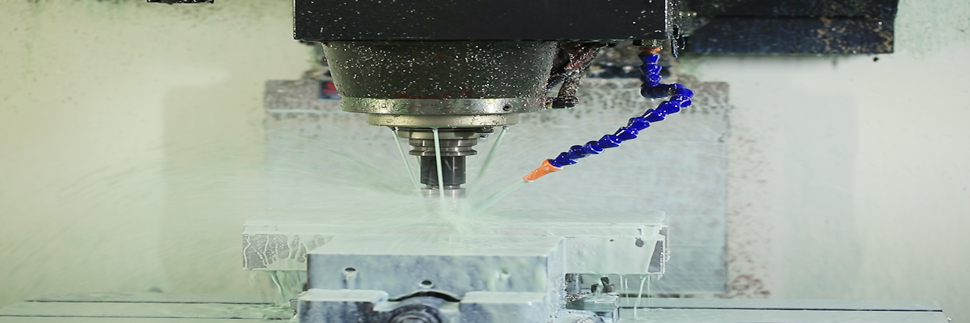
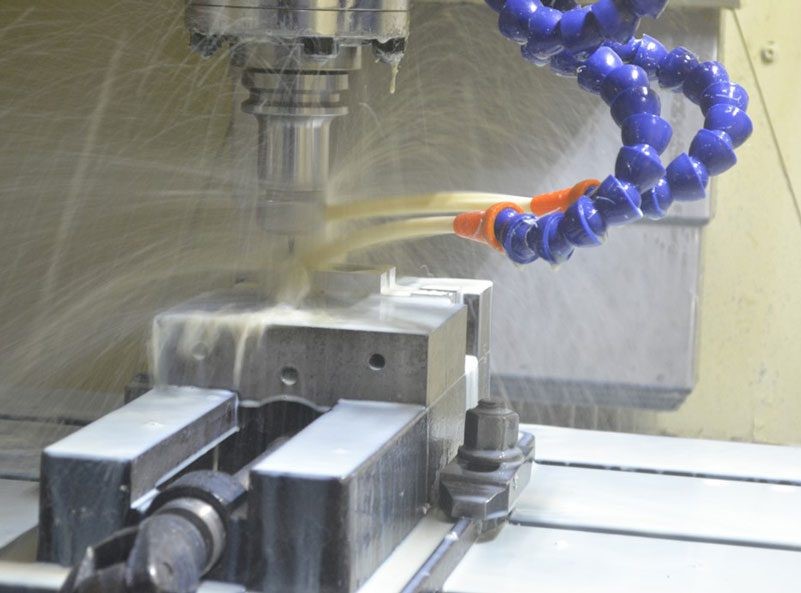
CNC machining relies on programmed accuracy rather than snap decisions. The machine consistently reproduces the same motion, speed, and depth once the digital instructions are established. Every component replicates the one before it regardless of time, batch size, or operator changes.
This repeatability is why manufacturers sourcing CNC Machining China often prioritize consistency over short term savings. The capacity to precisely replicate intricate designs guarantees consistent quality throughout international supply chains.
Why Consistency Matters More Than Speed?
Meeting measurements is only one aspect of consistency. It has an impact on long-term dependability, performance, and assembly. Even minor component variations can result in noise, friction, or early product failure.
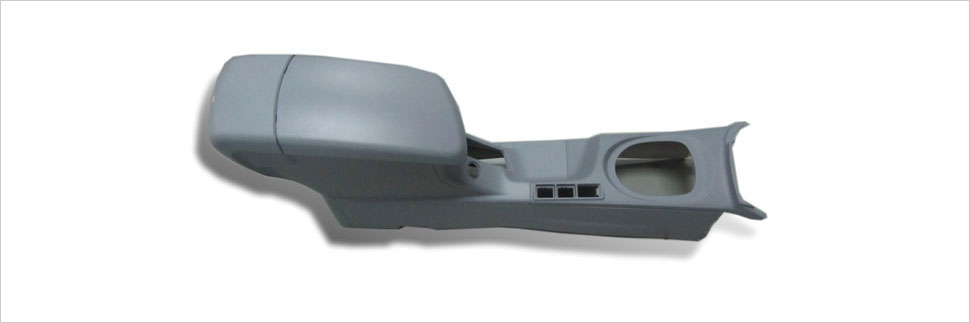
Industries producing Automotive Injection Mold components depend on CNC machining for this reason. Mold cavities must have consistent geometry to ensure that every injected part performs the same. Simply said, manual methods are unable to sustain that degree of control over numerous cycles.
Controlled Precision Reduces Hidden Costs
Parts that are inconsistent do more than merely waste materials. They strain client faith, take up inspection time, and cause delivery delays. CNC cutting reduces these losses by automatically maintaining tight tolerances. Machines don't rush. They don't improvise. They are mechanically disciplined and obey orders.
Because of this dependability, producers can safely plan production schedules since they know that the output will meet expectations without requiring frequent adjustments.
Scalability Without Compromise
Manual approaches might be effective for short batches or prototypes, but as volume grows, they become problematic. CNC machining scales effortlessly. Quality doesn't vary, whether ten components or ten thousand are produced. Scalability is crucial for companies entering new markets or controlling demand fluctuations.
| Feature | Manual Machining | CNC Machining (China) |
|---|---|---|
| Precision / Tolerance | Dependent on operator skill (±0.1mm - 0.5mm) | Computer-controlled accuracy (±0.01mm - 0.05mm) |
| Consistency | Varies between parts due to fatigue | 100% repeatable for thousands of parts |
| Scalability | Low - Requires one operator per machine | High - Automated 24/7 production capability |
| Complex Geometries | Extremely difficult/limited | Easily handles 3D curves & complex internals |
| Cost (Large Runs) | High (Labor intensive) | Low (Economies of scale in China) |
Where Precision Meets Peace Of Mind
Craftsmanship cannot be replaced by CNC machining. It's about maintaining accuracy that goes beyond human capabilities. Manufacturers achieve stability, accuracy, and consistent success by eliminating process variability.
Let’s Talk Manufacturing That Holds Its Shape
CNC machining provides a solid basis if your production needs consistency that doesn't change over time. The right machining partner transforms accuracy into confidence batch after batch.
The Bottom Line!
There will always be a place for manual machining, particularly in artistic or specialized work. However, CNC machining becomes essential when quality is defined by consistency. It ensures that every part functions precisely as planned by converting intricate plans into identical realities.
Frequently Asked Questions
Why
is CNC machining more consistent than manual machining?
CNC machining follows programmed instructions
precisely, removing human variation caused by fatigue or judgment. This allows
every part to be produced with identical dimensions, finishes, and tolerances
across multiple production runs.
How
does CNC machining support large scale manufacturing?
Once programmed, CNC machines can repeat the same
operation endlessly without loss of accuracy. This makes them ideal for high
volume production where uniformity and predictable output are critical.
Is
CNC machining suitable for complex component designs?
Yes, CNC machining handles intricate geometries with
ease. Computer controlled movements allow detailed cuts and curves that manual
methods struggle to reproduce consistently.
Why
do automotive manufacturers rely on CNC machining?
Automotive components demand precise fit and long term
reliability. CNC machining ensures parts like Automotive Injection Mold tools
meet exact specifications, reducing defects during mass production.
Does
CNC machining reduce production costs over time?
While initial setup requires investment, CNC machining
lowers long term costs by minimizing material waste, rework, and inspection
delays caused by inconsistent manual manufacturing.