





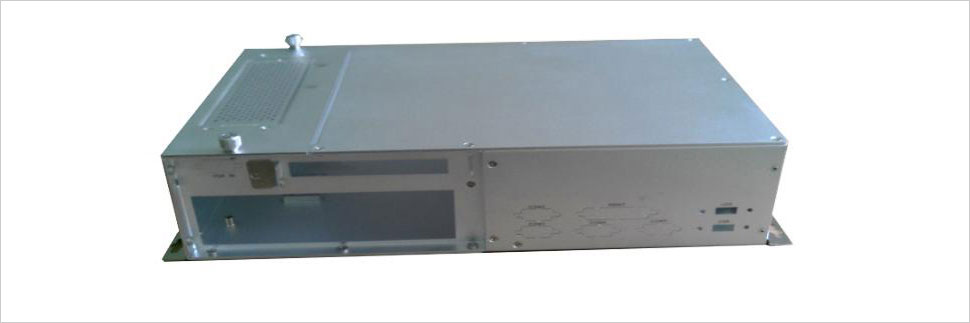
Winners are determined by speed. The capacity to turn a concept into a tangible product is now a competitive advantage rather than a luxury in a manufacturing world where product ideas age quickly. Rapid tooling China enters the picture here, subtly changing the way that modern production plans, thinks, and produces.
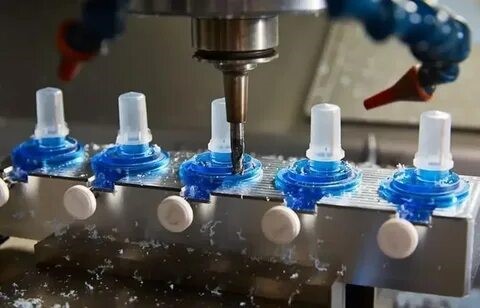
A Shift From Waiting to Acting
Patience has always been necessary when using traditional tools. Companies were frequently compelled to commit early and hope for the best due to lengthy lead times, hefty upfront costs, and little opportunity for iteration. That is reversed by rapid tooling. It enables firms to test designs earlier, produce molds and tools faster, and improve items while the market is still being discussed.
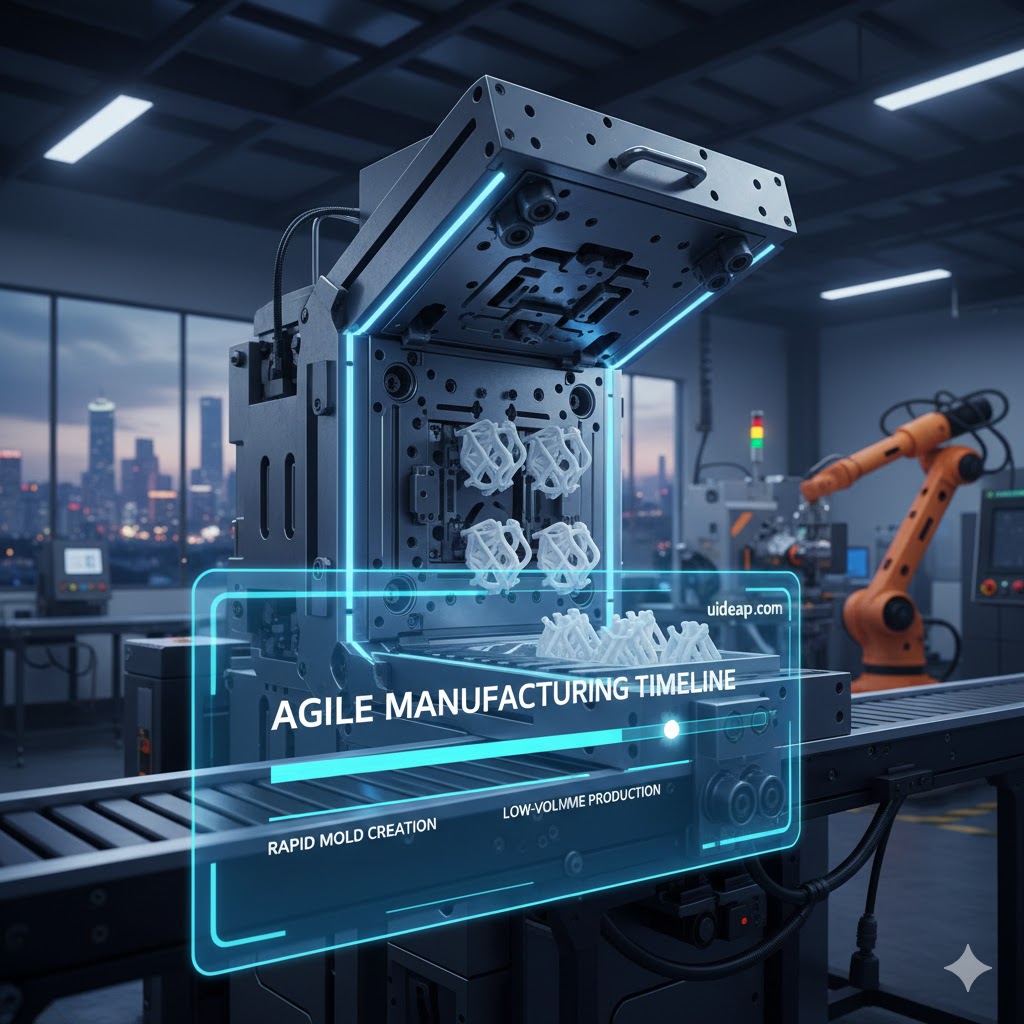
Agile manufacturing, where adaptability is just as important as accuracy, has been spurred by this shift. Teams can experiment, learn, and make adjustments without depleting funds or momentum by not locking down designs too soon.
Why Rapid Tooling Feels Built for Today’s Market?
There are shorter product cycles. Consumer expectations have become more acute. Errors are more expensive. Rapid tooling promotes this environment by allowing low-volume and bridge manufacturing without the burden of full-scale tooling commitments. Engineers become more confident because designs are verified under real manufacturing settings. Decision makers gain clarity when data takes the place of preconceptions.
For this reason, a lot of international manufacturers now turn to Rapid Tooling China. Responding to change instead of reacting to it is made possible by the combination of technological capability, material expertise, and turnaround speed. The emphasis is on making wiser choices at every level, not just quicker tools.
To help you choose the right path for your agile manufacturing journey, here is how rapid tooling compares to 3D printing and traditional mass-production methods.
| Feature | 3D Printing (SLA/SLS/FDM) | Rapid Tooling (Aluminum/Soft Steel) | Traditional Tooling (Hardened Steel) |
|---|---|---|---|
| Best Use Case | Conceptual models & visual prototypes. | Functional testing & low-volume production. | Mass production & high-volume consistency. |
| Production Volume | 1 – 10 parts | 100 – 50,000+ parts | 100,000+ parts |
| Lead Time | 1 – 3 Days | 2 – 4 Weeks | 8 – 12+ Weeks |
| Initial Tooling Cost | Zero | Low to Moderate | High |
| Cost Per Part | High | Low | Very Low |
| Material Properties | Simulated properties | Production-grade materials | Production-grade materials |
| Design Flexibility | Infinite (No draft needed) | High (Easily modified) | Low (Expensive to modify) |
Iteration Becomes a Strength, Not a Risk
The ability of rapid tooling to alter one's perspective is one of its most underappreciated benefits. Teams get more daring when iteration becomes more economical. Improvements to the design no longer feel disruptive. They have a natural feel.
Manufacturers can release, monitor performance, refine, and improve rather than waiting for a flawless design. Better products and increased confidence in production readiness are the results of this cycle.
Waste is also decreased by this method. Errors are detected early. The usage of resources is deliberate. Teams work together more closely because feedback loops are shorter and more transparent.
Bridging the Gap to Full-Scale Manufacturing
Rapid tooling frequently serves as a testing ground as businesses get closer to scaling production. It reduces surprises while preparing designs for scale. With the help of knowledge acquired during previous tooling stages, Production Tooling joins the discussion at this point. Instead of being hurried, the transition becomes informed.
Where Agile Manufacturing Is Headed
Speed is not the only factor in agile manufacturing. Control, flexibility, and careful execution are key. All three are supported by rapid tooling. It gives producers the opportunity to remain responsive without compromising responsibility or quality.
The Bottom Line!
Rapid tooling is no longer a quick fix. It is quickly becoming the norm for manufacturers who value learning, flexibility, and smart expansion. Adopting it doesn't just make people move more quickly. They are making deliberate movements.
Frequently Asked Questions
What
is rapid tooling used for in manufacturing?
Rapid tooling is used to create molds and tools
quickly for testing, low-volume production, and early manufacturing stages. It
helps validate designs under real conditions before committing to full-scale
tooling.
How
does rapid tooling support agile manufacturing?
It allows manufacturers to iterate designs, test
materials, and adjust processes quickly. This flexibility supports faster
decision-making and reduces the risk associated with early design commitments.
Is
rapid tooling suitable for complex parts?
Yes, many complex components benefit from rapid
tooling. Advances in machining and tooling materials allow high accuracy while
supporting faster development cycles and controlled experimentation.
Why
do companies choose Rapid Tooling China?
Manufacturers choose China for its balance of
technical expertise, production speed, and cost efficiency. It enables faster
turnaround without compromising engineering standards or material quality.
Does
rapid tooling replace traditional tooling?
No. Rapid tooling complements traditional methods. It
prepares designs for scale, reduces uncertainty, and ensures that when
traditional tooling begins, it is based on proven, tested designs.