



Ever wondered why so many startups and multinational companies build their earliest versions of a product in China? The reason for this is that the nation offers some of the quickest turnaround times in the world and generates millions of prototypes annually. You've come to the correct location if you're designing your own China prototype. This blog explains everything in simple terms, so you know precisely what to expect.
Begin with a Clear Design Brief
The design brief must include dimensions, drawings, materials, functions, and performance requirements. A prototype manufacturer can only construct what you explain clearly; therefore, your brief should address every possible doubt. If you don’t have technical drawings, consider hiring a designer. This process cuts down on revision cycles and avoids misunderstandings.
Understand the Types of Prototypes China Offers
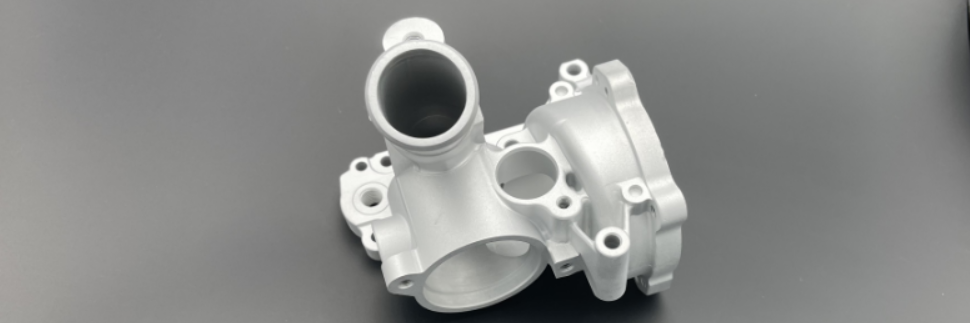
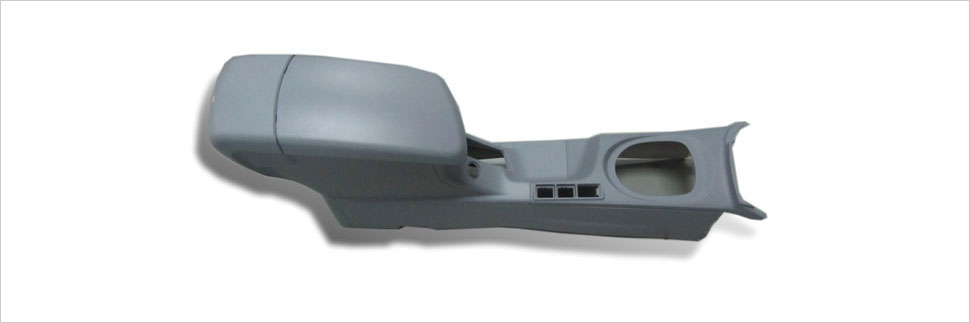
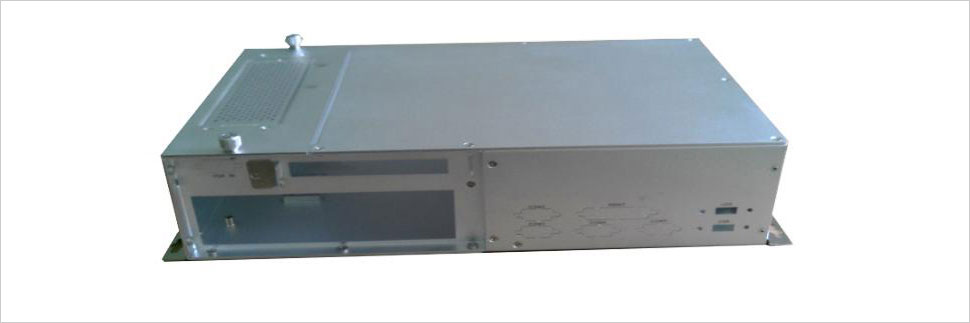
China offers many prototype categories, such as 3D-printed samples, CNC-machined parts, vacuum casting, and complete prototypes with electronics included.
● For quick and affordable shape testing, 3D printing is perfect.
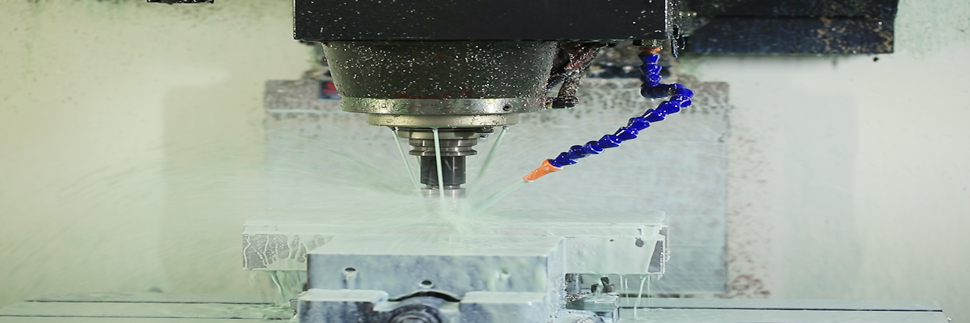
● For robust, long-lasting samples, CNC machining works best.
● For ten to twenty pieces that resemble finished goods, vacuum casting works well.
By knowing these options, you can pick the right approach based on what you want to test.
Ask About Material Options Early
Materials impact durability, beauty, and cost. Manufacturers in China frequently offer options you may not know about, such as improved polymers, lightweight metals, or eco-friendly composites. Don’t hesitate to ask for samples or images so you understand how each material behaves. By doing this, you won't be surprised when the prototype arrives.
Discuss Timelines and Revision Policies
Typically, prototypes require a number of modifications. Ask the factory how many changes they include, how long each will take, and what additional expenses may apply. Depending on complexity, a typical prototype in China might take anywhere from five days to four weeks.
Safeguard Your Intellectual Property (IP)
Many firms fear sharing their concept globally. You can stay secure by using NDAs, hiring reliable suppliers, and working through approved manufacturing platforms. Some factories also provide internal IP protection solutions.
Obtain Quotes From Several Vendors
Even for the same design, prices might differ significantly in China. You may identify misleading offers and discover the average cost by comparing 3-5 suppliers. Don't just go with the least expensive choice. Balance cost with communication quality, experience, and past work sample.
The bottom line
Building a China prototype is one of the smartest methods to test your product in a cost-effective and quick manner. You make better choices and avoid expensive blunders when you comprehend the steps, design clarity, material selections, timeframes, and IP protection. China’s manufacturing ecosystem provides you access to innovative technologies and qualified engineers who help bring ideas to life faster. And after your prototype is ready, you can explore full manufacturing or even moulding in China, which many organizations utilize to grow economically.
FAQs
How much time does it take in China to create a prototype?
Most basic prototypes take 5–10 days, whereas more complex versions with electronics or precise parts may take 2–4 weeks, depending on changes.
Can I share my product concept with producers without risk?
Yes, provided you secure the idea utilizing NDAs, trusted vendors, and clear documentation. Moreover, many factories follow rigorous secrecy procedures.
What is the average price of a prototype in China?
Prices vary depending on materials, intricacy, and production process. Simple 3D printing may cost about $100, but functioning prototypes might exceed several hundred dollars.
What information do vendors require before quoting?
They need designs, dimensions, materials, desired functions, and quantities. The clearer your brief, the more accurate the quotation will be.
Can I produce many versions of the same prototype?
Yes. A lot of factories include quick revision cycles that let you change the material, form, or function until you're happy with the finished product.