



How Rapid Prototyping Accelerates Product Development
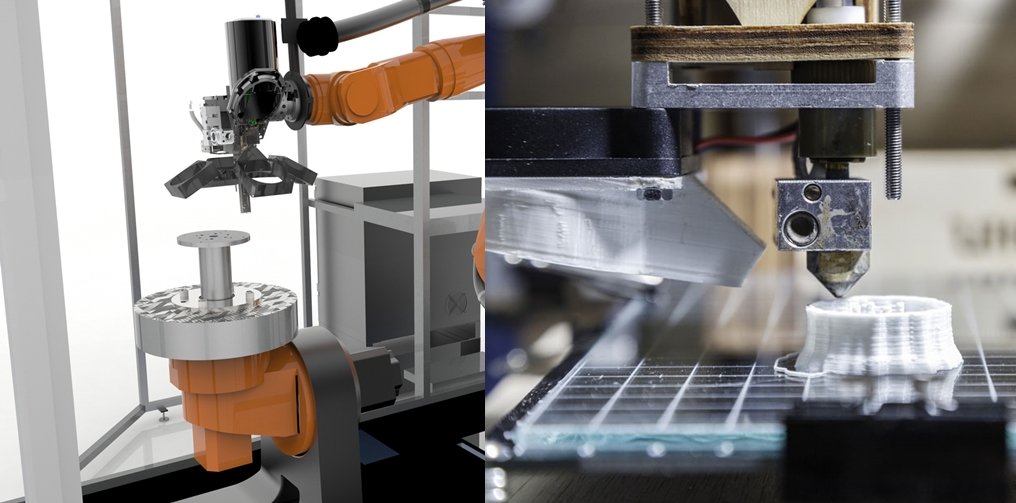
Rapid prototyping accelerates product development by turning digital designs into physical parts that teams can test before committing to production. Instead of relying only on CAD files or assumptions, engineers can check dimensions, assembly fit, material behavior, surface finish and usability in the real world.
For product teams, this early validation reduces redesign costs, shortens decision cycles and helps identify manufacturing risks before they become expensive production problems. This is why rapid prototyping is now a standard step for many automotive, medical device, consumer electronics, robotics and industrial product projects.
What Is Rapid Prototyping?
Rapid prototyping is the process of making physical sample parts quickly from a 3D model or engineering drawing. These parts may be used for visual review, functional testing, assembly verification, investor demonstrations, market feedback or pre-production validation.
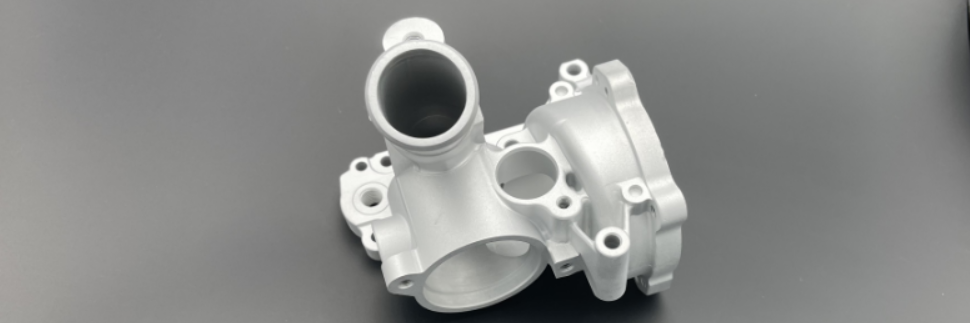
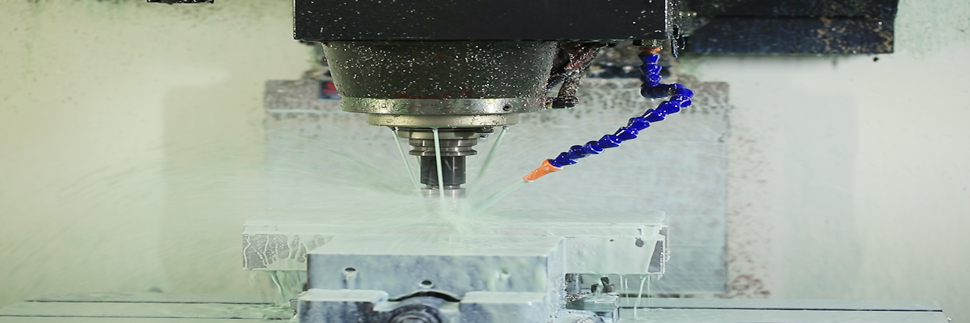
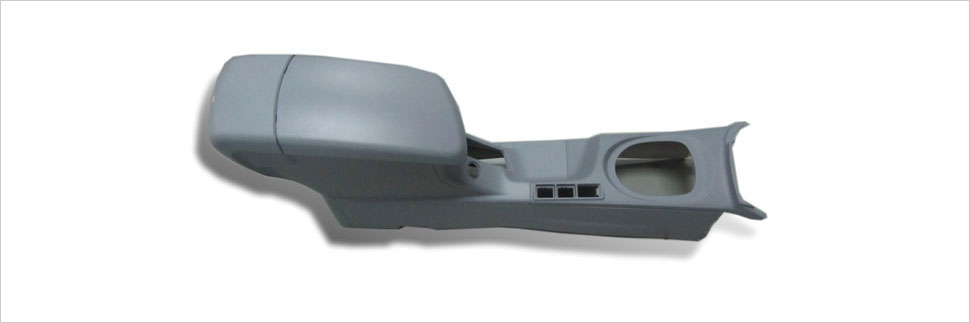
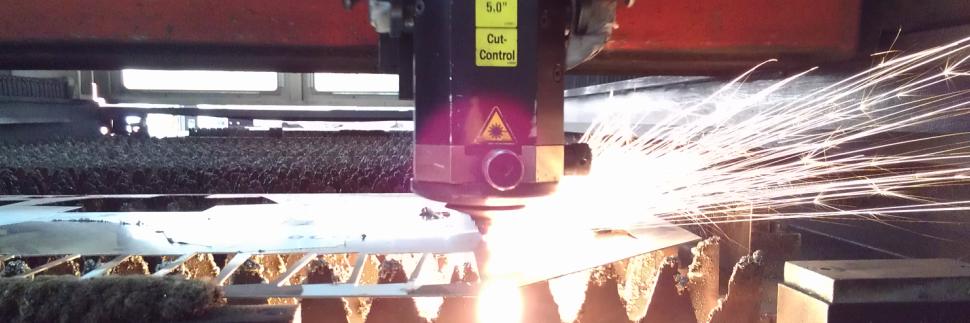
Common rapid prototyping methods include CNC machining, SLA 3D printing, SLS 3D printing, sheet metal fabrication and vacuum casting. The best method depends on the material, part geometry, accuracy requirement, surface finish and quantity needed.
Why Speed Matters in Product Development
Markets move quickly, and a slow development process can delay a product launch or allow competitors to move first. Rapid prototyping helps shorten the distance between concept and production by giving teams physical parts within days instead of waiting for full tooling or mass production preparation.
Fast prototypes make it easier to answer practical questions early:
- Does the part fit the assembly?
- Are the dimensions and tolerances correct?
- Is the material strong enough for the application?
- Does the surface finish meet the product requirement?
- Will the design be practical to manufacture at scale?
When these questions are answered before production, teams can make smaller changes at lower cost.
How Rapid Prototyping Reduces Product Risk
Product risk often comes from uncertainty. A design may look correct in CAD, but physical testing can reveal wall thickness issues, interference between components, weak mounting points, poor ergonomics or unexpected assembly problems.
Rapid prototyping reduces that uncertainty by giving engineers and decision makers real parts to inspect and test. The result is a more confident development process with fewer late-stage surprises.
| Development Risk | How Rapid Prototyping Helps |
|---|---|
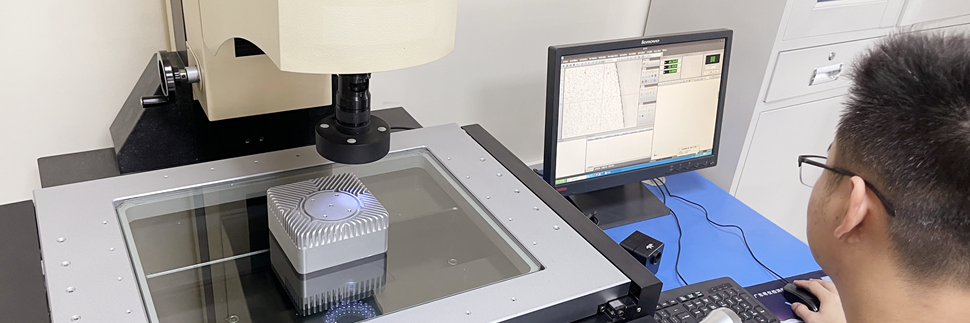
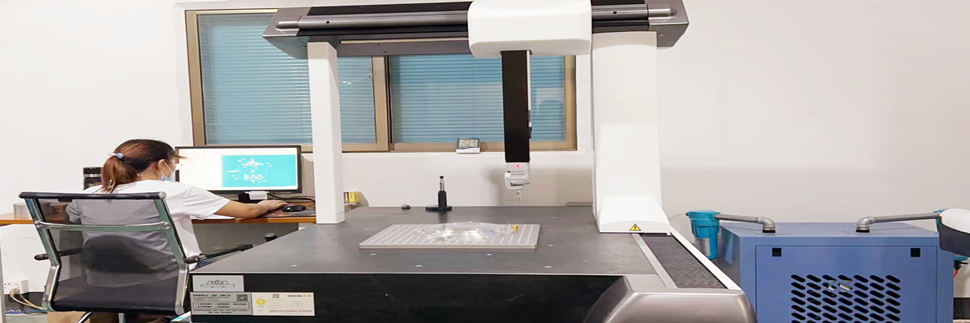
| Dimensional errors | Physical parts can be measured before production |
| Assembly problems | Components can be checked for fit and clearance |
| Material uncertainty | Teams can compare strength, weight and feel |
| Poor user experience | Designers can test handling, appearance and usability |
| Manufacturing risk | Engineers can identify features that may be hard to produce |
Choosing the Right Rapid Prototyping Process
Different prototyping processes solve different problems. A visual model does not always need the same process as a functional metal prototype. Choosing the right method helps control both cost and lead time.
| Process | Best For |
|---|---|
| CNC machining | Accurate metal and plastic prototypes, functional parts and tight tolerances |
| SLA 3D printing | Smooth visual models, complex shapes and quick design review |
| SLS 3D printing | Durable nylon parts, functional prototypes and complex geometries |
| Vacuum casting | Small batches of plastic-like parts for testing and market samples |
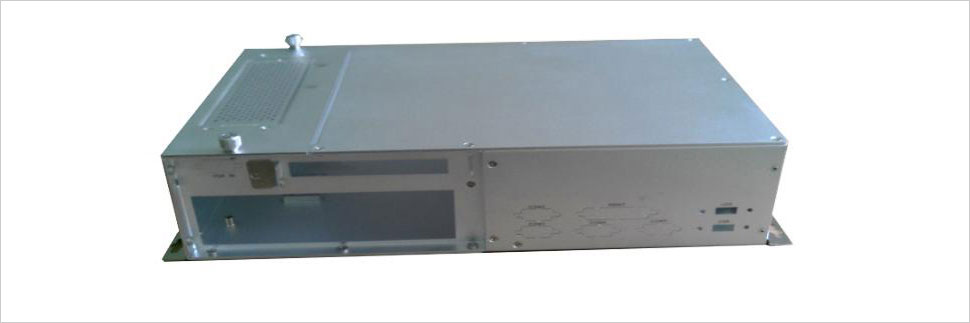
| Sheet metal fabrication | Brackets, enclosures, panels and formed metal prototypes |
UIDEA supports rapid prototyping through CNC machining, 3D printing, vacuum casting, sheet metal fabrication and low-volume manufacturing. This allows engineering teams to choose the process that fits the product stage instead of forcing every design into one method.
Better Collaboration Leads to Better Products
A digital file can explain a design, but a physical prototype creates a clearer conversation. Designers, engineers, buyers and customers can review the same part, point to specific issues and agree on changes more quickly.
- Designers can check appearance, proportions and usability.
- Engineers can review structure, tolerances and assembly.
- Buyers can compare cost and manufacturability.
- Customers or stakeholders can give feedback based on real handling.
From Prototype to Low-Volume Manufacturing
Rapid prototyping is not only useful for the first sample. It can also support bridge production and low-volume manufacturing when companies need parts before investing in full production tooling.
For example, CNC machining may be used for early functional prototypes and then for low-volume metal parts. Vacuum casting may be used for small batches of plastic-like parts before injection molding becomes economical. Sheet metal fabrication can support prototype enclosures and early production runs.
What Files Are Needed for a Rapid Prototyping Quote?
- 3D CAD files such as STEP, STP, IGES or X_T
- 2D drawings if tolerances, threads or critical dimensions are required
- Material requirements
- Surface finish requirements
- Quantity
- Application or testing purpose
- Expected delivery date
Clear project information helps the manufacturer recommend the right process and avoid unnecessary delays.
Final Takeaway
Rapid prototyping accelerates product development because it helps teams test earlier, improve faster and make production decisions with more confidence. By validating dimensions, materials, assembly fit and manufacturability before production, companies can reduce cost, shorten timelines and improve final product quality.
For teams developing new products, working with a rapid prototyping manufacturer that offers CNC machining, 3D printing, vacuum casting, sheet metal fabrication and low-volume manufacturing can make the transition from concept to production much smoother. Contact UIDEA to request a quote.
FAQs
What are rapid prototyping services used for?
Rapid prototyping services are used to create physical sample parts for design review, functional testing, assembly verification, market feedback and manufacturing analysis before mass production.
How does rapid prototyping reduce production costs?
Rapid prototyping reduces production costs by finding design, material and assembly problems before tooling or large-scale manufacturing begins. Early corrections are usually less expensive than late-stage production changes.
Which rapid prototyping process is best for metal parts?
CNC machining is often the best rapid prototyping process for accurate metal parts, especially when the prototype must meet tight tolerances or perform like a final production component.
Can rapid prototyping be used for low-volume manufacturing?
Yes. Processes such as CNC machining, vacuum casting and sheet metal fabrication can support low-volume manufacturing when companies need small batches before full production.
What file formats are commonly used for rapid prototyping quotes?
Common file formats include STEP, STP, IGES, X_T and STL. For parts with critical tolerances, threads or special features, a 2D drawing is also recommended.