



Quick answer: Metal 3D printing is ideal for complex geometries because it builds metal parts layer by layer from CAD data. This allows engineers to create internal channels, lattice structures, topology-optimized shapes and consolidated assemblies that are difficult or expensive to make with traditional machining, casting or molding.
A turbine blade with hidden cooling channels, a patient-specific medical implant, or a lightweight aerospace bracket with an internal lattice can all be designed around performance instead of tool access. That is the main reason metal 3D printing has become valuable for advanced prototyping and low-volume manufacturing.
Why Traditional Manufacturing Limits Complex Shapes
Conventional manufacturing processes usually depend on tool access, mold parting lines, draft angles, cutting paths, fixtures and assembly steps. If a cutter cannot reach an internal feature, or if a mold cannot release a shape cleanly, the design often has to be simplified.
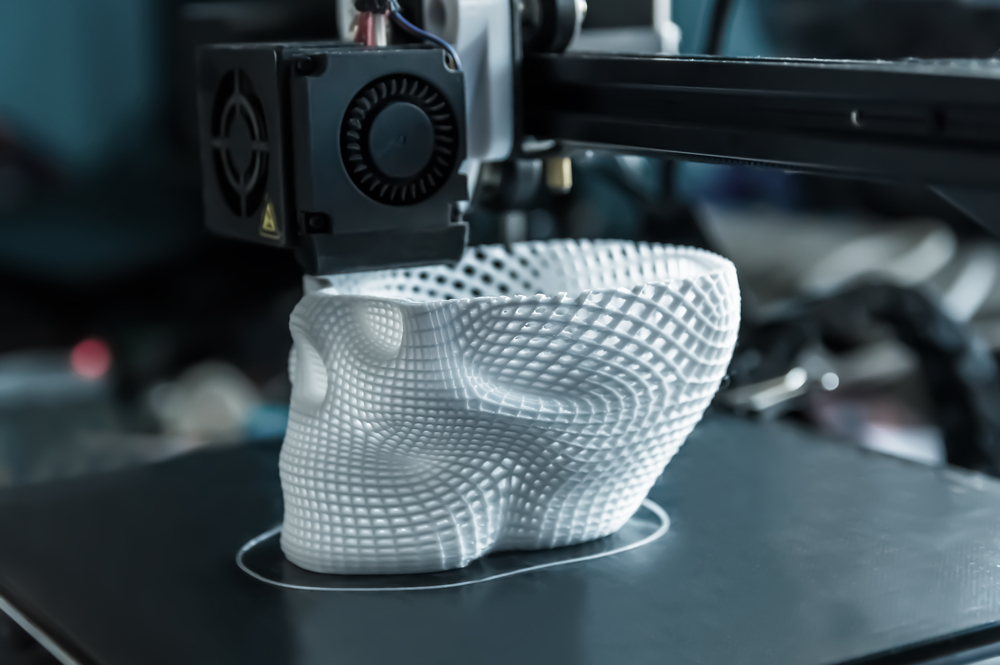
Metal additive manufacturing changes that design logic. Processes such as selective laser melting build parts from metal powder in thin layers, so the part can include features that would be impossible to machine from a solid block.
Complex Geometry Features Metal 3D Printing Can Produce
| Geometry feature | Why it matters | Typical application |
|---|---|---|
| Internal channels | Improves cooling, fluid flow or weight reduction without extra assembly. | Heat exchangers, turbine parts, conformal cooling inserts. |
| Lattice structures | Reduces weight while maintaining useful stiffness and strength. | Aerospace brackets, medical implants, lightweight fixtures. |
| Organic curves | Allows stress to flow through smoother forms with less wasted material. | Topology-optimized structural components. |
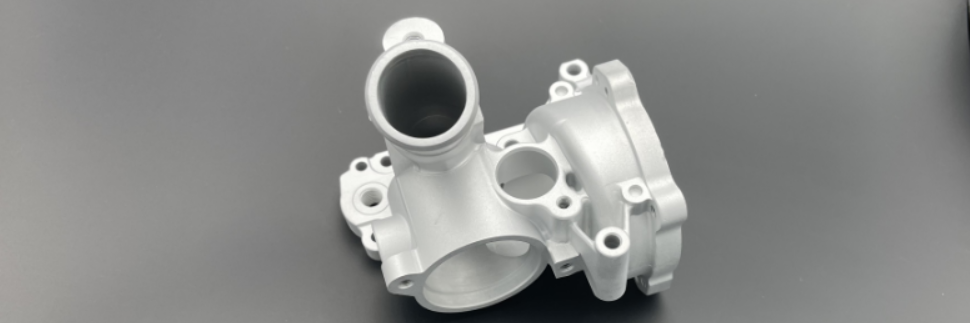
| Part consolidation | Combines several parts into one printed component, reducing joints and assembly work. | Manifolds, housings, brackets and functional prototypes. |
| Customized surfaces | Creates controlled texture or porous zones where useful. | Medical, tooling and engineering test components. |
Why Complex Geometries Matter in Engineering
Modern products are expected to do more while using less material. Aerospace teams want lighter components. Medical manufacturers need patient-specific shapes. Automotive and robotics teams often need compact parts with integrated mounting, airflow or cooling features.
Metal 3D printing supports these goals by allowing engineers to place material only where it is needed. For example, a lattice structure can reduce weight while keeping the load-bearing zones strong. A single printed manifold can replace several machined and welded parts, reducing assembly risk.
Precision Still Depends on Good Design for Additive Manufacturing
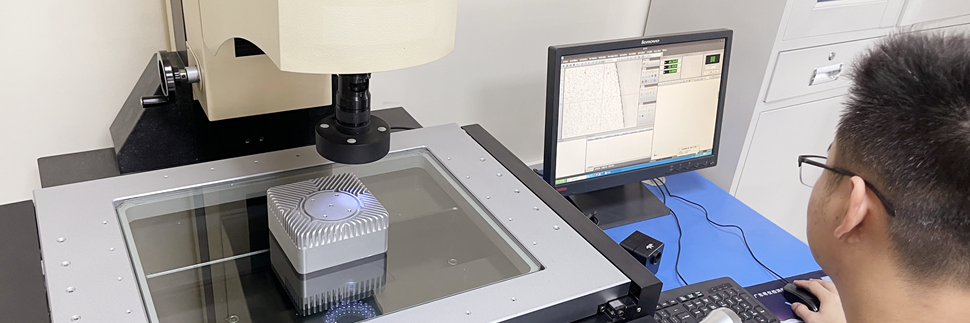
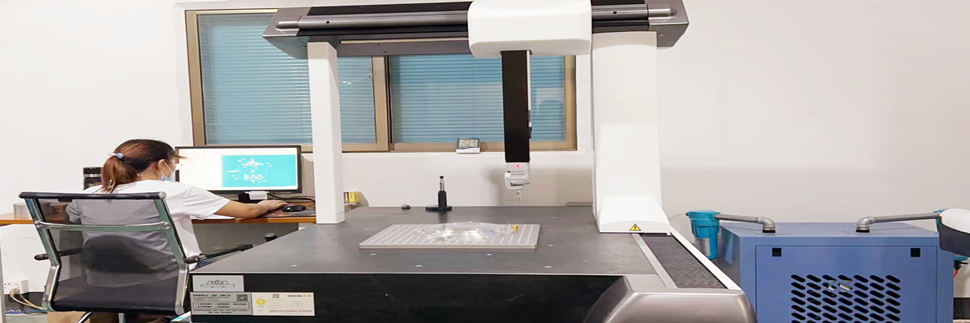
Complexity is possible, but it still needs engineering control. A successful metal 3D printed part should be designed with powder removal, support structures, wall thickness, orientation, heat treatment, surface finish and final inspection in mind.
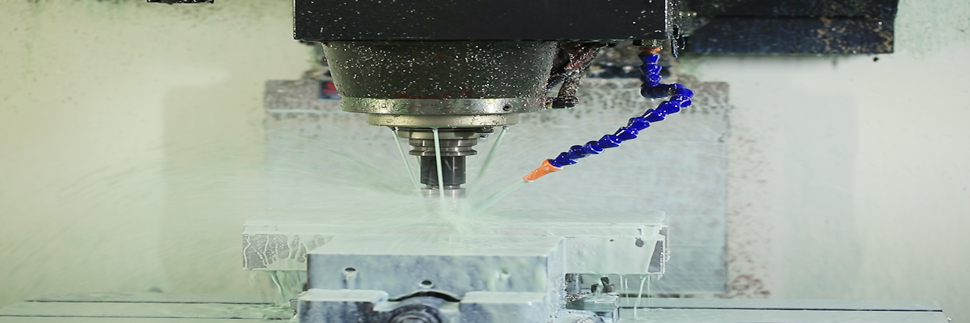
For functional parts, the best result often comes from combining metal 3D printing with post-processing such as CNC finishing, tapping, polishing, heat treatment or surface treatment. UIDEA can help evaluate whether a part should be printed fully, printed and machined, or made through another process such as CNC machining or rapid tooling.
When to Choose Metal 3D Printing Instead of CNC Machining
| Project need | Better fit | Reason |
|---|---|---|
| Internal channels, lattice forms or enclosed geometry | Metal 3D printing | Additive manufacturing can build features that cutting tools cannot reach. |
| Tight surface finish on simple external geometry | CNC machining | Machining is often faster and more economical for simple precision parts. |
| Low-volume functional metal prototypes with complex features | Metal 3D printing plus finishing | Tooling is not required and design revisions are faster. |
| High-volume plastic parts | Rapid tooling or injection molding | Molding is usually more efficient once the design and volume justify tooling. |
Material Efficiency Creates Additional Value
Subtractive manufacturing removes material from a larger block. Metal 3D printing uses material mainly where the part requires it, which can reduce waste when using expensive metals such as titanium, stainless steel, aluminum or nickel alloys.
This material efficiency is especially useful for design validation and low-volume production, where engineers need to test advanced shapes without committing to expensive tooling.
How UIDEA Supports Metal 3D Printing Projects
UIDEA supports engineering teams that need rapid prototyping, metal and plastic 3D printing, CNC machining, sheet metal fabrication, vacuum casting and low-volume production in China. For complex metal parts, the practical question is not only whether a geometry can be printed, but whether the full production route will meet tolerance, surface finish, strength and cost requirements.
For a faster and more accurate review, send 3D CAD files, drawings, material requirements, tolerance notes, quantity and the intended application. UIDEA can help compare metal 3D printing, CNC machining and rapid tooling so the final manufacturing method matches the part's real purpose.
Frequently Asked Questions
Why is metal 3D printing better for intricate designs?
Metal 3D printing builds parts layer by layer, so it can create internal channels, curved surfaces, lattice structures and consolidated assemblies without the same tool access limits as machining or molding.
Which industries benefit most from metal 3D printing?
Aerospace, automotive, medical, robotics, energy and industrial equipment projects benefit when parts require lightweight structures, custom geometry, fast design validation or low-volume production.
Can metal 3D printing reduce part weight without reducing strength?
Yes, when the part is designed correctly. Lattice structures and topology optimization can remove unnecessary material while keeping strength in the areas that carry load.
Does a metal 3D printed part need post-processing?
Many functional metal printed parts need post-processing such as support removal, heat treatment, CNC finishing, tapping, polishing or inspection, depending on tolerance and surface requirements.
When should I choose CNC machining instead?
CNC machining is often the better choice for simple metal parts with tight tolerances, smooth surfaces and no internal geometry. Metal 3D printing is more useful when design complexity, weight reduction or part consolidation matters.