




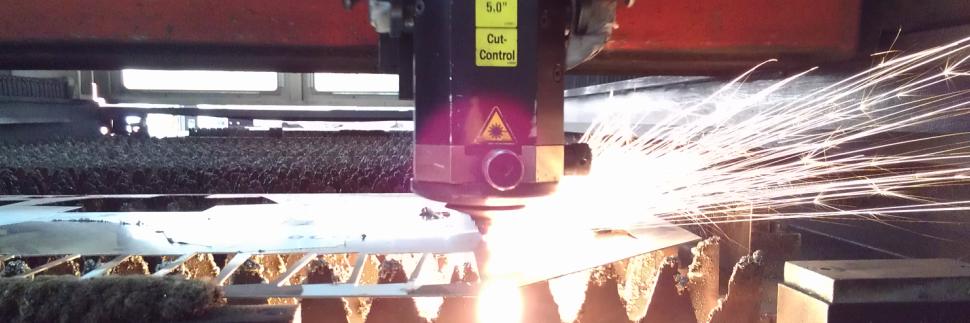
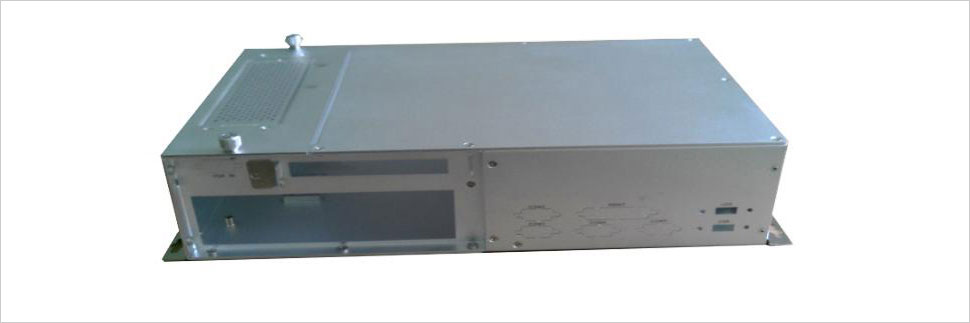
CNC machining in China offers the best value by combining a mature industrial ecosystem with high-end automation, reducing labor costs without sacrificing micron-level tolerances. Precision used to come with a heavy price tag. Today, that trade-off is fading fast. CNC Machining China has reshaped how manufacturers think about cost and quality, making it possible to achieve both without compromise.
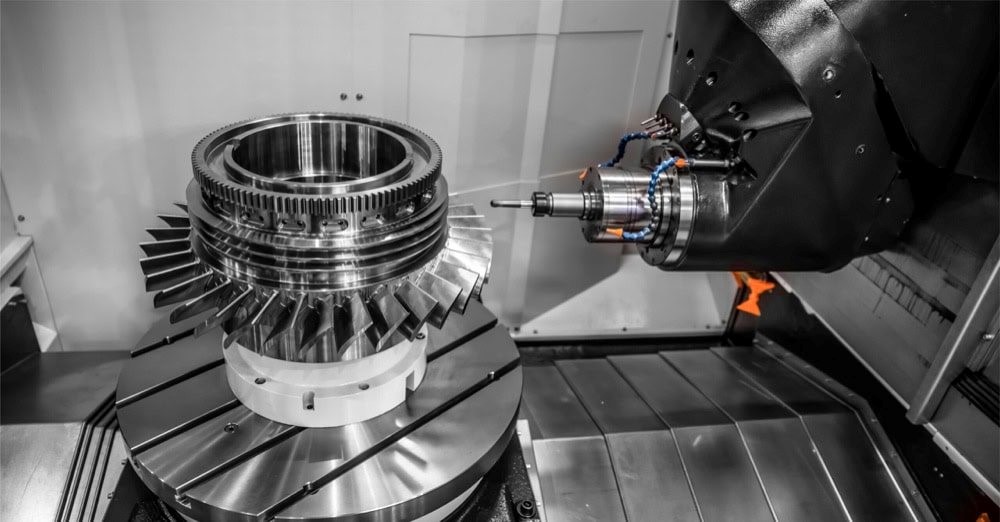
The Shift from Trade-Off to
Balance
In traditional manufacturing, lower costs
often meant inconsistent results, while premium quality demanded higher budgets
and longer timelines. CNC machining changes that equation. With
computer-controlled accuracy, every cut, drill, and finish follows exact
instructions, reducing human error and material waste.
What makes this balance possible is
consistency. Once a design is programmed, it can be reproduced thousands of
times with the same precision. That level of repeatability minimizes rework,
which directly impacts overall cost efficiency.
Why CNC Machining Keeps Costs
in Check?
Cost efficiency in CNC machining is not
about cutting corners. It comes from smarter production.
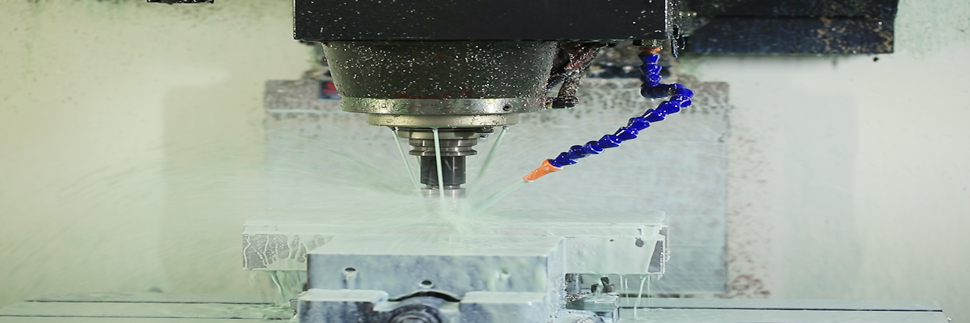
Automation reduces the need for manual
intervention, which lowers labor expenses. Material optimization ensures that
raw inputs are used effectively, leaving less scrap behind. Faster production
cycles also mean quicker turnaround, helping businesses meet deadlines without
added expense.
When sourcing from CNC Machining China,
companies often benefit from advanced infrastructure combined with competitive
pricing. This creates a unique environment where affordability does not come at
the expense of performance.
Quality That Holds Up Under
Pressure
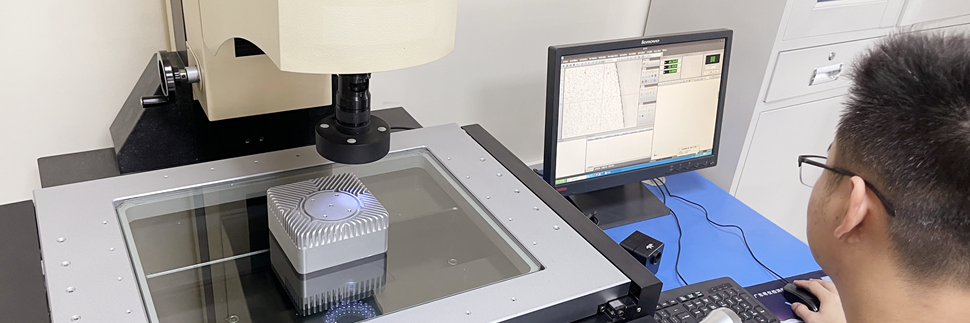
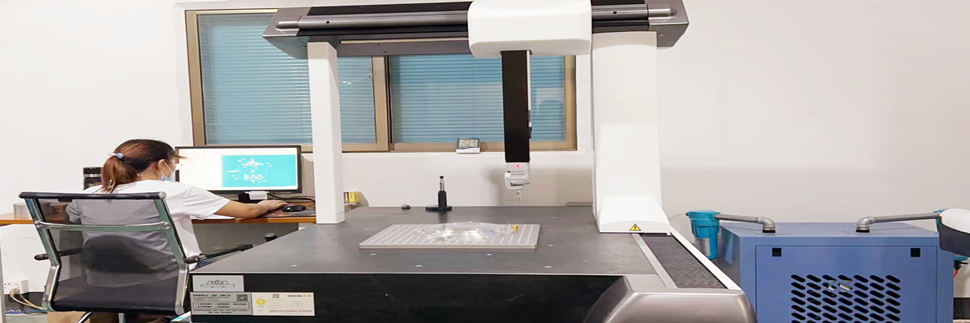
Precision is where CNC machining truly
stands apart. Tolerances can be controlled down to minute levels, ensuring
components fit perfectly within complex assemblies.
Surface finishes are smoother, dimensions
are exact, and the final output reflects the original design with remarkable
accuracy. This is especially critical in industries where even a small
deviation can affect performance or safety.
Another advantage is material
versatility. CNC machining works with metals, plastics, and composites,
maintaining consistent quality across different applications.
Where Prototype Injection
Molding Fits In
While CNC machining excels in precision
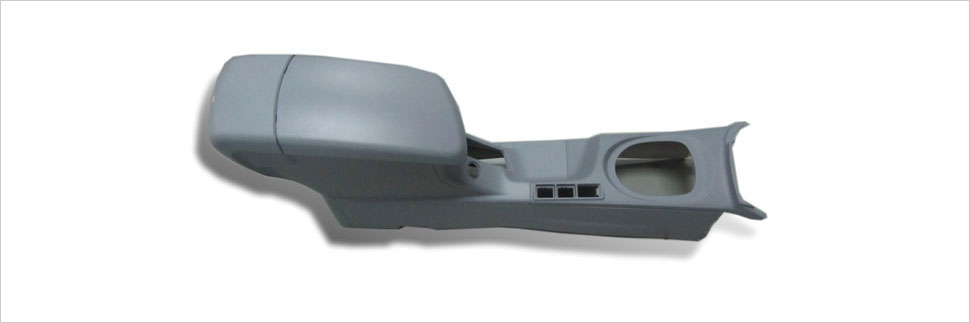
parts, Prototype
Injection Molding plays a complementary role in product development. It
allows businesses to test designs quickly before moving to mass production.
Together, these processes create a
powerful workflow. CNC machining is often used to create molds or initial
prototypes, while injection molding helps validate design functionality at
scale. This combination reduces development risks and keeps costs predictable.
A Practical Choice for Modern
Manufacturing
The real strength of CNC machining lies
in its adaptability. Whether producing a single prototype or a large batch of
components, it maintains the same level of precision and efficiency.
Businesses no longer need to choose between saving money and achieving high standards. CNC machining provides a reliable path where both goals align.
| Factor | China CNC Machining | US/EU CNC Machining |
|---|---|---|
| Cost | Low (30–50% less) | High |
| Lead Time | Fast | Medium |
| Precision | High | Very High |
| Scalability | Excellent | Limited |
Final Takeaway
Manufacturing decisions are rarely
simple, but CNC machining makes one part of the equation easier. It delivers
accuracy, consistency, and cost control in a single solution.
For companies aiming to stay competitive,
the question is no longer whether to invest in quality or manage expenses. With
CNC machining, both can move forward together.
Frequently Asked Questions
1. Why is CNC machining considered
cost-effective despite advanced technology?
CNC machining reduces long-term expenses by minimizing
errors, limiting material waste, and enabling repeatable production. Automation
also lowers labor dependency, making it a practical option for both small runs
and large-scale manufacturing projects.
2. How does CNC machining maintain
consistent quality across multiple parts?
Once programmed, CNC machines follow the same
instructions for every cycle. This ensures identical output across batches,
maintaining tight tolerances and consistent finishes without variations that
often occur in manual processes.
3. Is CNC Machining China reliable for
international businesses?
Yes, many manufacturers in China offer advanced
equipment and skilled expertise. Combined with competitive pricing, they
provide reliable production solutions while maintaining global quality
standards and meeting strict project requirements.
4. When should businesses use
Prototype Injection Molding instead of CNC machining?
Prototype injection molding is ideal for testing
product designs in near-production conditions. It helps evaluate functionality,
fit, and performance before committing to large-scale manufacturing,
complementing CNC machining in early development stages.
5. Can CNC machining handle both
prototypes and full production runs?
CNC machining is highly flexible and suitable for both
prototypes and production. It allows quick design validation and scales
efficiently, making it a dependable solution throughout different stages of
product development and manufacturing.