



Quick Answer: How 3D Printing Turns a Digital Design Into a Real Object
3D printing turns a digital design into a real object by converting a CAD model into sliced machine instructions, then building the part layer by layer from plastic, resin, nylon, metal or another material. This additive manufacturing process helps engineers test ideas quickly, create complex geometry and move from concept to prototype with less tooling risk.
That is exactly what makes 3D printing in China valuable for product development teams. It bridges the gap between imagination and reality by transforming digital designs into physical objects layer by layer. From medical tools and automotive components to prototypes and household products, 3D printing has changed how products are created.
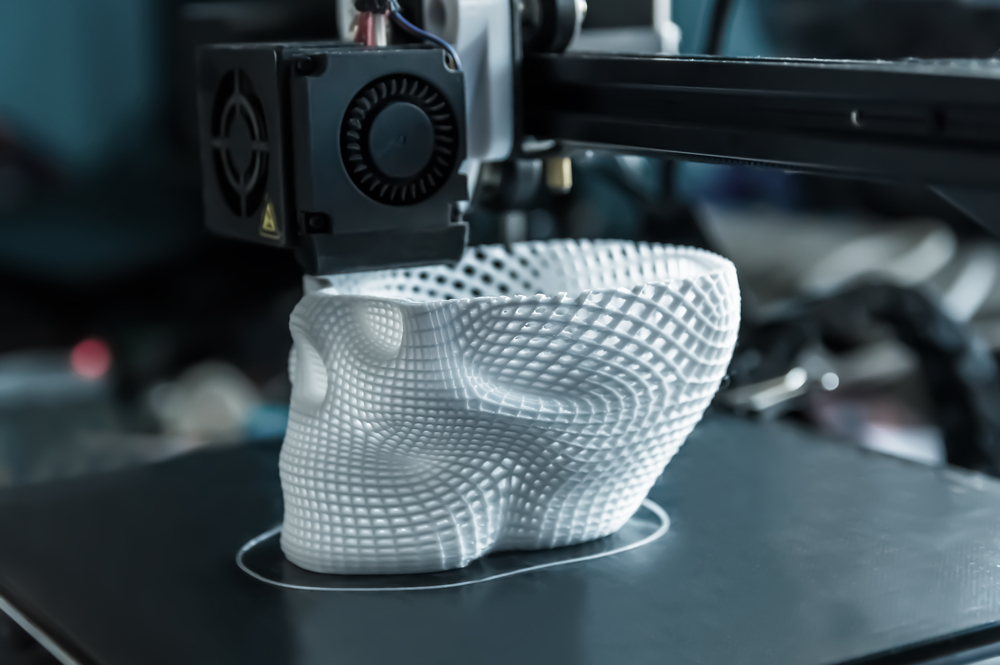
Understanding this process is useful for product designers, engineers, purchasing teams and business owners. Below is a practical look at each stage, from digital concept to finished object, and how 3D printing supports faster prototyping and low-volume manufacturing decisions.
3D Printing: Understanding the Digital-to-Physical Manufacturing Process
3D printing is an additive manufacturing method that creates objects by building them layer upon layer from a digital file. Unlike traditional manufacturing, which often removes material through cutting or drilling, 3D printing adds material only where needed. This can make prototype production more flexible, especially when a design has internal features, curves or complex geometry.
For engineering projects, 3D printing is often used before CNC machining, injection molding or production tooling. A printed prototype can help teams review shape, size, assembly fit, ergonomics and design intent before committing to a more expensive manufacturing process.
How Does 3D Printing in China Start With a Digital Blueprint?
The Design Stage: Where Ideas Take Shape
Every printed object begins as a digital model created with Computer-Aided Design (CAD) software. Designers use CAD tools to define dimensions, shapes, textures and structural details. The digital model acts as the complete blueprint, giving the printer the information needed to build the object accurately.
Converting Designs Into Printable Instructions
Once the design is complete, it is exported into a file format such as STL, OBJ or 3MF. Slicing software then divides the model into hundreds or thousands of horizontal layers. These layers become machine instructions that guide the printer throughout the manufacturing process.
The Layer-by-Layer Process Behind 3D Printing
Building Objects One Thin Layer at a Time
The printer reads the sliced file and deposits or cures material according to the instructions. Each layer is created with precision before the next layer is added on top. This gradual process continues until the complete object emerges from the build platform.
Materials That Bring Designs to Life
Different projects require different materials. Common options include photopolymer resin, nylon, engineering plastics, metal powder and composite materials. Each material offers different characteristics such as flexibility, toughness, heat resistance, surface detail or lightweight performance.
Key Stages That Transform a Design Into a Finished Product
| Stage | What Happens | Why It Matters |
| Digital modeling | The part is designed in CAD software with shape, size and function defined. | A clear model reduces production errors before printing starts. |
| File preparation | Slicing software converts the model into machine-readable layers. | Layer thickness, supports and orientation affect strength and appearance. |
| Printing process | The machine builds the object layer by layer from the selected material. | Consistent precision helps produce accurate prototypes and test parts. |
| Post-processing | Supports are removed and parts may be cured, sanded, polished, dyed or painted. | Finishing improves appearance, function and user evaluation. |
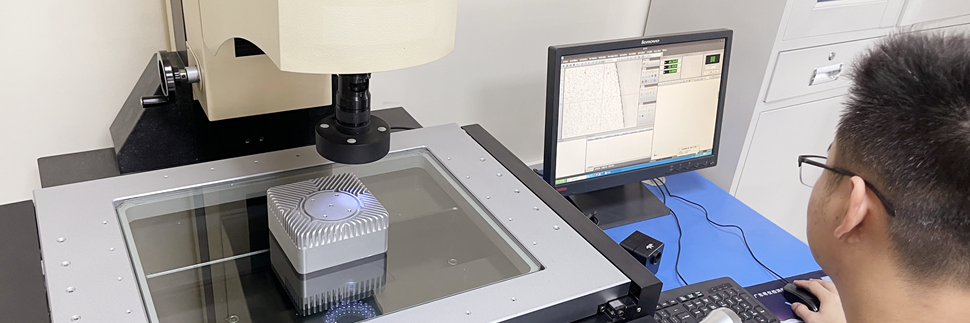
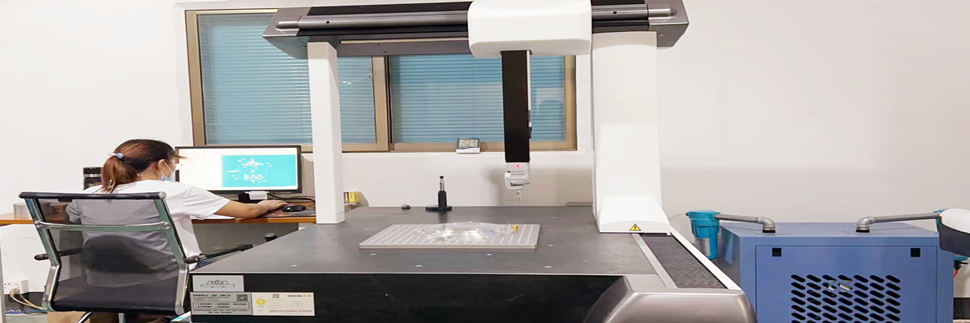
| Inspection | Key dimensions, surface quality and fit are checked against project requirements. | Quality control helps confirm whether the prototype is ready for review. |
Why Is 3D Printing in China Gaining Global Attention?
Faster Prototyping for Product Development
Businesses can test concepts quickly without investing in expensive tooling. Engineers and designers can identify flaws, make improvements and create multiple versions within a short period. This flexibility accelerates innovation and shortens development timelines.
Greater Design Freedom
Traditional manufacturing methods often impose design limitations. 3D printing can create intricate geometries, internal structures and customized components that may be difficult or expensive to produce through conventional methods.
Reduced Material Waste
Because material is added only where needed, waste can be reduced compared with subtractive manufacturing methods. This efficient use of material can help lower prototype costs and support more sustainable product development.
Industries Benefiting From Digital-to-Physical Manufacturing
Healthcare and medical applications: Medical professionals use 3D printing to create customized implants, surgical models and patient-specific devices. These solutions improve planning accuracy and support more personalized treatment approaches.
Automotive and industrial manufacturing: Manufacturers use printed prototypes, specialized parts and production aids to evaluate concepts before larger-scale production. 3D printing can also support design validation for parts related to automotive injection mold development.
Education and research: Educational institutions use 3D printing to turn abstract ideas into tangible models. Students can explore engineering, architecture and scientific principles through hands-on learning experiences.
How UIDEA Supports 3D Printing China Projects
UIDEA supports product teams that need 3D printing China services for concept models, appearance prototypes, functional plastic parts and low-volume development work. Depending on the part requirements, UIDEA can also help compare 3D printing with CNC machining, vacuum casting, sheet metal fabrication, rapid tooling or injection molding.
For a faster review, customers can send 3D CAD files, 2D drawings, quantity, material preference, surface finish, color, tolerance notes and the intended application. Clear project information helps the team recommend a practical process before production begins.
Final Thoughts
The journey from a digital design to a physical object is a combination of software, engineering and manufacturing precision. Every stage, from design creation and file preparation to printing, finishing and inspection, contributes to transforming an idea into reality. As technology continues to evolve, 3D printing in China remains an important option for faster innovation, complex prototypes and flexible product development.
Frequently Asked Questions
How accurate is a modern 3D printer?
Modern 3D printers can produce detailed parts with good dimensional consistency when the machine, material, orientation and slicing settings are properly controlled. Accuracy still depends on the process, part size, geometry and post-processing requirements.
Can 3D printing be used for mass production?
3D printing is commonly used for prototypes, custom parts and low-volume manufacturing. Some industries use advanced 3D printing systems for limited production, but large-volume parts may still be better suited to CNC machining, molding or other production methods.
What software is commonly used to create 3D printing designs?
Designers usually create models in CAD software, then convert the digital model into printable files through slicing software. The slicer controls layer height, supports, orientation and other print settings.
How long does it take to print a three-dimensional object?
Printing time depends on part size, complexity, material, layer thickness and machine type. Simple objects may take a short time, while detailed or large prototypes can require several hours or longer.
Which industries benefit most from 3D printing technology?
Healthcare, aerospace, automotive, education, consumer products and industrial manufacturing teams often use 3D printing to improve product development, test designs and create custom or low-volume parts.