



Quick answer: CNC prototype solutions reduce manufacturing risks by turning CAD designs into accurate, functional parts before production. They help engineers verify dimensions, assembly fit, material performance, machining feasibility and quality requirements before expensive tooling or mass production begins.
Bringing a new product to market involves multiple challenges, from validating designs to ensuring every component meets precise specifications. A CNC prototype helps manufacturers identify potential issues early, reducing costly mistakes before full-scale production begins.
By creating highly accurate prototypes, businesses can evaluate form, fit, function and manufacturability with confidence. Whether the project involves automotive parts, industrial equipment, consumer electronics or medical components, CNC machining offers a reliable path to faster and safer product development.
What Is a CNC Prototype?
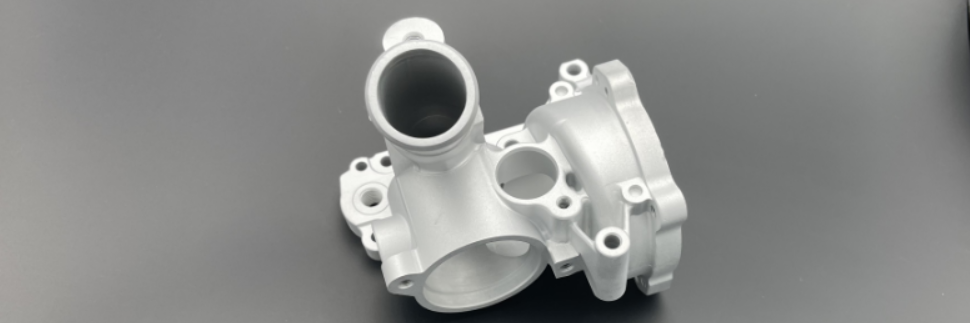
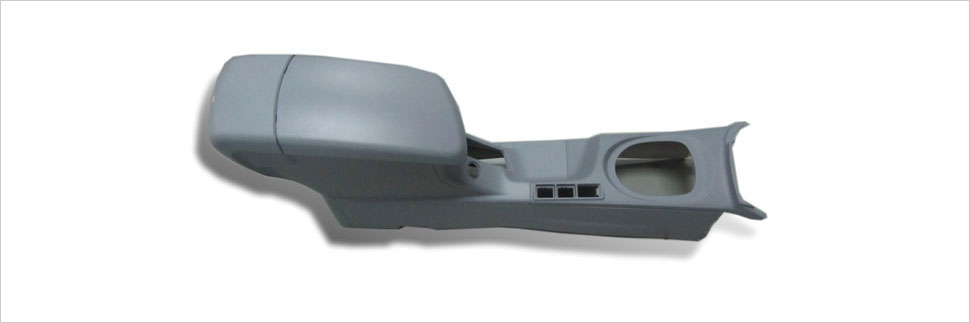
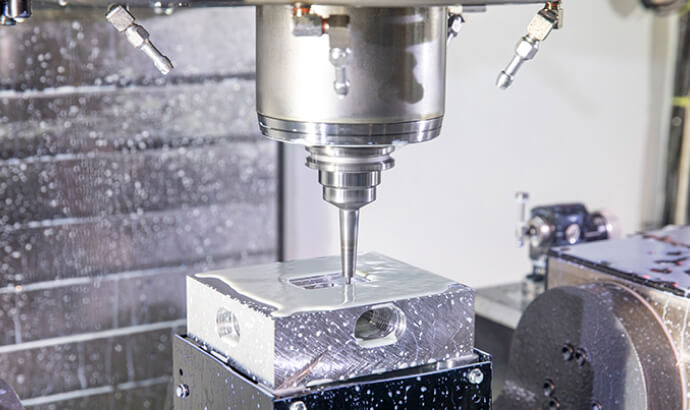
A CNC prototype is a physical model or functional part produced using Computer Numerical Control machining. Unlike conceptual models, CNC-machined prototypes are manufactured from production-grade materials, allowing engineers to test real-world performance before investing in mass production.
Professional prototype manufacturers may also offer advanced options such as SLM 3D printing, helping businesses select the most suitable prototyping process based on design complexity, material requirements and production goals.
How CNC Prototypes Reduce Manufacturing Risks
Detecting Design Issues Before Production
Even well-designed CAD models may reveal unexpected problems when transformed into physical parts. CNC prototypes help engineers verify dimensional accuracy, component assembly, mechanical performance and functional compatibility.
Identifying these issues early minimizes expensive tooling modifications and production delays later.
Validating Material Selection
Different applications require different materials. A CNC prototype allows manufacturers to evaluate whether aluminum, stainless steel, brass, titanium or engineering plastics provide the required strength, durability and finish.
Testing real materials helps confirm that the final product will perform as expected under actual operating conditions.
Improving Manufacturing Efficiency
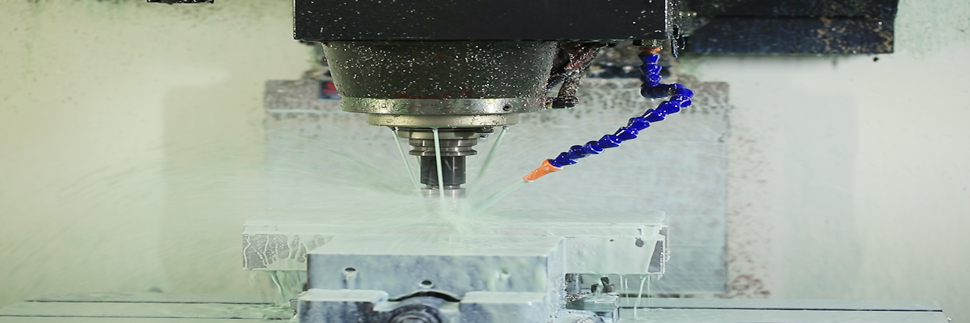
Prototypes often expose machining challenges that are difficult to predict during design. Engineers may discover difficult machining angles, excessive material waste, complex tool paths or opportunities to simplify production.
These improvements can reduce machining time, lower manufacturing costs and make production more reliable.
CNC Prototype vs SLM 3D Printing
Choosing the right prototyping method depends on project requirements. CNC prototypes are strong for dimensional accuracy, production-grade materials, surface finish and functional testing. SLM 3D printing is helpful for highly complex metal geometries, intricate internal structures and lightweight components.
Many manufacturers combine CNC prototype machining with SLM 3D printing to balance design flexibility and production readiness.
Why Precision Matters During Product Development
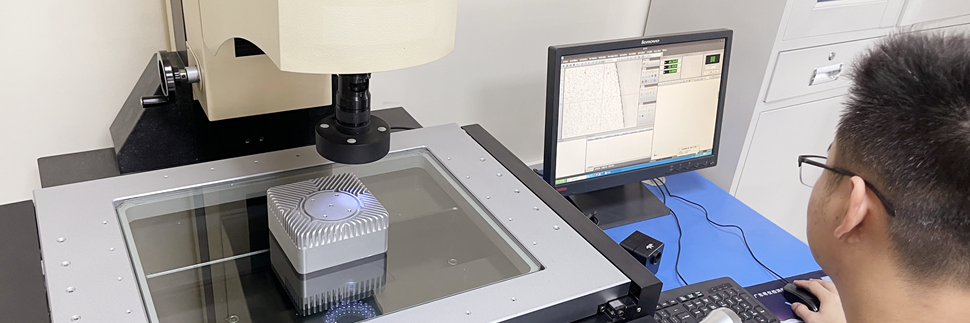
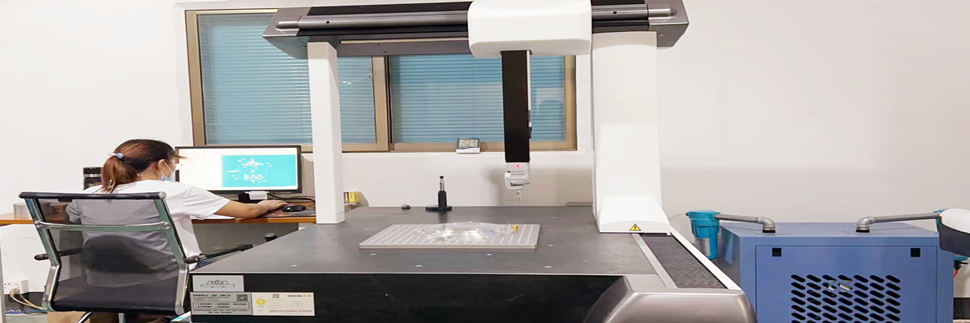
Manufacturing errors become significantly more expensive once tooling, molds or production lines are established. Working with experienced CNC machining specialists helps ensure tight machining tolerances, consistent quality, reliable repeatability, thorough quality inspections and faster design iterations.
These best practices reduce uncertainty and improve confidence before moving into volume manufacturing.
How to Choose the Right CNC Prototype Partner
A reliable CNC machining provider should offer advanced multi-axis machining capabilities, wide material selection, engineering support, rapid prototype production, strict quality control, surface finishing and complementary services such as SLM 3D printing.
An experienced manufacturing partner can also recommend design improvements that enhance performance while lowering production costs.
Related CNC Prototype Resources
For more guidance, read Why CNC Prototype Is the Smart Choice for Product Designers and Why CNC Machining Services Are the Smart Choice for Custom Parts Manufacturing.
Final Takeaway
A CNC prototype is more than an early product sample. It is a practical risk-management tool that improves product quality, validates designs and streamlines manufacturing.
By identifying issues before production begins, businesses can reduce costly revisions, shorten development cycles and launch products with greater confidence. When combined with complementary technologies like SLM 3D printing, CNC prototyping provides a flexible and efficient approach to modern product development.
Frequently Asked Questions
Why is a CNC prototype important before mass production?
A CNC prototype allows manufacturers to test functionality, verify dimensions, evaluate materials and identify design flaws before production begins. This reduces manufacturing risk, development cost and quality problems.
When should I choose SLM 3D printing instead of CNC machining?
SLM 3D printing is useful for highly complex metal parts with internal channels or lightweight structures. CNC machining is often preferred for precision, surface finish and prototypes that closely match final production materials.
Can a CNC prototype use the same material as the final product?
Yes. CNC prototypes can be machined from production-grade materials such as aluminum, stainless steel, titanium, brass, copper and engineering plastics, allowing realistic performance testing.
How does CNC prototyping help reduce manufacturing costs?
CNC prototyping helps identify design issues, optimize machining processes and validate materials early, reducing tooling changes, delays, material waste and redesign during production.
What industries benefit most from CNC prototype services?
Aerospace, automotive, medical devices, robotics, industrial equipment and consumer electronics use CNC prototypes to develop high-precision components and improve product reliability.
Related Prototype Development Resource
For a broader product development perspective, read why prototype development is the foundation of successful product innovation.