


Developing a new product often involves more than settling on the first design that looks promising. Businesses need to evaluate different shapes, materials, dimensions, and functional features before committing to manufacturing. Rapid Prototyping Services make this process more practical by turning digital concepts into physical models that teams can examine, test, and improve.
Instead of relying entirely on drawings or computer-generated designs, businesses can compare different versions of a product and identify which approach best meets their requirements.
Why Should Businesses Explore Multiple Product Designs?
A product may look suitable on a computer screen but reveal unexpected problems when converted into a physical component. Dimensions might affect assembly, certain shapes may be difficult to manufacture, or the selected material may not perform as expected.
Exploring multiple designs helps businesses:
- Compare different shapes, sizes, and configurations.
- Identify design limitations before production.
- Evaluate material suitability and surface finishes.
- Check component compatibility and assembly requirements.
- Make informed decisions before investing in production tooling.
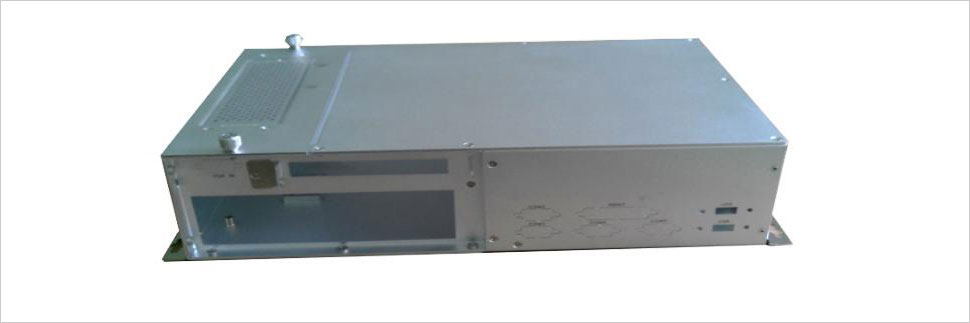
For example, a business developing an electronic enclosure can create several prototypes with different layouts. Comparing these models helps determine which design accommodates internal components while maintaining practical dimensions and accessibility.
How Rapid Prototyping Services Support Design Exploration
Rapid prototyping allows product development teams to move between design concepts and physical evaluation without immediately committing to full-scale manufacturing.
1. Testing Different Design Configurations
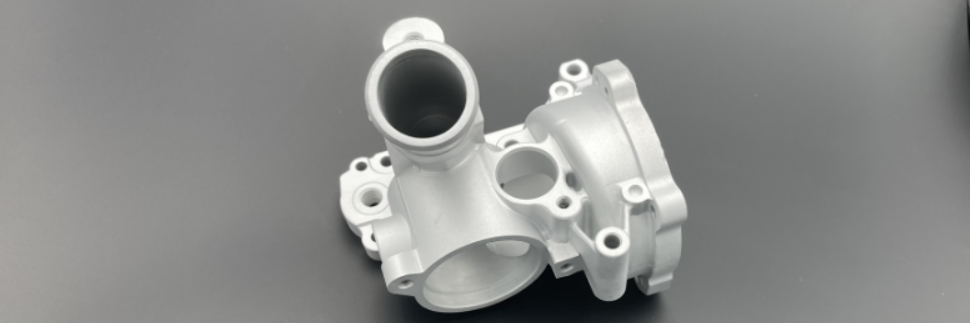
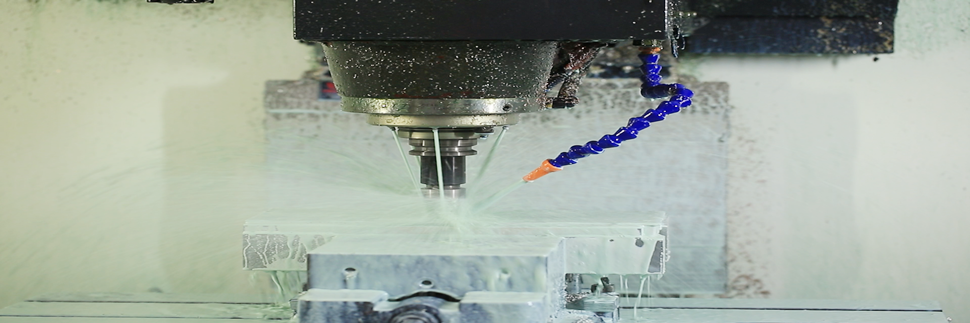
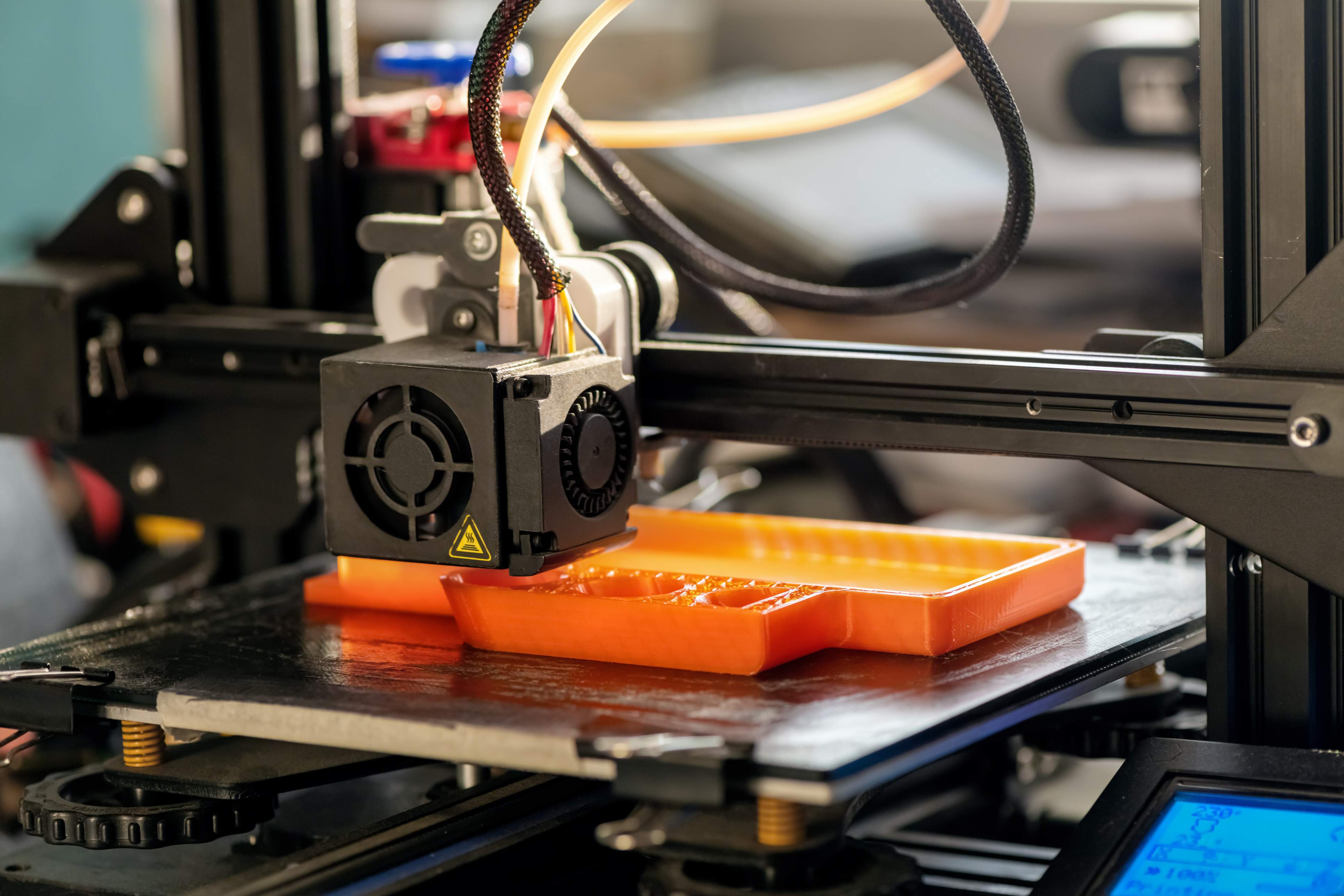
3D printing and CNC machining allow businesses to produce physical versions of different design concepts. Teams can compare dimensions, geometry, openings, and component arrangements to understand how each variation performs.
2. Comparing Materials and Finishes
Material selection influences product weight, strength, appearance, and functionality. Creating prototypes using suitable materials helps businesses understand these differences.
Depending on the project, CNC machining, industrial 3D printing, and vacuum casting can support different evaluation requirements.
A prototype made with a different material or process may not reproduce the properties of the final part. Define the purpose of each test and evaluate its results against the intended production material, process and acceptance requirements.
3. Improving Design Accuracy
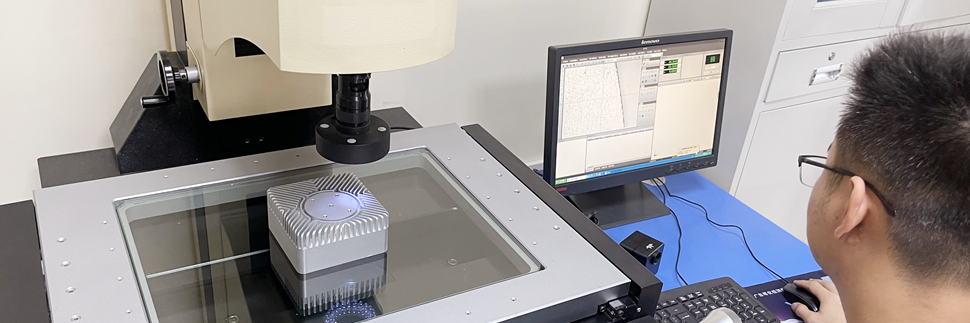
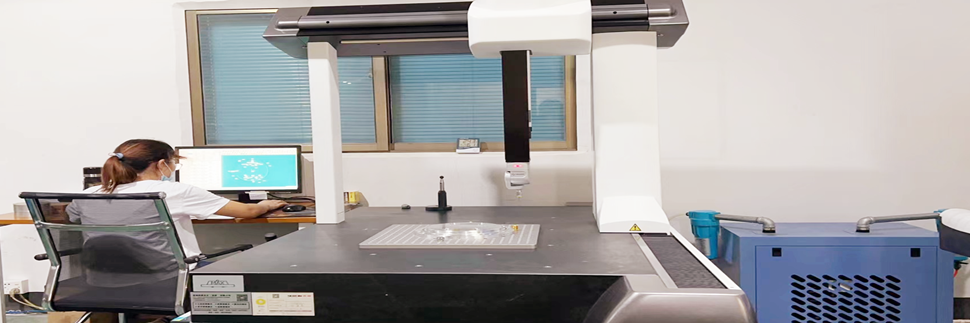
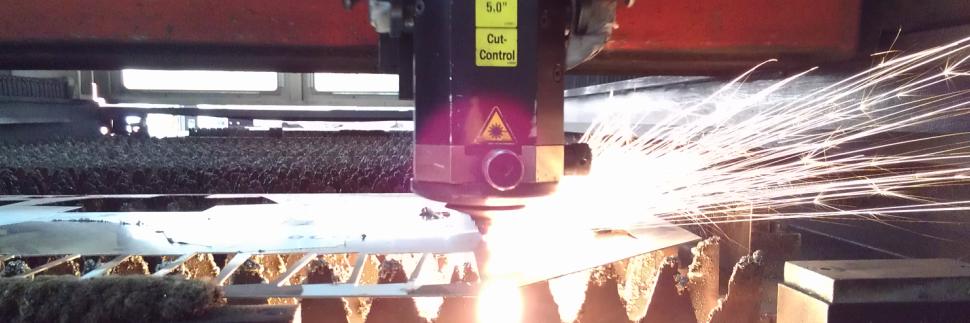
Physical prototypes help identify dimensional inconsistencies, alignment problems, and assembly concerns. Sheet metal prototypes are particularly useful for evaluating bend geometry, hole positions, brackets, and enclosure fit before repeat production.
4. Selecting a Suitable Manufacturing Process
Different product designs may require different manufacturing approaches. Comparing prototypes helps businesses assess whether CNC machining, sheet metal fabrication, 3D printing, or another process is appropriate for their requirements.
What Should Businesses Consider Before Ordering Prototypes?
Before requesting Rapid Prototyping Services, businesses should prepare essential project information, including:
- Design files: Provide accurate 3D CAD models and 2D engineering drawings.
- Material requirements: Specify the intended material or desired material properties.
- Critical dimensions: Highlight important tolerances and fitting requirements.
- Surface finish: Explain the expected appearance and finishing requirements.
- Quantity: Clarify whether the project requires individual prototypes or a small batch.
Businesses considering Rapid Prototype China manufacturing should also evaluate the manufacturer's available processes, quality control practices, communication, and ability to support subsequent production requirements.
Make Better Product Decisions Through Prototype Evaluation
Exploring multiple designs gives businesses a clearer understanding of what works before moving towards production. With the right Rapid Prototyping Services, product teams can compare physical models, assess manufacturing requirements, and refine designs based on practical observations.
Whether developing precision components, sheet metal enclosures, or custom plastic parts, a carefully evaluated prototype provides a more informed starting point for manufacturing.
Frequently Asked Questions
1. How many design variations should a business prototype?
The number depends on product complexity and development objectives. Businesses can begin with two or three meaningful variations that address important differences in dimensions, geometry, materials, or functionality rather than producing numerous versions without a clear testing purpose.
2. Can rapid prototyping help identify manufacturing limitations?
Yes. Physical prototypes can reveal issues involving wall thickness, component alignment, assembly clearances, bending requirements, and part geometry. Identifying these concerns early helps engineers refine designs to better suit the selected manufacturing process.
3. Which prototyping method is suitable for comparing product designs?
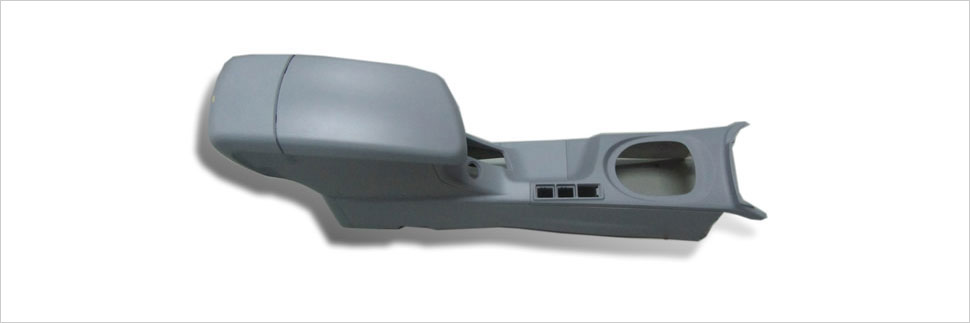
It depends on the evaluation requirements. 3D printing supports complex geometries and design validation, CNC machining suits precision metal and plastic components, while vacuum casting helps produce appearance models and small-batch plastic parts.
4. Can prototypes be modified after initial testing?
Yes. Feedback from physical evaluation can guide CAD revisions, including changes to dimensions, openings, material selection, and component arrangements. Updated designs can then be manufactured as new prototypes for further assessment.
5. What information is needed to request Rapid Prototyping Services?
Manufacturers generally need 3D CAD files, 2D engineering drawings, material specifications, quantity, critical tolerances, and surface finish requirements. Providing these details helps them assess the project and recommend an appropriate manufacturing process.
Request a prototype review with your drawings, design variations and evaluation requirements.