



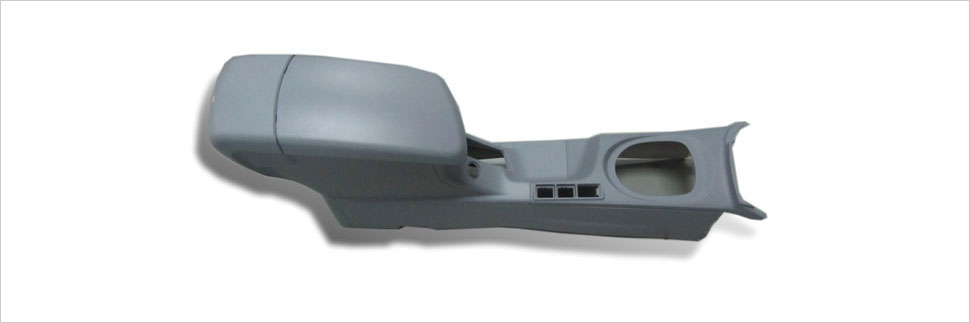
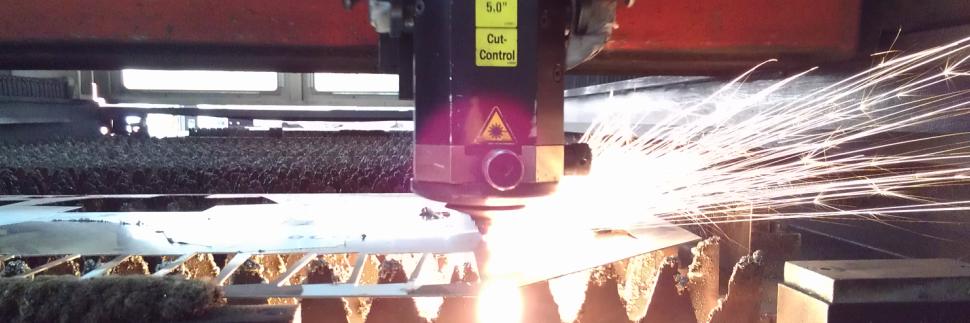
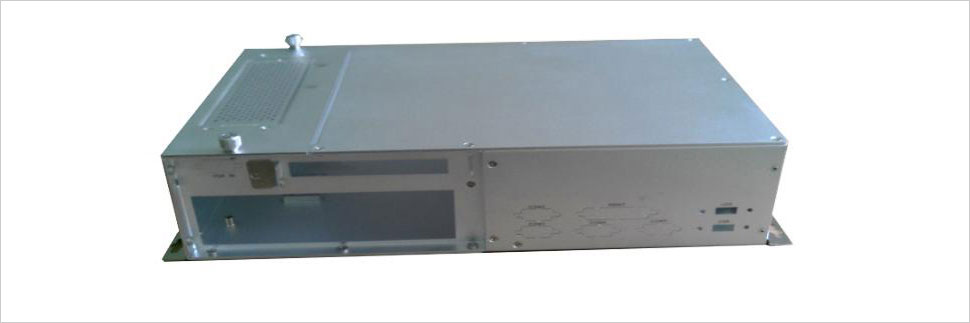
Every successful product begins with a well-tested idea. Yet turning a design into a functional product often requires careful experimentation and testing. This is where sheet metal prototyping becomes extremely valuable. It allows engineers and designers to create physical models of parts before committing to full production. These early prototypes help teams test performance, refine designs, and detect possible issues. But the real advantage goes deeper than simple testing. In this guide, we will explore the key benefits that make this method an important step in modern product development.
Understanding Sheet Metal Prototyping
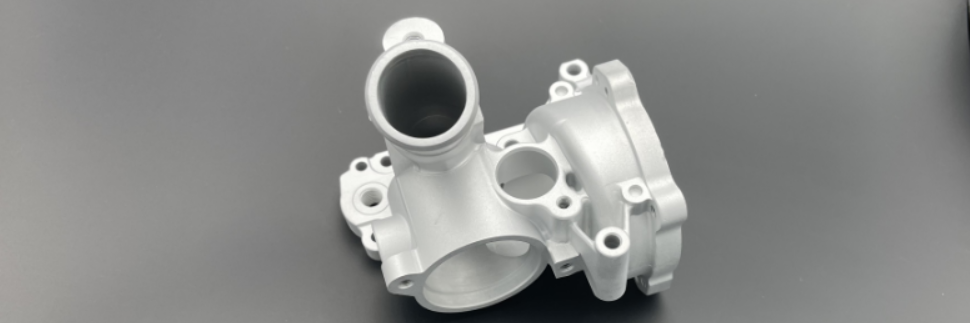
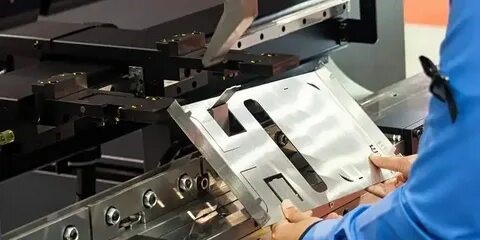
Before exploring the advantages, it helps to understand the concept clearly. Sheet metal prototyping refers to the process of creating early versions of a product using thin metal sheets. These sheets are cut, bent, and shaped to match the intended design. The prototype allows engineers to evaluate the structure, strength, and usability of the component before moving to large-scale manufacturing. This method is widely used in industries such as automotive, aerospace, electronics, and industrial equipment manufacturing.
Why Prototypes Matter in Product Development
Imagine launching a product only to discover a design flaw after production begins. Correcting such problems at that stage can be expensive and time-consuming. Prototypes act as a testing ground where teams can evaluate ideas safely. They provide a physical representation of the design so engineers can identify improvements before the final production process begins. This simple step often saves both time and resources.
Method
Cost
Speed
Best Use
Sheet Metal
Low
Fast
Functional parts
CNC
Medium
Medium
Precision parts
3D Printing
Low
Fast
Concept models
7 Key Benefits of Sheet Metal Prototyping
Early Detection of Design Issues
One of the biggest advantages of prototyping is the ability to identify design problems early. Engineers can examine the prototype and detect structural weaknesses, alignment issues, or fitting problems. Fixing these issues during the prototype stage prevents costly corrections during mass production.
Faster Product Development
Product development involves several stages, including design, testing, and revision. Sheet metal prototypes allow teams to quickly produce functional models for evaluation. Instead of waiting for final manufacturing tools, designers can test and modify the product much earlier in the development cycle.
Accurate Testing of Real Materials
Digital models provide useful insights, but they cannot fully replicate how materials behave in real conditions. Prototyping with sheet metal allows engineers to test the strength, flexibility, and durability of actual materials. This helps ensure the final product performs reliably under real operating conditions.
Better Communication Between Teams
Designers, engineers, and manufacturers often interpret drawings differently. A physical prototype removes confusion by showing exactly how the component looks and functions. This visual reference improves collaboration and helps teams discuss improvements more effectively.
Cost Savings Before Mass Production
Manufacturing tools and moulds can be expensive to create. If design errors are discovered after production begins, companies may need to rebuild tooling completely. Prototypes allow adjustments before these tools are created, helping companies avoid unnecessary costs.
Improved Product Performance
Testing prototypes allows engineers to refine the design gradually. They can adjust thickness, structural support, or component placement to improve performance. These small refinements often lead to stronger, more reliable products once manufacturing begins.
Flexibility for Design Modifications
Customer feedback, testing results, and market requirements may lead to design changes. Prototyping provides the flexibility to modify designs quickly. Engineers can create updated versions of the prototype without restarting the entire production process, making development more adaptable.
Where Sheet Metal Prototyping Is Commonly Used
Many industries rely on sheet metal prototypes to test product designs, including:
● Automotive body components
● Electronic enclosures
● Industrial equipment parts
● Aerospace structural components
● Consumer appliances
Tips for Successful Sheet Metal Prototyping
To get the best results, product developers should approach prototyping carefully. First, focus on the most critical design features that need testing. Second, evaluate the prototype thoroughly under real operating conditions. Finally, collect feedback from engineers, designers, and potential users to guide improvements. Following these steps helps ensure the prototype provides valuable insights before manufacturing begins.
The bottom line
Creating a successful product requires more than a good idea. It requires careful testing, refinement, and collaboration between design and engineering teams. Sheet metal prototyping plays a vital role in this process by helping companies detect issues early, test real materials, and refine designs before full production. The result is stronger products and more efficient development cycles. In many manufacturing projects, this stage works alongside other processes such as plastic injection moulding in China, allowing companies to choose the most suitable production method for their final product.
FAQs
What is sheet metal prototyping used for in product development?
Sheet metal prototyping is used to create early versions of metal components so engineers can test design accuracy, strength, and functionality before committing to full-scale manufacturing.
Which industries commonly use sheet metal prototyping?
Industries such as automotive, aerospace, electronics, and industrial equipment manufacturing frequently rely on sheet metal prototypes to test parts and improve design performance.
How does sheet metal prototyping reduce production risks?
By identifying design flaws early, prototypes help engineers correct issues before expensive tooling and large-scale manufacturing begin, reducing financial and production risks.
Can sheet metal prototypes be modified easily?
Yes, prototypes can be adjusted during development. Engineers can modify dimensions, thickness, or structural features to improve the design before final production.
How much time does it take precisely to produce a sheet metal prototype?
Production time depends on design complexity and manufacturing methods, but many prototypes can be produced quickly compared to full-scale manufacturing processes.
Looking for reliable sheet metal prototyping in China? Contact UIDEA for fast, high-quality manufacturing solutions.