




When handled properly, a basic metal sheet can become the structural foundation of automobiles, structures, and machinery. Sheet metal production turns flat raw materials into precise parts that drive global industries. The procedure blends sophisticated machinery, expert craftsmanship, and engineering precision. Every stage, from the first design to the last inspection, is vital to durability and performance. Continue reading to find out how a plain sheet becomes a completed industrial component.
The Blueprint Before the Build
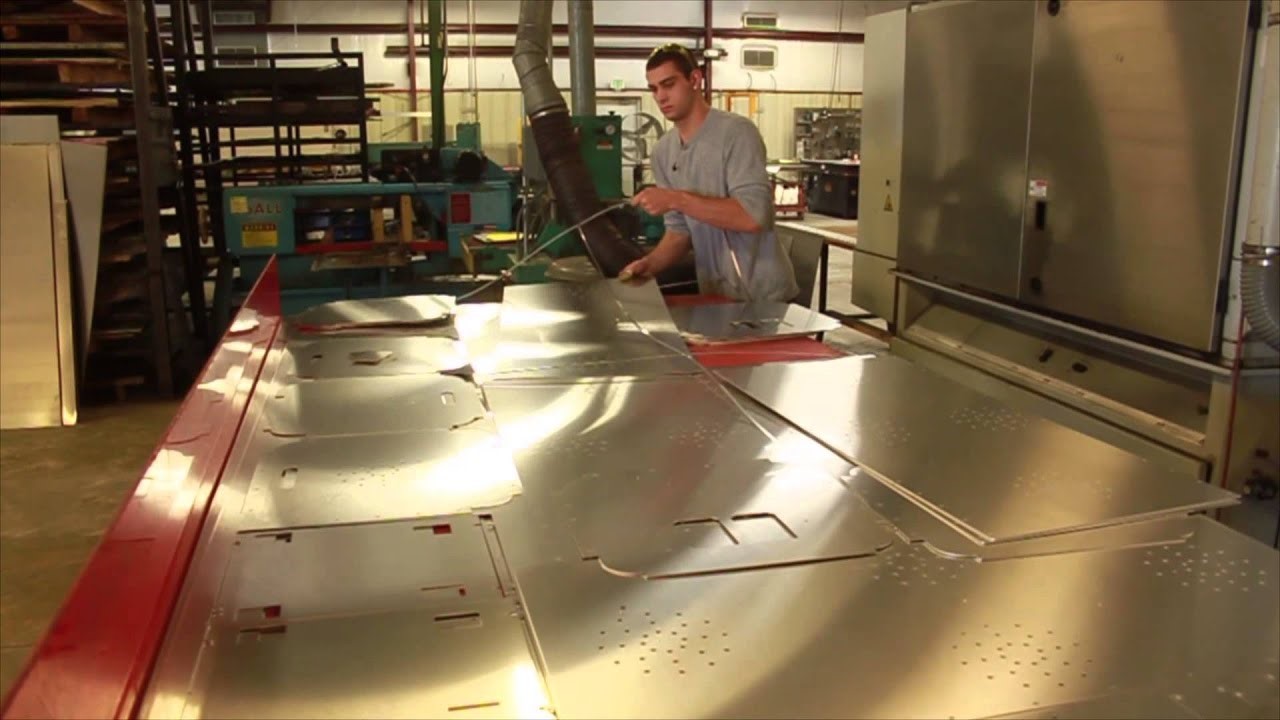
Design is the first step in every project. Engineers produce intricate drawings that specify material types, dimensions, tolerances, and structural needs. CAD software is essential to modern production because it guarantees precision before any cutting starts. This step provides the final component's strength and material efficiency.
Cutting With Accuracy
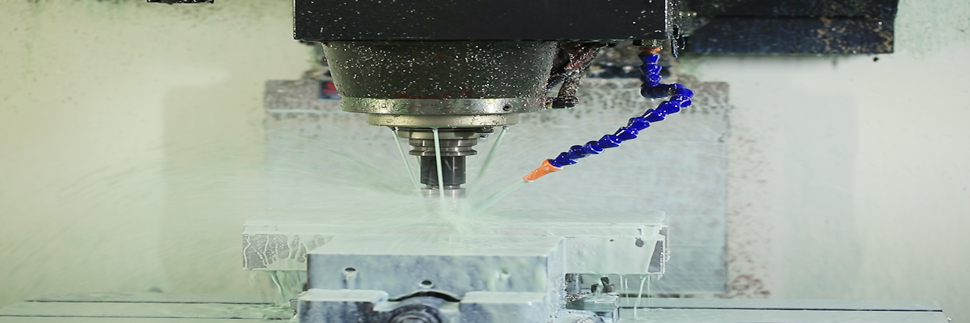
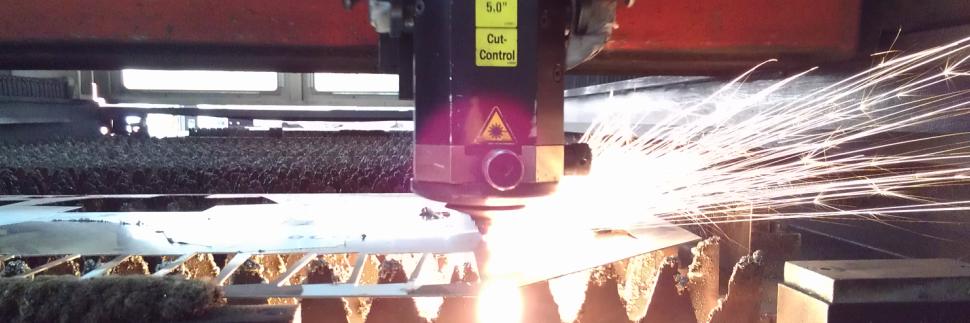
The flat sheet goes to the cutting step after the design is complete. CNC punching machines and laser cutting are examples of advanced technology that precisely shape metal. Maintaining tight tolerances and clean edges throughout this process requires meticulous control.
For sectors like electronics production, construction, and the automobile industry, uniformity across batches is crucial, and high-quality cutting guarantees this.
Shaping Strength Into Form
To create its three-dimensional structure, the metal is bent and shaped after cutting. Forming machines and press brakes use regulated pressure to mold the material without sacrificing strength.
Key forming methods frequently consist of:
● Precision bending- For accurate angles and structural stability
● Deep drawing- for creating hollow parts
● Rolling- for cylindrical or curved forms
A balance between force and flexibility is necessary for each method. In addition to preventing cracking, proper treatment ensures the structural integrity of the part.
Protection and Surface Finishing
Raw metal surfaces are often not ready for immediate use! So finishing procedures improve durability and appearance. Anodizing, galvanizing, and powder coating are some of the treatments that protect components from environmental wear and corrosion.
Additionally, surface polishing enhances a product's appearance, which is important for items shown to consumers. Protective coatings also increase the longevity of parts subjected to severe conditions in industrial settings.
| Material (材料) | Key Features (核心特点) | Best For (适用场景) |
|---|---|---|
| Aluminum (5052 / 6061) | Lightweight, excellent corrosion resistance, non-magnetic. | Aerospace, electronics enclosures, automotive panels. |
| Stainless Steel (304 / 316) | High strength, superior durability, heat resistant. | Medical devices, food processing, marine hardware. |
| Cold Rolled Steel (SPCC) | Excellent surface finish, cost-effective for indoor use. | Server racks, home appliances, industrial cabinets. |
| Galvanized Steel (SECC) | Coated for rust prevention, great balance of cost/protection. | Outdoor enclosures, computer chassis, HVAC parts. |
| Copper & Brass | Highly conductive (electrical/thermal), aesthetically unique. | Electrical components, heat sinks, decorative hardware. |
Quality Control and Inspection
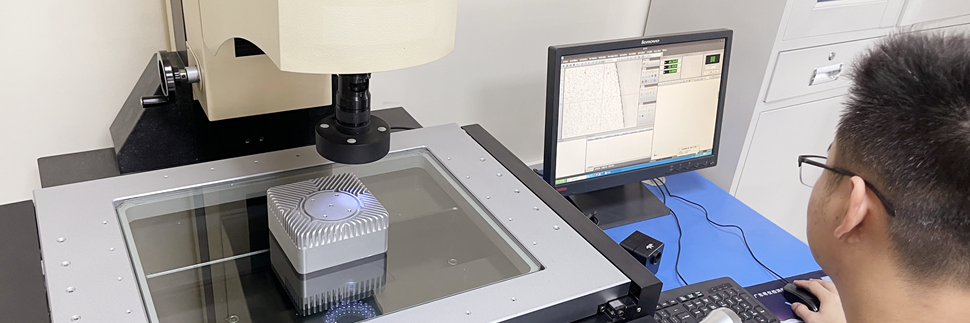
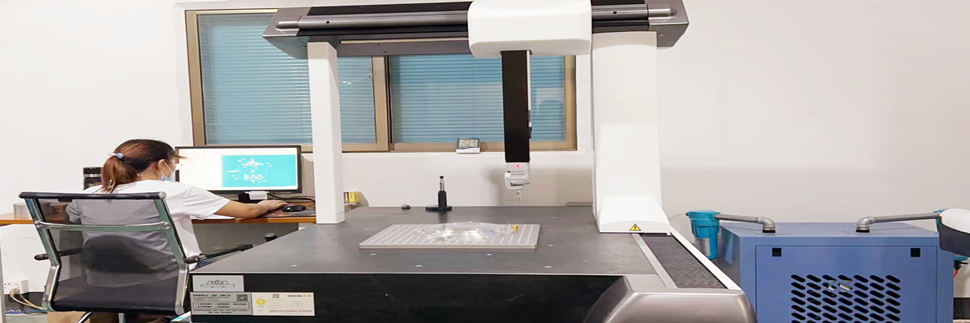
Each component goes through a rigorous check before shipment. Visual inspections, strength tests, and dimensional checks ensure the specifications are being followed. Meeting standards is only one aspect of quality control. Gaining the trust of customers who rely on dependable parts for their operations is the goal.
The bottom line
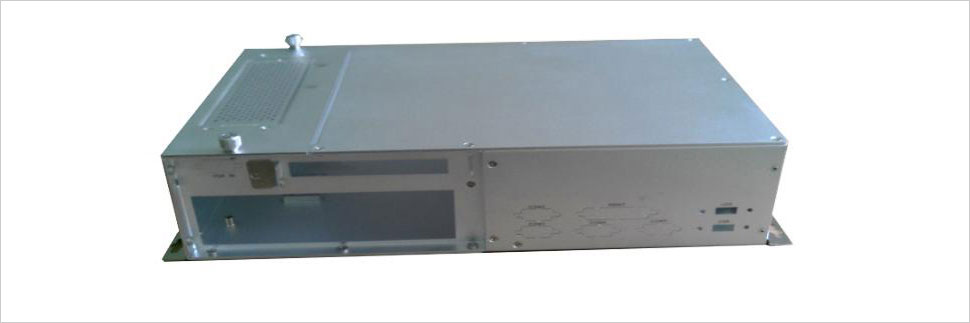
It takes preparation, accuracy, and methodical execution to turn flat metal sheets into completed industrial pieces. To produce components that meet strict performance requirements, sheet metal production combines sophisticated machinery with expert supervision. Every step, from cutting and design to shaping and finishing, influences the finished product. In the current manufacturing environment, businesses frequently combine metal fabrication and procedures like injection molding in China to produce comprehensive product solutions. When combined, these production techniques foster innovation in a wide range of sectors.
FAQs
What materials are the most commonly used for sheet metal production?
Depending on the strength, resistance to corrosion, and needs of the application, common materials include:
● Copper
● Brass
● Carbon steel
● Stainless steel
● Aluminum
What are the benefits of precise modern sheet metal cutting?
With their incredibly fine tolerances, laser and CNC cutting technologies guarantee uniform dimensions and crisp edges during lengthy production runs.
What makes surface finishing so important?
Surface finishing prolongs the lifespan of metal items overall, increases durability, prevents corrosion, and improves attractiveness.
Is it possible to handle custom designs for sheet metal production?
Yes. Modern CAD software and CNC equipment enable manufacturers to create highly specialized parts that meet certain industrial requirements.
How does quality control have an impact on final products?
Tight quality control lowers faults and operational hazards by ensuring that parts fulfill design specifications, operate reliably, and stay consistent across batches.