



Creating a medical device is never a simple process. Every design must meet strict safety standards, function precisely, and serve real patient needs. Before a device reaches hospitals or clinics, it must pass through careful testing and refinement. This is where rapid prototyping services make a powerful difference. By allowing engineers and designers to build and evaluate early models quickly, prototyping shortens development cycles and improves accuracy. If you are curious about how modern medical devices evolve from ideas into working tools, this guide will walk you through the process step by step.
What Is Rapid Prototyping?
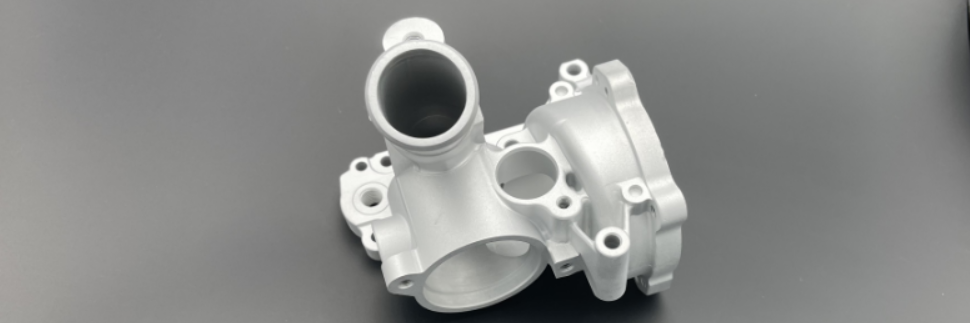
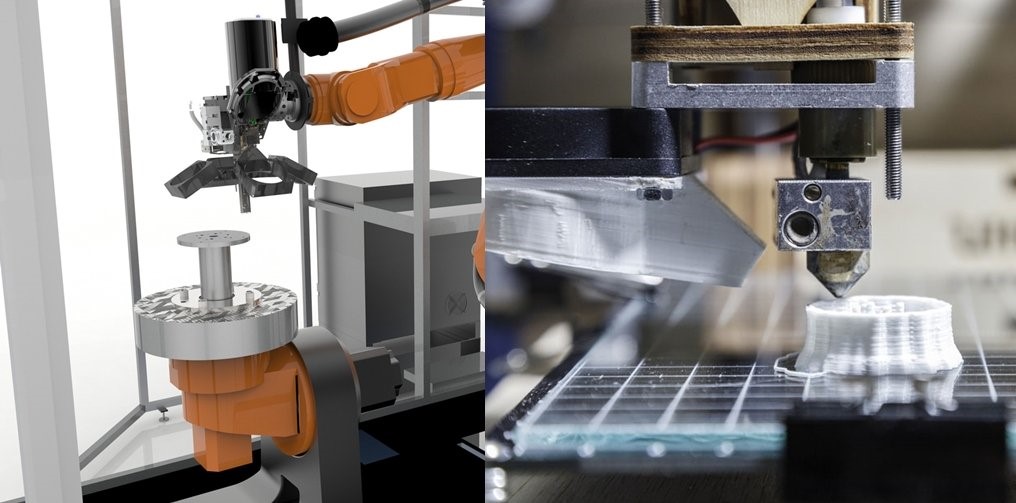
Rapid prototyping refers to the process of creating physical models of a product using digital design data. These prototypes allow engineers to test functionality, size, and usability before moving to full production. Instead of waiting months for traditional manufacturing methods, designers can quickly produce multiple versions and refine them until the final design performs exactly as intended.
Why Medical Device Development Requires Precision
Medical devices directly affect patient care, which means even small design flaws can lead to serious consequences. Every component must be carefully evaluated for safety, performance, and usability. Prototyping allows medical engineers to identify design issues early, test device functionality, and ensure that the final product meets regulatory and clinical standards.
| Material (材料) | Key Properties (关键属性) | Medical Applications (应用场景) |
|---|---|---|
| Stainless Steel 316L | Surgical grade, excellent corrosion resistance. | Surgical instruments, dental tools, orthopedic plates. |
| Titanium (Grade 5) | Biocompatible, high strength-to-weight ratio. | Bone implants, spinal screws, heart valve components. |
| PEEK (Medical Grade) | Radiolucent, autoclave compatible, high strength. | Spinal cages, dental implants, neurological probes. |
| Medical Grade PC/ABS | Durable, rigid, can be transparent or opaque. | Diagnostic equipment housings, fluid manifolds, ventilator parts. |
| Silicone (Medical Grade) | Flexible, biocompatible, skin-contact safe. | Gaskets, tubing, wearable device seals, catheters. |
Why Source Medical Rapid Prototyping Services from China?
In the highly regulated medical industry, speed and precision are non-negotiable. Sourcing rapid prototyping services in China, specifically from high-tech hubs like Dongguan, offers international medical device developers a distinct competitive edge.
At Uidearp, we bridge the gap between complex engineering and clinical readiness. Our facility provides:
-
Certified Material Integrity: We understand that for medical devices, material certification is vital. We provide full material traceability for all medical-grade metals and plastics, ensuring your prototypes meet the rigorous demands of safety testing.
-
Rapid Iteration for Clinical Success: The proximity to the world’s most efficient supply chain allows us to deliver high-fidelity prototypes in days, not weeks. This enables medical startups to perform multiple design iterations within the same R&D budget, significantly reducing time-to-market.
-
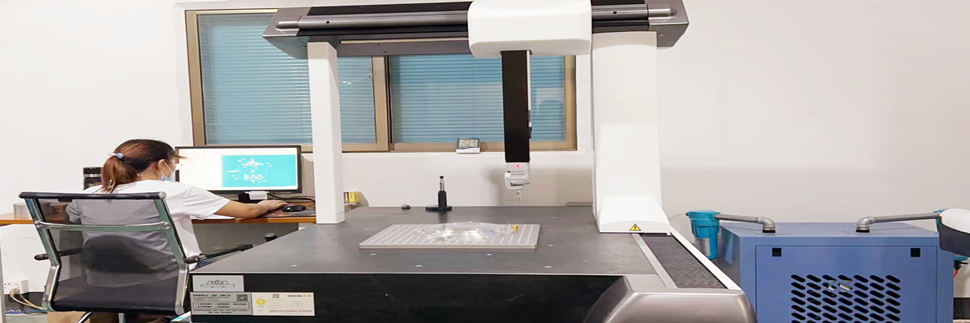
Compliance-Ready Manufacturing: By integrating rapid prototyping services with ISO-compliant quality management systems, we ensure that every prototype—from a simple diagnostic housing to a complex surgical tool—is manufactured with the documentation and precision required for regulatory review.
Key Ways Rapid Prototyping Improves Medical Device Development
Faster Concept Testing
Early prototypes allow engineers to turn design ideas into physical models quickly. Instead of relying only on digital simulations, teams can hold and examine the device. This hands-on testing helps identify design issues early and reduces development delays later.
Better Design Accuracy
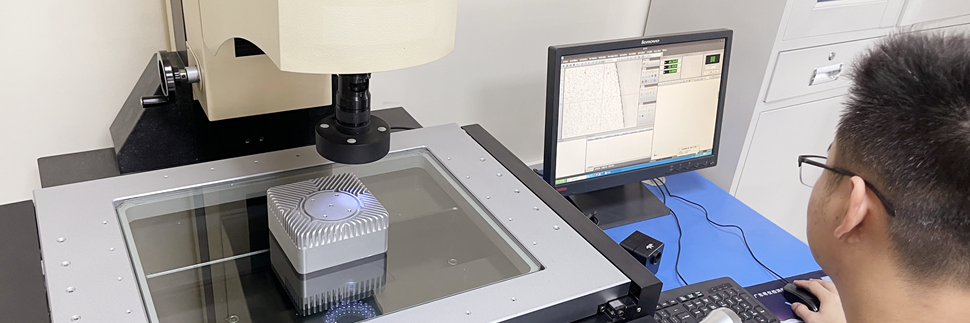
Prototypes help designers check whether dimensions, shapes, and structures work correctly. Engineers can compare the model with real-world requirements and adjust details before moving forward. This careful refinement improves the accuracy of the final device.
Improved Collaboration Among Teams
Medical device development involves designers, engineers, medical professionals, and manufacturers. Physical prototypes allow each group to review the design clearly. Seeing and handling the device makes discussions more productive and helps teams make better design decisions.
Early User Feedback
Doctors and healthcare professionals often test prototypes before final production. Their feedback helps designers understand whether the device is comfortable, easy to use, and suitable for clinical environments. This early input can lead to meaningful improvements.
Reduced Development Costs
Creating prototypes early helps detect design problems before expensive production begins. Correcting a mistake during the design stage is far more affordable than modifying finished products. Prototyping, therefore, reduces overall development costs.
Support for Complex Medical Designs
Many modern medical devices include intricate shapes or specialized components. Rapid prototyping technologies allow engineers to create complex structures that would be difficult to produce using traditional manufacturing methods.
Faster Regulatory Preparation
Before entering any market, medical devices need to meet strict regulatory requirements. Prototypes allow companies to demonstrate functionality, test performance, and document design improvements. This preparation helps companies move through regulatory review with greater confidence.
Safer Product Development
Testing multiple prototypes helps identify safety concerns before a device reaches patients. Engineers can evaluate durability, functionality, and risk factors early in the process. This careful testing helps ensure that final products meet high safety standards.
Technologies That Support Rapid Prototyping
Several technologies are commonly used to produce prototypes for medical devices. These methods help engineers create accurate and detailed models.
3D Printing: Converts digital designs into physical objects layer by layer.
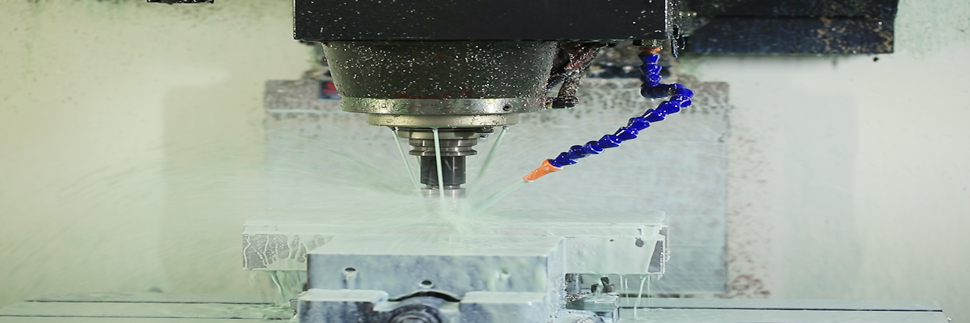
CNC Machining: Cuts materials precisely to create functional components.
Injection Molding Prototypes: Used for testing plastic parts before mass production.
Each technology serves a different purpose depending on the complexity and functionality required for the prototype.
How Prototyping Shapes the Future of Medical Devices
Medical technology continues to evolve rapidly, and devices are becoming smaller, smarter, and more precise. Prototyping plays a central role in supporting this innovation. By allowing engineers to experiment with new ideas and test designs quickly, prototyping encourages creativity while maintaining the high safety standards required in healthcare.
The bottom line
The development of medical devices demands precision, safety, and continuous improvement. From the first design sketch to the final product used in hospitals, every stage requires careful evaluation. Rapid prototyping services help make this process more efficient by allowing engineers to test ideas, refine designs, and gather feedback before full production begins. As medical technology continues to advance, prototyping will remain an essential tool for innovation. Interestingly, similar manufacturing techniques used in prototyping also support industries that rely on tools like automotive mold, showing how design technologies often influence multiple fields.
FAQs
What role do prototypes play in medical device development?
Prototypes allow engineers and healthcare professionals to test device functionality, design accuracy, and usability before production. This helps identify problems early and improves the final product.
How do rapid prototyping methods speed up medical innovation?
Rapid prototyping allows designers to create physical models quickly, test different versions, and refine designs without waiting for traditional manufacturing timelines.
Can doctors contribute to the prototyping process?
Yes. Medical professionals often review and test prototypes. Their feedback helps engineers adjust design features to ensure the device performs well in real clinical environments.
Are prototypes used for regulatory testing?
Yes. Prototypes are often used during safety evaluations, functional testing, and documentation stages that support regulatory approvals before medical devices enter the market.
What materials are used to create medical device prototypes?
Prototypes may use plastics, resins, or metal materials depending on the device type. Engineers select materials that closely represent the properties of the final product.