



In today’s fast-moving innovation cycle, rapid prototyping services are no longer just a helpful tool. They are shaping how ideas evolve, adapt, and reach the market. Businesses are no longer willing to wait months to validate a concept. They want speed, precision, and flexibility. This guide explores how rapid prototyping is evolving and what the future holds. Stay with me, because by the end, you’ll see why this shift is redefining product development at every level.

What Are Rapid Prototyping Services?
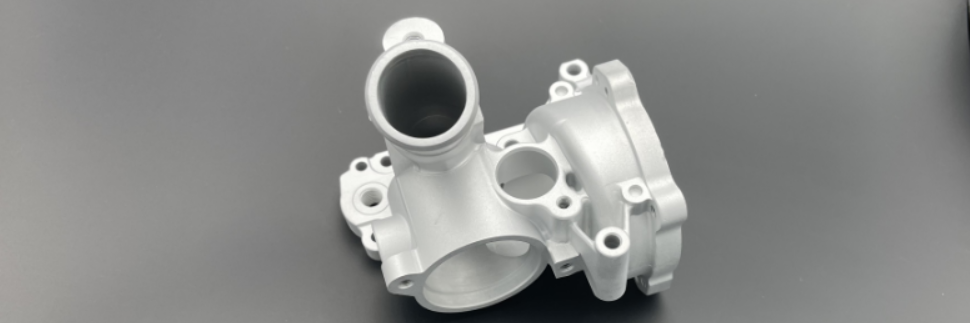
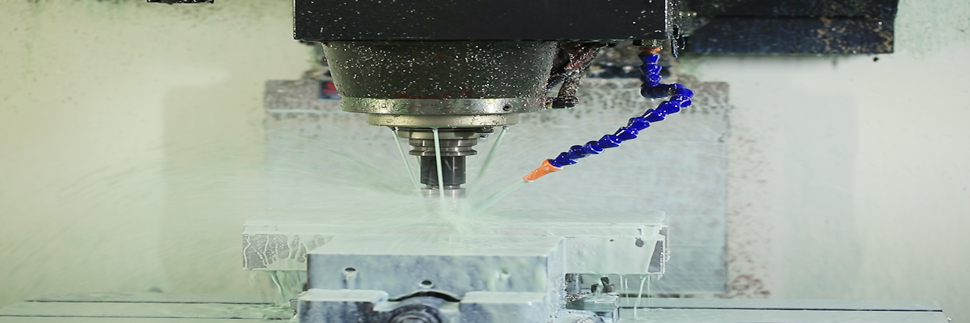
Rapid prototyping services refer to the process of quickly creating physical or digital models of a product using advanced technologies like 3D printing, CNC machining, or additive manufacturing. These prototypes help designers test functionality, refine design, and identify flaws before moving to full-scale production.
Choosing the Right Rapid Prototyping Service for Your Project
| Technology (技术名称) | Core Advantages (核心优势) | Best For (适用场景) | Precision (精度) |
|---|---|---|---|
| CNC Machining | Material versatility, high strength, dimensional stability (材质选择广、强度高) | Functional testing, metal components (功能测试、金属部件) | Excellent (极高) |
| 3D Printing | Complex geometries, fast turnaround (复杂形状、交期快) | Concept validation, intricate designs (概念验证、复杂结构) | High (高) |
| Vacuum Casting | Small batch production, low cost (小批量、低成本) | Market testing, multiple colors (市场测试、多色方案) | Good (良好) |
| Rapid Tooling | Bridge to mass production (桥接量产) | Functional verification, 1k+ units (功能验证、1000+产量) | Production Grade (生产级) |
Why Rapid Prototyping Is No Longer Optional
Speed Is Becoming the New Currency
Product development timelines are shrinking as competition intensifies. Rapid prototyping allows businesses to move from concept to testing within days instead of months. This speed enables faster decision-making and reduces the risk of launching products that fail to meet market expectations.
Early Testing Saves Real Costs
Mistakes discovered during mass production can be expensive. Prototyping allows teams to test designs early and fix issues before scaling. This proactive approach minimizes material waste, reduces redesign costs, and ensures smoother production workflows.
The Technologies Driving the Future
3D Printing Is Getting Smarter
3D printing technology is evolving beyond basic plastic models. Today, it supports complex geometries and multiple materials. Future advancements will allow faster printing speeds and improved surface finishes, making prototypes closer to final products than ever before.
AI Is Enhancing Design Precision
Artificial intelligence is entering the prototyping space by optimizing designs automatically. AI can suggest structural improvements, reduce material usage, and predict performance outcomes. This reduces trial and error and helps designers achieve better results in fewer iterations.
Advanced Materials Are Changing Possibilities
New materials are making prototypes stronger, lighter, and more functional. From flexible polymers to metal composites, these materials allow prototypes to mimic real-world performance. This ensures more accurate testing and better product validation before manufacturing begins.
How Rapid Prototyping Is Transforming Product Development
Faster Iteration Cycles
Traditional product development involved long waiting periods between design changes. Rapid prototyping allows teams to create, test, and refine multiple versions quickly. This iterative process encourages experimentation and leads to more innovative and refined products.
Better Collaboration Across Teams
Prototypes provide a tangible reference that improves communication between designers, engineers, and stakeholders. Instead of relying on abstract concepts, teams can interact with physical models, leading to clearer feedback and more aligned decision-making.
Improved Customer-Centric Design
Companies can involve customers earlier in the development process by sharing prototypes for feedback. This helps ensure the final product meets user expectations and reduces the chances of market rejection after launch.
Emerging Trends You Should Watch
Digital Prototyping Integration
Digital twins and virtual simulations are becoming more common. These tools allow teams to test designs in virtual environments before creating physical models. This combination of digital and physical prototyping increases efficiency and reduces development time.
On-Demand Manufacturing
Prototyping is merging with small-scale production. Businesses can now produce limited product batches using the same technologies used for prototypes. This flexibility allows companies to test products in the market before committing to large-scale manufacturing.
Sustainability in Prototyping
Sustainability is becoming a key focus. New materials and processes aim to reduce waste and energy consumption. Rapid prototyping supports this shift by enabling precise material usage and reducing unnecessary production cycles.
Challenges That Still Exist
Balancing Speed with Accuracy
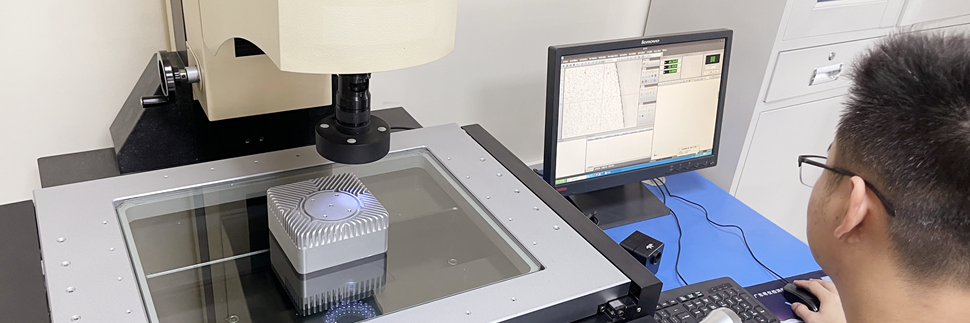
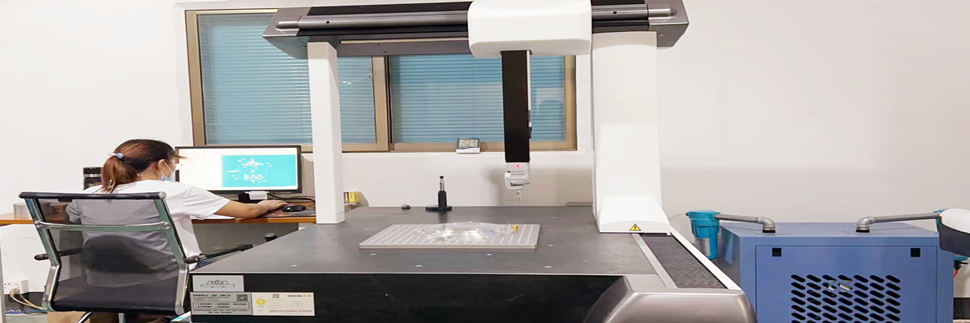
While rapid prototyping offers speed, maintaining accuracy is essential. Some prototypes may not fully replicate the final product’s performance. Businesses must carefully choose the right technology and materials to ensure reliable results.
Cost of Advanced Technologies
High-end prototyping technologies can be expensive. Smaller businesses may find it challenging to invest in advanced equipment. However, outsourcing prototyping services is becoming a practical solution to access these technologies without high upfront costs.
The Role of Rapid Prototyping in Industry-Specific Innovation
Healthcare Advancements
In healthcare, rapid prototyping is enabling the creation of customized medical devices and implants. This improves patient outcomes and allows for more personalized treatment solutions.
Automotive Evolution
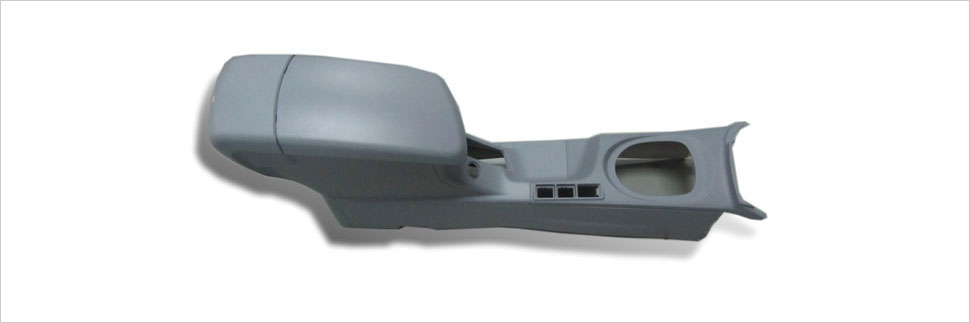
The automotive industry relies heavily on prototyping for testing components and designs. It accelerates innovation and ensures safety standards are met before vehicles reach production stages.
Consumer Electronics Growth
For electronics, where design and functionality evolve quickly, prototyping ensures products remain competitive. It allows companies to experiment with new features and refine user experiences efficiently.
How Businesses Can Prepare for the Future
Invest in the Right Partnerships
Working with experienced prototyping service providers ensures access to advanced technologies and expertise. This helps businesses stay competitive without the need for heavy investments in equipment.
Focus on Design Thinking
A strong design approach combined with rapid prototyping leads to better outcomes. Businesses should encourage creative problem-solving and continuous iteration throughout the development process.
Stay Updated with Technology Trends
The prototyping landscape is evolving rapidly. Keeping up with new tools, materials, and techniques ensures businesses can leverage the latest advancements to improve their products.
Looking Ahead: Where Innovation Meets Execution
The future of product development is being shaped by speed, adaptability, and precision. Rapid prototyping services are at the center of this transformation, enabling businesses to innovate without hesitation and refine ideas with confidence. As technologies evolve and materials improve, the gap between concept and reality will continue to shrink. Industries like automotive manufacturing will particularly benefit, especially in areas such as automotive injection mold, where precision and efficiency are critical. The real advantage lies in embracing these changes early and using them to build smarter, more responsive products.
Frequently Asked Questions
What are rapid prototyping services used for?
They are commonly used to create initial models of products for the purpose of:
● Testing
● Design
● Validation
● Improvement
It is highly beneficial before mass production as it helps reduce risks and development time.
How do rapid prototyping services improve the process of product development?
They help with faster iterations, early testing, and better collaboration, which ensures products are refined and market-ready before full-scale production starts.
What makes rapid prototyping suitable for small businesses?
With rapid prototyping, small businesses can benefit by outsourcing prototyping services, allowing them to access advanced technologies without significant investment in equipment or infrastructure.
What industries benefit the most from rapid prototyping?
Industries like healthcare, automotive, and electronics benefit greatly due to their need for precision, innovation, and fast product development cycles.
What is the future of rapid prototyping?
The future includes integration with AI, advanced materials, and digital simulations, making prototyping faster, more accurate, and more accessible across industries.