



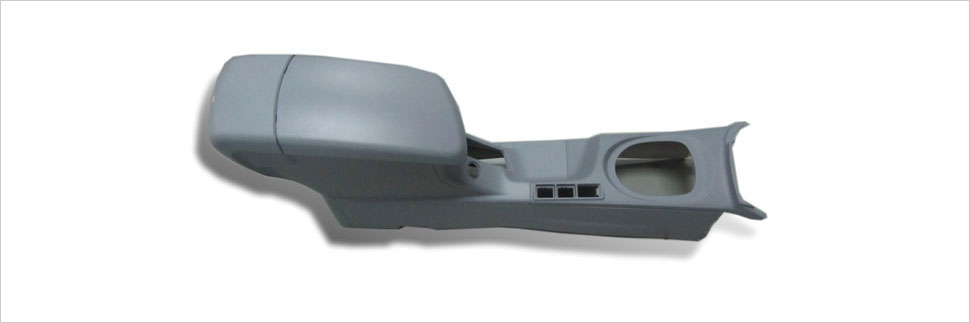
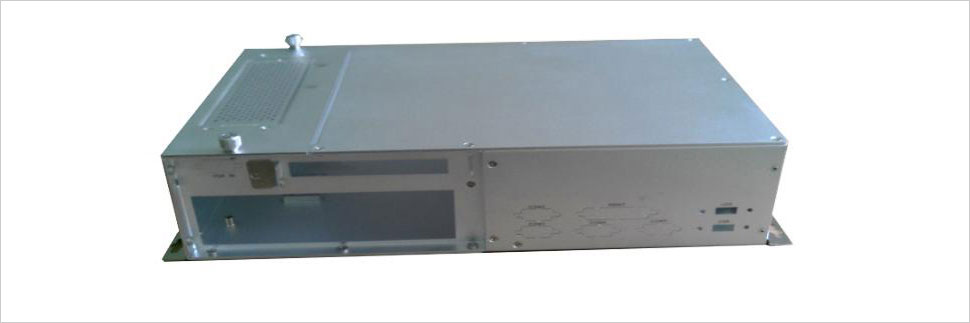
Quick answer: A CNC prototype is a smart choice for product designers because it turns CAD designs into accurate, functional parts made from real engineering materials. It helps teams test fit, strength, assembly, surface finish and usability before committing to tooling or full-scale manufacturing.
Designing a successful product requires more than a great idea. Product designers need a reliable way to test concepts, improve functionality and create accurate models before moving into full-scale manufacturing. A CNC prototype provides the precision and flexibility needed to turn digital designs into real, functional parts quickly and efficiently.
From automotive components to consumer products and industrial equipment, CNC machining helps designers validate ideas with high-quality prototypes that closely represent the final product.

What Is a CNC Prototype?
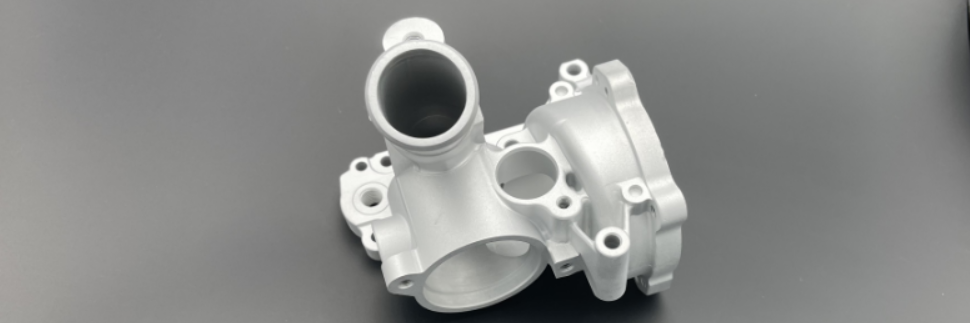
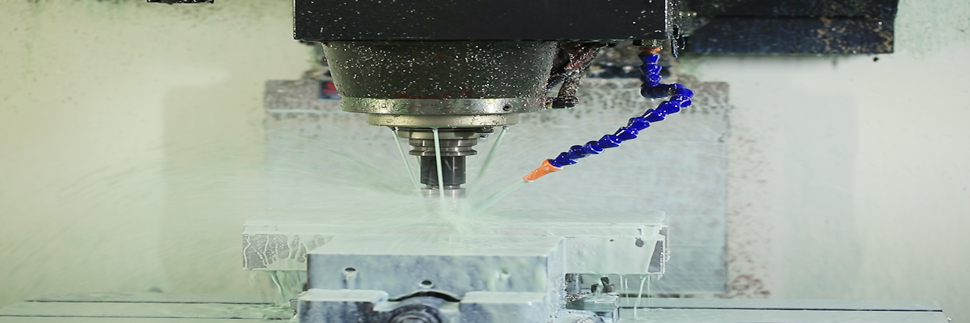
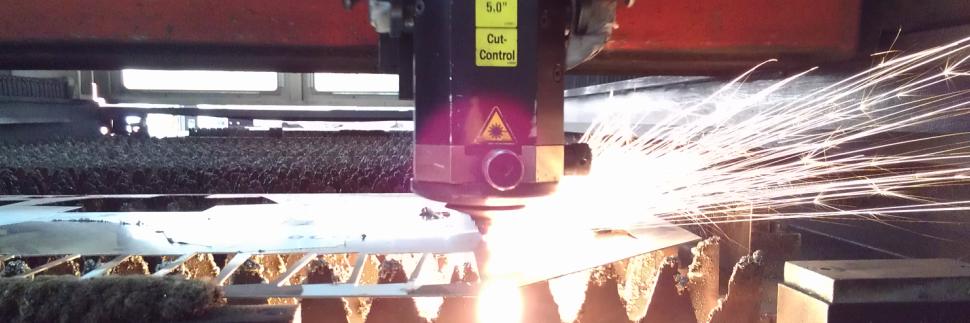
A CNC prototype is a physical model created using Computer Numerical Control machining technology. The process uses computer-controlled tools to cut, shape and finish materials such as aluminum, plastics, steel and other engineering-grade materials.
Unlike basic mockups, CNC prototypes allow designers to test real-world performance, including:
- Mechanical strength
- Fit and assembly
- Surface finish
- Functionality
- Material behavior
This makes CNC prototyping a valuable step between product design and mass production.
Why CNC Prototype Is a Smart Choice for Product Designers
Product designers often face challenges such as identifying design flaws, reducing development time and ensuring manufacturing accuracy. CNC machining addresses these concerns by offering a practical and precise solution.
High Precision for Accurate Product Testing
One of the biggest advantages of CNC prototyping is accuracy. CNC machines follow programmed designs with strong consistency, allowing prototypes to match CAD models closely.
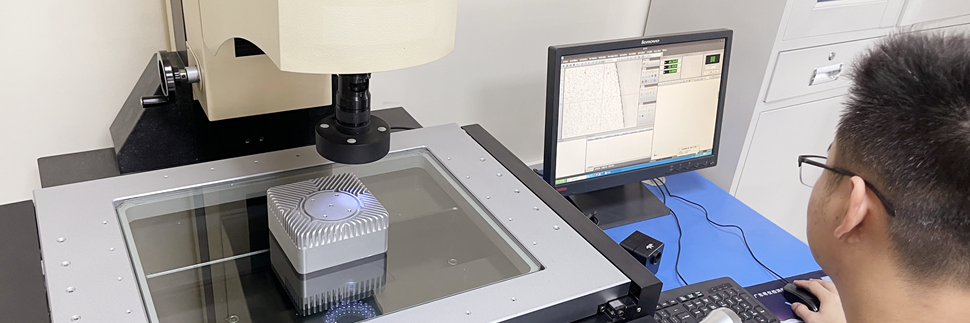
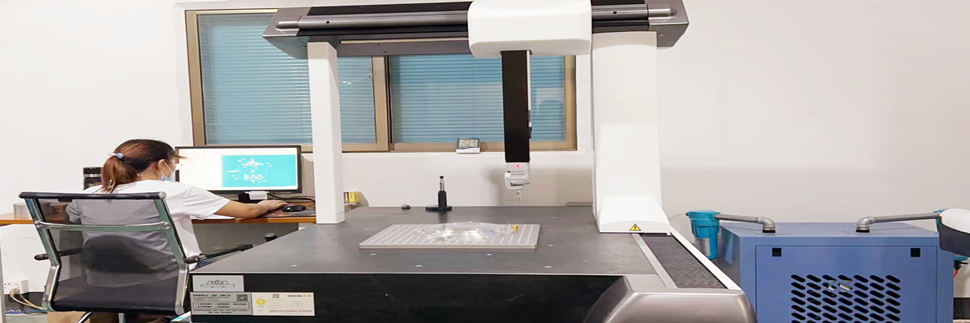
This precision helps designers detect issues early, such as incorrect dimensions or assembly problems, before expensive production begins.
Faster Product Development Cycles
Speed is essential in competitive industries. A CNC prototype allows teams to move from concept to physical testing much faster than many traditional manufacturing methods.
- Create multiple prototype versions
- Test improvements quickly
- Make design changes efficiently
- Reduce delays before production
This faster workflow helps companies bring innovative products to market sooner.
CNC Prototype vs Other Prototyping Methods
Many designers compare CNC machining with alternatives such as 3D printing in China. While 3D printing is useful for certain applications, CNC prototypes often provide better results when strength, durability and material accuracy are priorities.
- Production-grade materials
- Better surface finishes
- Stronger functional parts
- Greater dimensional accuracy
For products that require real performance testing, CNC machining is often the preferred choice.
Practical Applications of CNC Prototyping
A CNC prototype is widely used across different industries where designers need practical feedback before production.
Automotive Design
Engineers use CNC prototypes to test vehicle components, housings and mechanical parts before final manufacturing.
Medical Equipment
Precision prototypes help manufacturers evaluate device designs while maintaining strict quality requirements.
Consumer Products
Designers can test product shapes, ergonomics and usability before launching new items.
How to Choose the Right CNC Prototype Service
Before selecting a machining partner, designers should consider material options, machining accuracy, production experience, quality control processes and the ability to handle custom designs.
A reliable CNC machining provider helps ensure prototypes meet both design expectations and functional requirements.
Related CNC Prototype Resources
For more guidance, review UIDEA's CNC machining service and the article Why CNC Machining Services Are the Smart Choice for Custom Parts Manufacturing.
Final Takeaway
A CNC prototype gives product designers the confidence to test, improve and perfect their creations before production. With high accuracy, fast development cycles and real material performance, CNC machining remains one of the most effective prototyping solutions available.
For designers looking to transform ideas into reliable products, investing in quality CNC prototyping can make the difference between a concept and a market-ready solution.
Frequently Asked Questions
How accurate is a CNC prototype?
A CNC prototype can achieve high dimensional accuracy because CNC machines follow computer-generated toolpaths. Final accuracy depends on machine capability, material, part geometry and inspection requirements.
Is CNC prototyping better than 3D printing?
CNC prototyping is often better for strong functional parts made from real engineering materials. 3D printing is useful for fast visual models and complex shapes, while CNC is preferred when material performance and tight tolerances matter.
What materials can be used for CNC prototypes?
CNC prototypes can be made from aluminum, stainless steel, brass, ABS, acrylic, nylon and other engineering plastics or metals depending on the product requirements.
How long does CNC prototype production take?
Lead time depends on design complexity, material, finishing requirements and quantity. Many CNC prototypes can be completed within days when CAD files and specifications are ready.
Why do designers create prototypes before manufacturing?
Prototypes allow designers to test ideas, identify problems, improve usability and reduce costly mistakes before investing in production tooling or larger manufacturing runs.