



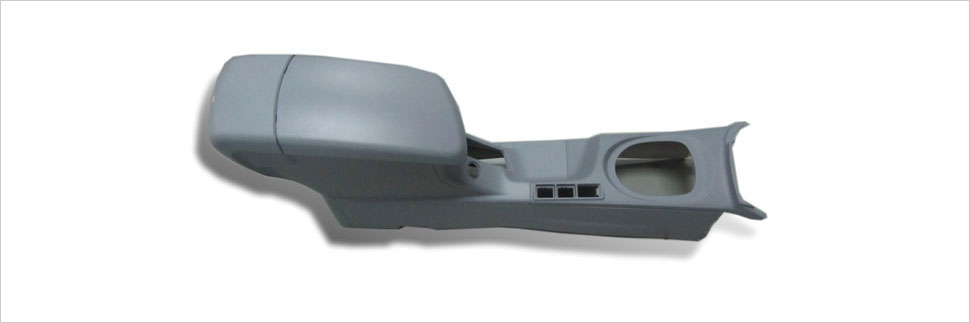
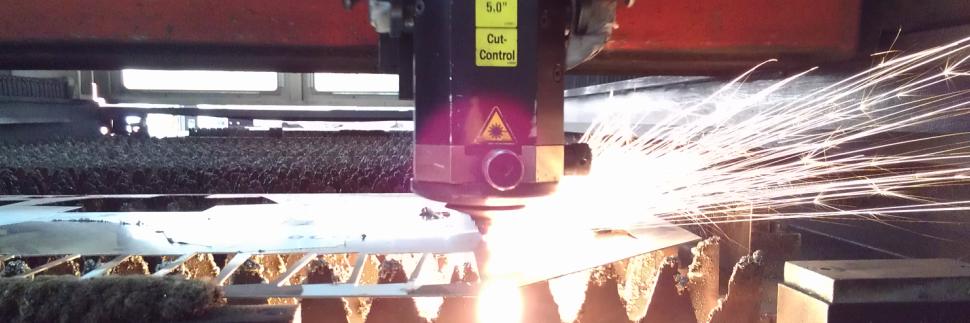
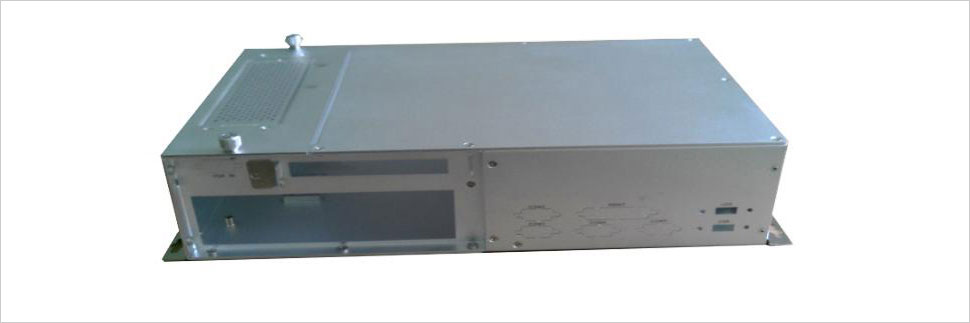
Quick answer: Plastic extrusion prototyping helps engineers test custom profiles before production tooling is finalized. It gives teams physical samples for checking dimensions, assembly fit, material behavior, surface quality and functional performance, reducing risk before larger manufacturing investment.
Creating a custom plastic profile involves much more than drawing a shape on a screen. Every profile must perform consistently under practical conditions while meeting dimensional, functional and material requirements. This is where plastic extrusion prototyping becomes essential.
Before investing in production tooling and larger manufacturing runs, businesses use prototypes to verify whether a design functions as intended. This early validation stage reduces uncertainty and gives teams a practical opportunity to refine the product before significant resources are committed.
For companies using rapid prototyping in China, this approach can accelerate product development while keeping confidence high before a design moves into production.

Why Custom Profiles Need Thorough Testing
Custom extruded profiles often serve highly specific purposes. They may need to fit within precise assemblies, withstand environmental exposure, provide flexibility or maintain structural integrity under stress.
A digital design cannot always predict how materials will behave during extrusion. Factors such as wall thickness, cooling rates, dimensional stability and material flow can influence the final part.
Prototyping allows manufacturers to evaluate these variables in a controlled way. Instead of relying only on assumptions, teams can work with physical samples and gather measurable performance data.
Identifying Design Challenges Early
One of the greatest advantages of prototyping is the ability to uncover potential issues before production begins. A profile that appears perfect in CAD software may reveal unexpected concerns once manufactured.
Testing a prototype helps teams identify:
- Dimensional inconsistencies
- Assembly fit concerns
- Material performance limitations
- Surface finish requirements
- Structural weaknesses
Addressing these issues during development is significantly more cost effective than making corrections after production tooling has been completed.
Supporting Better Material Selection
Material choice can greatly influence the success of a custom profile. Different polymers offer varying levels of flexibility, strength, temperature resistance and durability.
Through prototyping, manufacturers can compare material options under realistic conditions. This hands-on evaluation provides confidence that the selected material aligns with performance goals and customer expectations.
For organizations using China rapid prototyping services, access to multiple material options allows faster experimentation without extending development timelines.
Improving Communication Across Teams
Prototypes serve as a shared reference point for engineers, designers, manufacturers and customers. Rather than discussing concepts theoretically, stakeholders can review an actual sample and provide informed feedback.
This collaborative process often leads to better design decisions and fewer misunderstandings throughout development. Physical prototypes also help customers visualize the final product, making approvals faster and more accurate.
Building Confidence Before Production
Launching a custom profile without testing introduces unnecessary risk. Prototyping provides evidence that a design can be manufactured consistently while meeting functional requirements.
This confidence becomes especially valuable when products are intended for demanding applications where reliability is essential. By validating performance early, businesses can move into production with greater certainty and fewer unexpected obstacles.
Related Extrusion Prototyping Resources
For more detail on profile samples, material options and prototype development, review UIDEA's extrusion prototyping service and prototype quality control process.
The Bottom Line
Successful custom profiles are rarely the result of guesswork. They emerge from careful evaluation, testing and refinement. Plastic extrusion prototyping bridges the gap between design intent and manufacturing reality, helping teams identify improvements before production begins.
As product requirements continue to grow more specialized, prototyping remains one of the most practical tools for developing custom profiles that perform exactly as expected.
Frequently Asked Questions
What is plastic extrusion prototyping used for?
Plastic extrusion prototyping is used to create sample profiles before full production. It helps manufacturers evaluate dimensions, material behavior, fit and function before investing in permanent tooling and larger production runs.
How does prototyping reduce manufacturing costs?
Prototyping identifies design flaws, tolerance issues and material concerns early in development. Fixing these details before production can reduce tooling changes, material waste, delays and redesign expenses.
Why is prototyping important for custom plastic profiles?
Custom profiles often have unique geometry, fit and performance requirements. A physical prototype helps confirm whether the profile works in the intended assembly and performs reliably under practical conditions.
Can different materials be tested during plastic extrusion prototyping?
Yes. Prototype samples can be made or evaluated in different plastic materials so teams can compare strength, flexibility, durability, surface quality and environmental resistance before choosing a production material.
How does China rapid prototyping support extrusion profile development?
China rapid prototyping gives engineering teams access to sample manufacturing, material comparison and design validation. This can shorten development cycles and help teams make better decisions before full-scale production.