



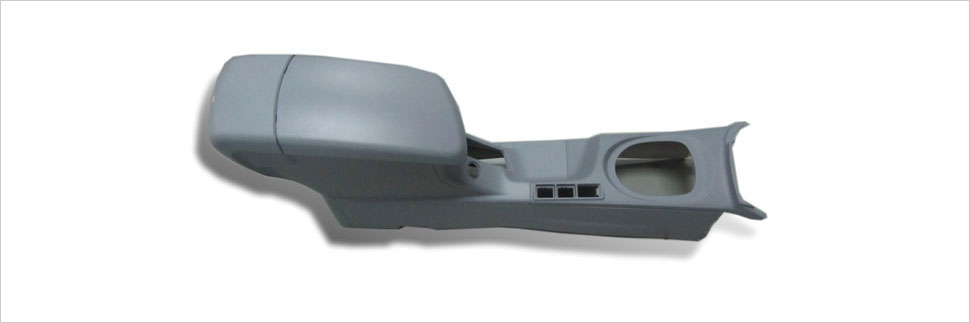
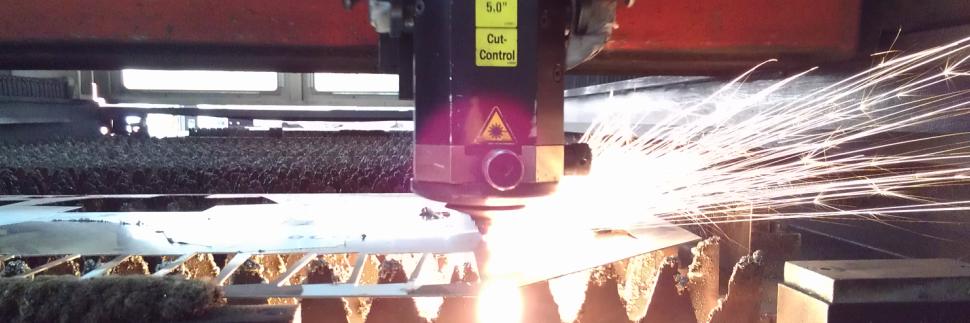
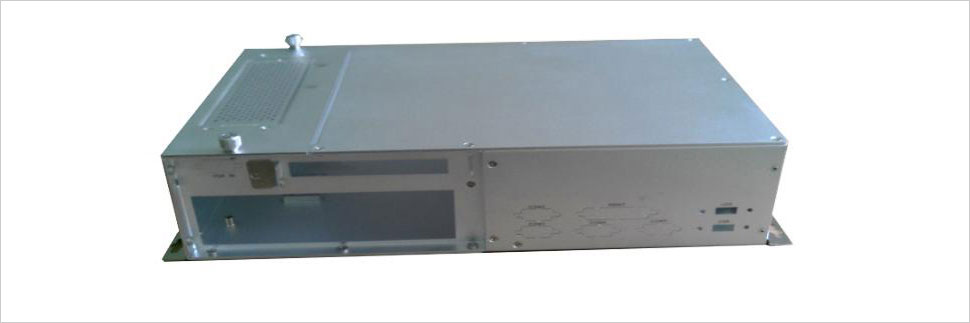
A brilliant product idea can lose its value if development takes too long. That is why many emerging companies now rely on Rapid Prototyping China services to shorten product creation cycles and bring concepts into the real world without unnecessary delays. For startups operating in highly competitive industries, the ability to test, refine, and improve a design quickly often determines whether a product succeeds or disappears quietly.
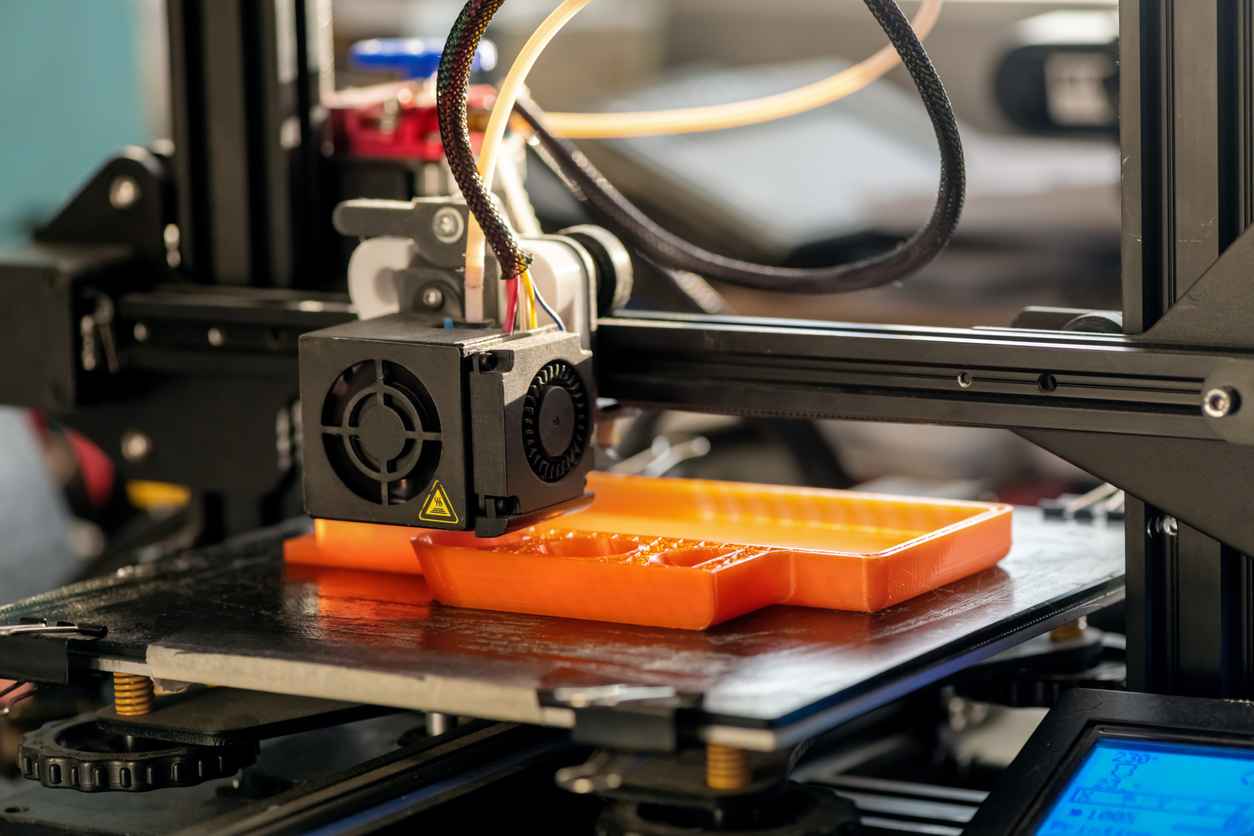
Turning Ideas Into Tangible Products Faster
Startups rarely have the luxury of unlimited budgets or endless development time. Investors expect progress, customers expect innovation, and competitors move quickly. Rapid prototyping gives young businesses a practical way to convert sketches and digital models into physical samples within days rather than months.
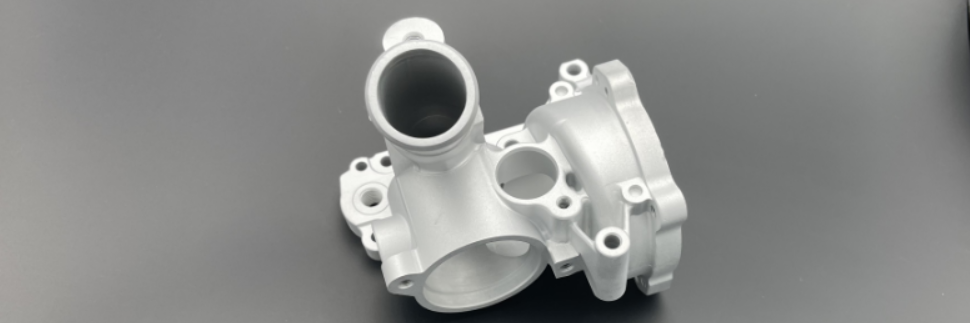
This process allows founders and design teams to examine the structure, appearance, and functionality of a product before entering expensive manufacturing stages. Instead of relying entirely on computer renderings, businesses can physically interact with a prototype and identify flaws early.
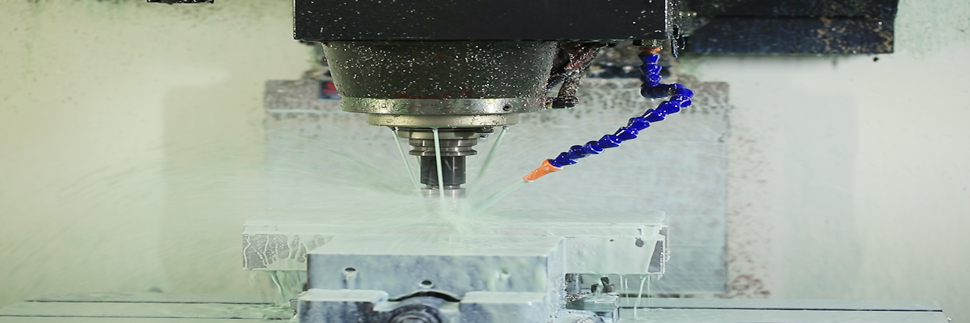
Many startups choose manufacturing partners in China because of the combination of technical capability, advanced equipment, and cost efficiency. Rapid Prototyping China providers often support everything from concept modeling to functional testing under one roof, making communication and revisions easier for growing businesses.
Why Speed Matters in Startup Innovation?
Innovation is not only about creativity. Timing plays an equally important role. A startup that launches a refined product ahead of competitors gains stronger market attention and better customer engagement.
Rapid prototyping shortens the gap between concept and validation. Teams can gather real feedback from investors, engineers, and target users much earlier in the process. This early insight reduces the risk of building products nobody truly wants.
It also creates room for experimentation. Instead of fearing mistakes, startups can test several design variations at manageable costs. That freedom encourages smarter decisions and stronger final products.
Better Collaboration Across Teams
One overlooked advantage of rapid prototyping is communication clarity. Designers, developers, and manufacturers often interpret digital plans differently. A physical prototype removes confusion and creates a shared understanding of the product.
When stakeholders can hold and evaluate a model directly, discussions become more productive. Adjustments are easier to explain, and technical issues surface before production begins.
This collaborative environment is especially valuable for startups where small teams handle multiple responsibilities at once.
Cost Control Without Sacrificing Quality
Many founders assume faster development automatically increases expenses. In reality, rapid prototyping often reduces overall costs by preventing major production mistakes.
Finding design issues during mass manufacturing can become financially damaging. A prototype acts as a safety checkpoint that helps businesses refine dimensions, materials, and usability before committing to large production volumes.
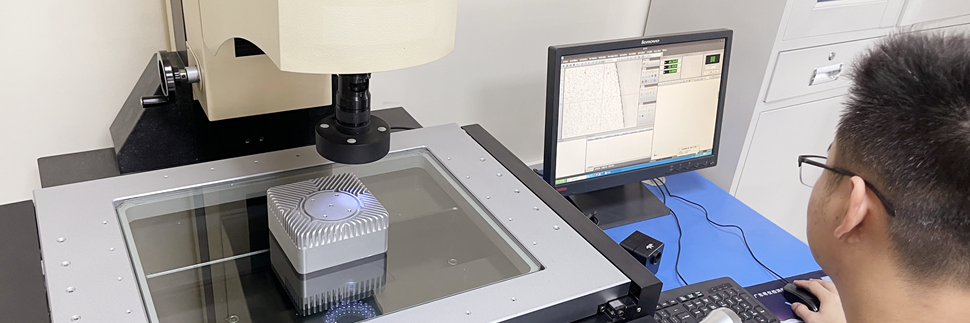
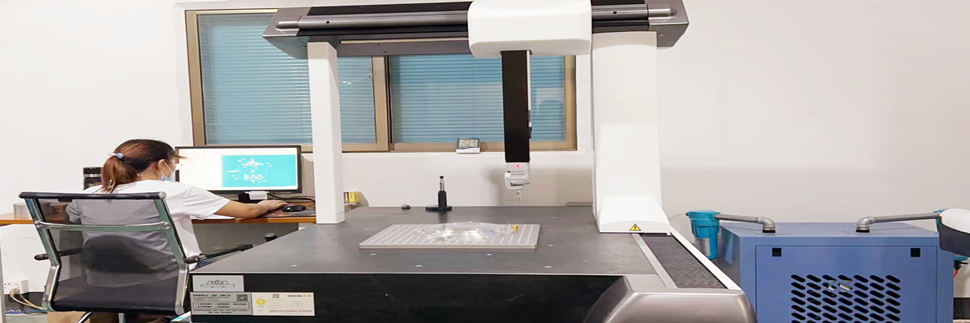
Modern rapid prototyping technologies also support high precision, allowing startups to create professional-grade product samples that closely resemble final production units.
The Road Ahead for Startup Manufacturing
As startup ecosystems continue to grow worldwide, rapid prototyping has become more than a design tool. It now serves as a practical business strategy that supports faster learning, sharper product development, and more confident decision-making.
Companies that embrace rapid prototyping gain the flexibility to adapt quickly while maintaining product quality and customer focus. In industries where innovation moves rapidly, that flexibility can become a significant advantage.
Many manufacturers offering Rapid Prototyping China services also support specialized production solutions such as Automotive Injection Mold development for advanced industrial applications.
Frequently Asked Questions
1. Why is rapid prototyping important for startups?
Rapid prototyping allows startups to test product ideas quickly before investing heavily in manufacturing. It helps identify design flaws early, improves decision-making, reduces financial risk, and accelerates the overall product development timeline for growing businesses.
2. How does rapid prototyping improve product quality?
Physical prototypes reveal structural, functional, and usability issues that digital designs may overlook. Early testing allows teams to refine materials, dimensions, and performance, resulting in a more reliable and market-ready final product with fewer production complications.
3. Why do startups prefer rapid prototyping services in China?
China offers advanced manufacturing infrastructure, experienced engineering teams, competitive pricing, and faster production turnaround times. Many startups choose Rapid Prototyping China providers because they can handle design, testing, and production support within one integrated system.
4. Can rapid prototyping reduce manufacturing expenses?
Yes. Detecting design problems before mass production prevents expensive revisions later. Startups save money by refining products during the prototype stage instead of correcting defects after manufacturing large quantities of finished units.
5. Which industries benefit most from rapid prototyping?
Rapid prototyping supports industries including automotive, healthcare, electronics, aerospace, consumer goods, and industrial equipment. Any sector requiring product testing, design refinement, or accelerated innovation can benefit significantly from prototype-based development processes.